
Treatment Overview
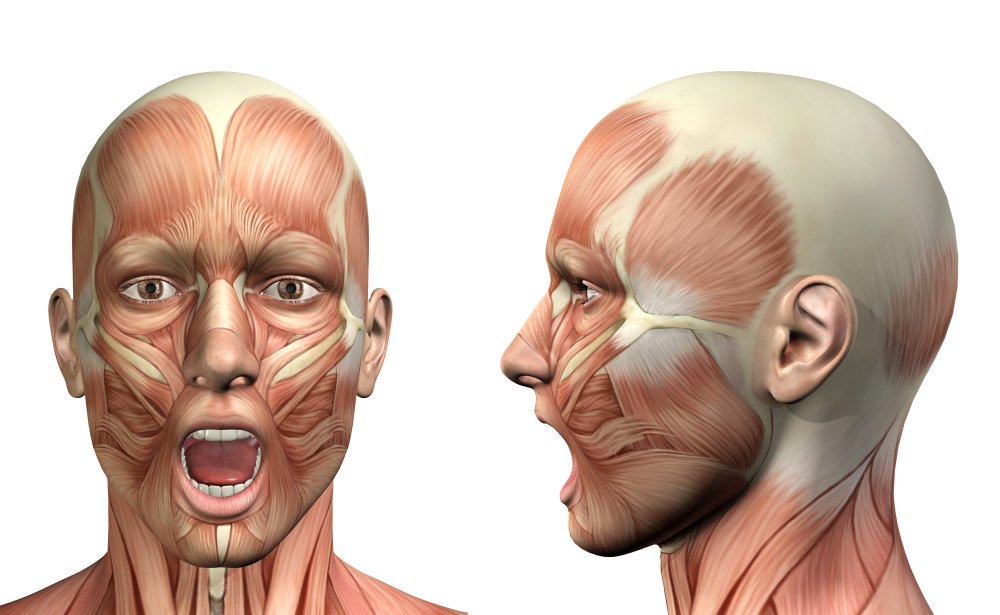
Temporalis Muscle Reduction is a cosmetic procedure that reduces the size or prominence of the temporalis muscles on the sides of the head, often to create a slimmer, more oval facial shape. This treatment is particularly popular among individuals with a wide upper face or a square facial appearance caused by hypertrophy (overdevelopment) of the temporalis muscles.
In Korea, the procedure is highly sought after for achieving balanced and harmonious facial contours, using advanced techniques tailored to Asian facial anatomy.
Purpose & Benefits
- Slims the upper face and temples
- Reduces the appearance of a square or overly broad face
- Enhances overall facial symmetry and proportion
- Complements jawline and midface contouring procedures
- Minimally invasive options available with quick recovery
- Boosts confidence with subtle yet effective facial slimming
Ideal Candidates
- Individuals with prominent or enlarged temporalis muscles
- Adults seeking upper facial slimming and a softer appearance
- Patients with good overall health and realistic expectations
- Those aiming to achieve a more oval or V-line facial shape
- Candidates suitable for surgical or minimally invasive techniques
Possible Risks & Complications
- Temporary swelling, bruising, or discomfort
- Mild asymmetry in muscle reduction (usually correctable)
- Numbness or tingling around the temple area
- Infection or bleeding (rare with proper care)
- Temporary weakness in chewing muscles in rare cases
Techniques Used
- Surgical Muscle Resection – Direct reduction of hypertrophic temporalis muscle
- Botox Injections – Non-surgical approach to reduce muscle activity and size over time
- Ultrasound or Radiofrequency-Assisted Techniques – Minimally invasive muscle reduction with controlled precision
- Korean Expertise – Surgeons and aesthetic specialists focus on natural, proportional results, avoiding a hollow or unnatural appearance
Recovery & Aftercare
- Mild swelling and tenderness for 3–7 days post-procedure
- Avoid excessive chewing or strenuous activity for 1–2 weeks
- Follow-up appointments to monitor symmetry and healing
- Ice packs and pain management may be recommended
- Botox results may take a few weeks to appear fully and require periodic maintenance
Results & Longevity
- Slimmer and more defined upper face
- Natural-looking, balanced facial contours
- Permanent results with surgical reduction
- Gradual reduction over time with Botox treatment, typically requiring maintenance every 4–6 months
- Enhanced facial harmony when combined with jawline, midface, or submalar contouring
Treatment Process in Korea
Korea is a leading destination for Temporalis Muscle Reduction due to advanced techniques, high precision, and a deep understanding of Asian facial anatomy.
Step-by-Step Process:
- Consultation & Assessment – Evaluate temporalis muscle prominence and overall facial balance.
- Treatment Planning – Decide between surgical, non-surgical, or combination approaches.
- Procedure – Surgical reduction or Botox/energy-assisted treatment performed under local or general anesthesia.
- Immediate Care – Manage swelling, bruising, and patient comfort.
- Follow-Up – Ensure symmetry, monitor results, and schedule maintenance if Botox is used.
Why Korea is a Top Destination:
- Surgeons specialized in facial slimming procedures for Asian facial structures
- Advanced minimally invasive techniques for natural results
- Integration with other facial contouring procedures for full facial harmony
- High safety standards, hygiene, and expert post-procedure care
- Competitive pricing with high-quality outcomes
Cost Range in Korea
The Temporalis Muscle Reduction procedure typically costs ₩1,500,000 – ₩6,000,000 KRW (approx. $1,100 – $4,400 USD) depending on:
- Method used (surgical vs. Botox or energy-assisted)
- Clinic reputation and surgeon experience
- Extent of muscle reduction and combination with other procedures
- Follow-up care and maintenance requirements
Global Price Comparison:
- USA & Europe: $2,000 – $7,000
- Japan: $1,800 – $5,500
- Korea: $1,100 – $4,400 (often includes follow-up and post-op care)
Popular Clinics in Korea
- Banobagi Plastic Surgery – Experienced in both surgical and non-surgical facial slimming
- ID Hospital – Advanced minimally invasive and Botox-assisted muscle reduction
- View Plastic Surgery Clinic – Tailored upper facial contouring for natural results
- Regen Plastic Surgery – Specializes in proportional facial shaping and refinement
- JW Plastic Surgery – Custom plans for temporalis reduction in combination with jawline or midface contouring


