
Treatment Overview
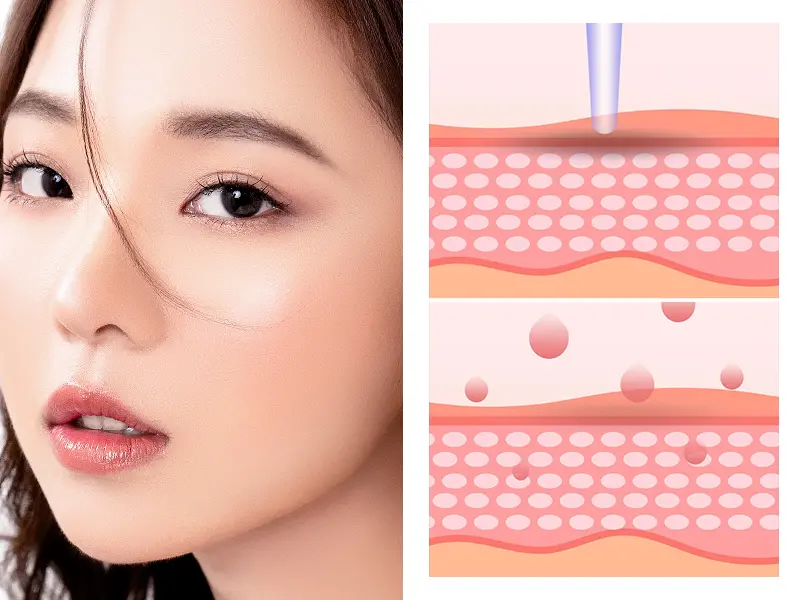
Buccal Fat Removal, also known as Bichectomy, is a cosmetic procedure designed to slim the cheeks by removing excess fat pads located in the lower part of the cheeks (buccal fat pads). This surgery helps create a more sculpted, contoured facial appearance, enhancing the definition of the cheekbones and jawline.
In Korea, the procedure is performed using advanced minimally invasive techniques, ensuring precise fat removal while maintaining natural facial balance. Korean surgeons often combine this procedure with other facial contouring methods for optimal harmony and aesthetic results.
Purpose & Benefits
- Reduces “chubby cheeks” for a slimmer face
- Enhances cheekbone definition and jawline contour
- Improves overall facial balance and proportion
- Provides long-lasting, natural-looking results
- Minimally invasive with minimal scarring
- Can be combined with other procedures like jawline contouring, chin augmentation, or cheek implants for a full facial transformation
Ideal Candidates
- Individuals with prominent lower cheek fat or “full cheeks”
- Patients seeking a slimmer, more contoured facial appearance
- Adults in good health with realistic expectations
- Those looking for a minimally invasive and permanent facial enhancement
- People desiring a subtle but noticeable change in midface definition
Possible Risks & Complications
- Temporary swelling, bruising, or discomfort
- Minor asymmetry between cheeks
- Rare risk of infection or hematoma
- Over-resection can lead to a hollow or gaunt appearance
- Temporary numbness in the cheek area
Surgical Techniques Used
- Intraoral Incision Approach – Small incision inside the mouth to avoid visible scarring
- Precise Buccal Fat Removal – Targeted removal for natural, symmetrical results
- Advanced Korean Techniques – Emphasis on subtle, balanced contouring and long-lasting aesthetics
- Combination Procedures – Often paired with jawline or chin contouring for harmonious results
Recovery & Aftercare
- Swelling and bruising peak within 2–4 days and gradually improve over 1–2 weeks
- Soft diet recommended for the first few days to avoid trauma to the incision
- Cold compresses can reduce swelling in the initial 48 hours
- Avoid strenuous activity and facial massages for at least a week
- Follow-up visits to monitor healing and symmetry
Results & Longevity
- Immediate improvement in cheek definition and facial contour
- Final results visible after swelling subsides (2–4 weeks)
- Permanent results with long-lasting midface enhancement
- Can be combined with other facial contouring procedures for full facial harmony
Treatment Process in Korea
Step-by-Step:
- Consultation & Facial Analysis – Assessment of cheek fat, facial symmetry, and overall proportions
- Procedure Planning – Determining the optimal amount of buccal fat to remove for natural results
- Surgery – Minimally invasive removal via small intraoral incision under local or general anesthesia
- Recovery & Monitoring – Post-operative checkups to ensure proper healing and symmetry
- Final Results Assessment – Ensuring balanced, natural, and aesthetically pleasing midface contour
Why Korea?
- Highly skilled surgeons with expertise in subtle facial sculpting
- Advanced minimally invasive techniques minimize scarring and downtime
- Precision-focused procedures for natural, proportional results
- Korea is a global leader in facial contouring and aesthetic surgery
Cost Range in Korea
The cost for Buccal Fat Removal (Bichectomy) in Korea generally ranges from ₩2,500,000 – ₩5,500,000 KRW (approx. $1,900 – $4,100 USD), depending on:
- Surgeon’s experience and clinic reputation
- Complexity of facial structure
- Whether the procedure is combined with other facial contouring surgeries
- Number of follow-up visits included
Global Price Comparison:
- USA & Europe: $3,500 – $6,500
- Japan: $2,800 – $5,000
- Korea: $1,900 – $4,100 (often includes consultation, procedure, and follow-up care)
Popular Clinics in Korea
- Banobagi Plastic Surgery – Experts in buccal fat removal and midface contouring
- ID Hospital – Known for precision facial sculpting and minimally invasive techniques
- View Plastic Surgery Clinic – Offers advanced planning for natural midface results
- JW Plastic Surgery – Focus on natural, proportional facial aesthetics
- Regen Plastic Surgery – Specializes in comprehensive cheek and lower-face enhancement


