
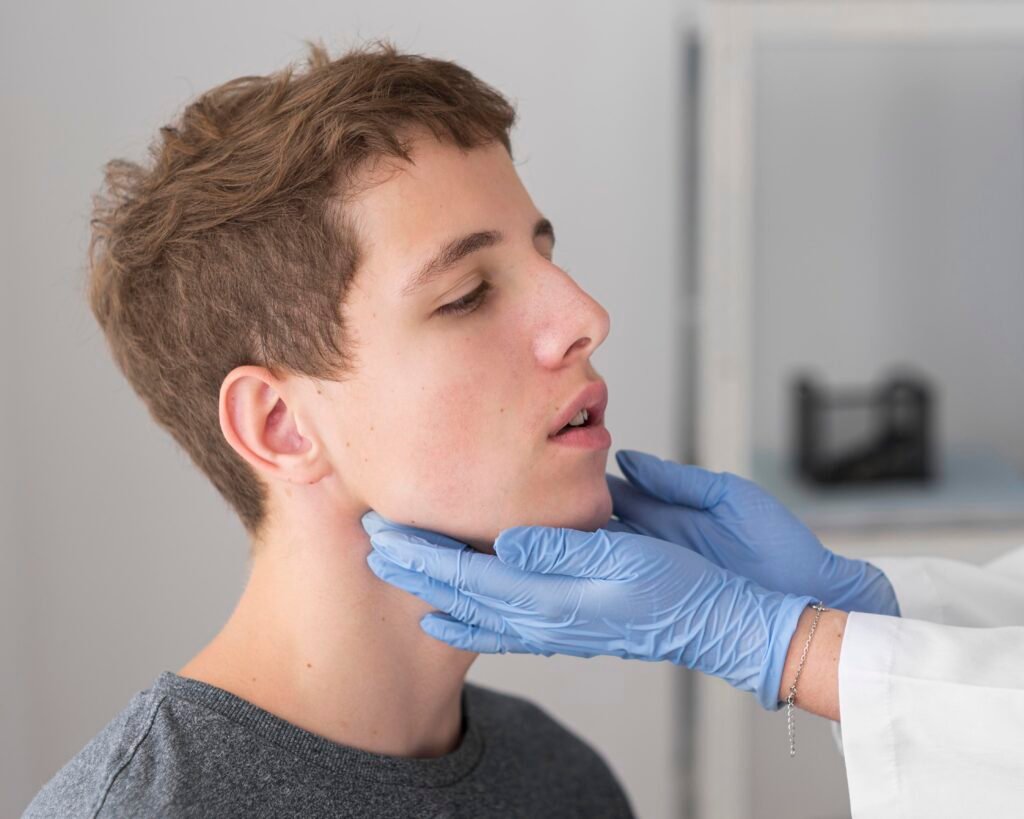
Treatment Overview
Lower Jaw Osteotomy, also known as mandibular osteotomy or jaw reduction surgery, is a precise surgical procedure designed to reshape and reposition the lower jaw. This procedure is commonly performed to correct wide, square, or protruding jawlines, creating a slimmer, more proportionate, and aesthetically harmonious lower face. By carefully removing or repositioning portions of the mandibular bone, surgeons can achieve a natural V-line or oval-shaped facial contour, which is highly desired in East Asian aesthetics.
In Korea, lower jaw osteotomy is performed using advanced surgical techniques, high-precision osteotomy tools, and 3D facial imaging technology. These innovations ensure accurate, symmetrical results with minimal risk. The procedure can be combined with chin augmentation, mandibular angle reduction, or buccal fat removal for a comprehensive lower-face transformation. Korean plastic surgeons are renowned for their expertise in facial bone contouring, making the country a top destination for this type of surgery.
Purpose & Benefits
Lower Jaw Osteotomy provides both aesthetic and functional benefits:
- Slims the lower face by reducing the width of the jaw
- Softens square or bulky jawlines, creating a more feminine or youthful appearance
- Enhances facial balance and symmetry, harmonizing the jaw with the chin and mid-face
- Defines a natural V-line or oval face, a highly desired aesthetic in Korea and Asia
- Improves bite alignment in some cases, benefiting dental function
- Can be combined with other procedures for full lower-face contouring, such as chin reshaping or cheek reduction
Patients often experience a significant boost in self-confidence along with improved facial proportions after the procedure.
Ideal Candidates
Lower Jaw Osteotomy is suitable for individuals who:
- Have wide, square, or prominent lower jaws
- Seek a more proportionate and elegant lower-face appearance
- Are adults in good overall health with realistic expectations
- Desire permanent structural improvements rather than temporary cosmetic changes
- Want to combine jaw reduction with other procedures, such as chin contouring or mandibular angle reduction, for a comprehensive transformation
Possible Risks & Complications
While lower jaw osteotomy is generally safe, potential risks include:
- Temporary swelling, bruising, or numbness in the jaw or lower face
- Mild discomfort or stiffness during jaw movement
- Infection or hematoma (rare)
- Minor asymmetry if bone repositioning is uneven
- Rare cases may require revision surgery to refine results
Korean surgeons minimize risks through careful preoperative planning, precise surgical techniques, and attentive post-operative care.
Surgical Techniques Used
- Mandibular Osteotomy – High-precision cutting and reshaping of the jawbone
- Mandibular Angle Reduction (Optional) – Reduces width and prominence of the jaw angle
- Chin Contouring (Optional) – Achieves a balanced lower face
- Combination with Buccal Fat Removal or Cheek Contouring – Enhances overall facial harmony
- 3D Imaging & Preoperative Planning – Ensures natural, symmetrical, and customized results
Recovery & Aftercare
- Swelling and bruising usually last 2–3 weeks
- Mild discomfort managed with prescribed pain medications
- Patients are advised to maintain a soft diet for 1–2 weeks and avoid strenuous jaw activity
- Regular follow-up visits monitor bone healing, symmetry, and overall jaw alignment
- Most patients return to work within 2–3 weeks, with final results visible in 1–3 months
Results & Longevity
- Slimmer, more proportionate, and balanced jawline
- Permanent structural correction of the lower jaw
- Enhanced facial symmetry and natural V-line or oval-shaped contour
- Long-lasting results with minimal maintenance
Treatment Process in Korea
- Consultation & 3D Facial Analysis – Evaluate jaw width, lower jaw prominence, and facial proportions
- Customized Surgical Plan – Determine the extent of mandibular bone reduction and any combination procedures
- Surgery – Performed under general anesthesia with precise osteotomy techniques
- Recovery & Aftercare – Swelling managed with medications, cold compresses, and dietary guidance
- Follow-Up Visits – Monitor healing, symmetry, and jawline alignment
Why Korea?
- Surgeons are highly skilled in jawbone contouring and lower-face reshaping
- Advanced 3D planning ensures precise, natural, and symmetrical results
- Emphasis on proportionate, harmonious, and aesthetically pleasing facial structure
- Comprehensive post-operative care optimizes recovery and minimizes complications
Cost Range in Korea
The cost for Lower Jaw Osteotomy generally ranges from ₩15,000,000 – ₩35,000,000 KRW (approx. $11,000 – $25,000 USD), depending on:
- Surgeon’s expertise and clinic reputation
- Complexity of the jawbone reduction and repositioning
- Combination with other facial procedures (chin, mandibular angle, or buccal fat removal)
- Inclusion of post-operative care and follow-up
Popular Clinics:
- ID Hospital – Specialists in mandibular osteotomy and lower-face contouring
- Banobagi Plastic Surgery – Known for precise, natural jaw reshaping
- JW Plastic Surgery – Advanced 3D planning and minimally invasive techniques
- View Plastic Surgery – Comprehensive lower-face sculpting solutions
- Regen Plastic Surgery – Combination procedures for optimal facial harmony


