
Treatment Overview
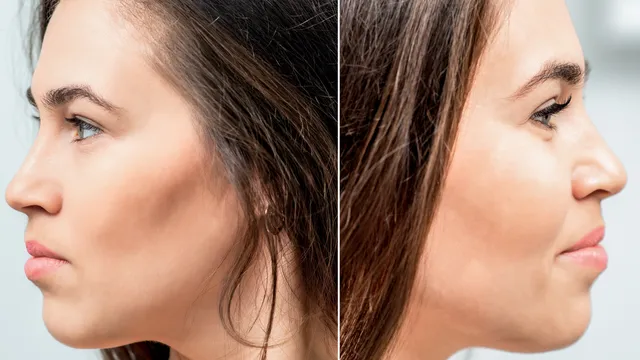
Buccal fat removal is a popular cosmetic surgery aimed at slimming the cheeks by removing the buccal fat pads located in the lower cheek area. This procedure reduces the roundness or “chubby cheeks” appearance, giving the face a more sculpted, defined, and contoured look. In Korea, buccal fat removal has gained significant attention as part of the trend toward a more refined and angular facial shape, often referred to as the coveted “V-line” or oval face shape.
Purpose & Benefits
The primary goal of buccal fat removal is to enhance facial contours by:
- Reducing fullness in the lower cheeks
- Creating a slimmer, more defined cheek and jawline
- Enhancing the natural bone structure and facial symmetry
- Improving the overall facial profile with subtle but impactful changes
- Offering a minimally invasive procedure with quick recovery
This surgery is especially beneficial for individuals who feel their cheeks look overly round or puffy despite a healthy lifestyle.
Ideal Candidates
Ideal candidates for buccal fat removal in Korea typically:
- Have naturally full or rounded cheeks due to large buccal fat pads
- Are aged between 18 and 40 (though some older patients may also benefit)
- Are in good overall health with no significant medical conditions
- Desire a more contoured, sculpted, and balanced facial appearance
- Have realistic expectations about the changes and understand that the procedure permanently removes fat
Possible Risks & Complications
While buccal fat removal is generally safe, some risks include:
- Swelling and bruising around the cheeks (common and temporary)
- Asymmetry if fat removal is uneven
- Injury to the facial nerve or parotid duct (rare with expert surgeons)
- Over-removal leading to a gaunt or hollowed cheek appearance over time
- Infection or hematoma (rare with proper care)
In Korea, highly skilled surgeons minimize these risks by employing precise techniques and thorough preoperative assessment.
Surgical Techniques Used
Korean clinics use refined surgical methods for buccal fat removal:
- Intraoral Incision: The fat pad is accessed through small incisions inside the mouth, leaving no visible scars
- Selective Fat Extraction: Surgeons carefully remove only the targeted fat pads to maintain natural facial volume
- Minimally Invasive Dissection: Avoids damage to nerves and ducts
- Customized Approach: The amount of fat removed is tailored to each patient’s unique facial anatomy for balanced results
Some clinics combine this procedure with facial contouring or skin tightening treatments to enhance overall results.
Recovery & Aftercare
Recovery from buccal fat removal is typically straightforward:
- First 1–3 days: Swelling and mild discomfort; soft diet recommended
- Week 1: Swelling subsides; patients can usually return to work or social activities
- 2–3 weeks: Full recovery with minimal residual swelling
- Patients are advised to avoid strenuous exercise for about two weeks
Korean clinics offer aftercare services such as cold compresses, lymphatic drainage massage, and anti-inflammatory treatments to speed healing and minimize swelling.
Results & Longevity
Results are usually noticeable within a few weeks as swelling reduces, with the final contour becoming apparent by 3 months. The benefits include:
- A slimmer, more chiseled lower face
- Enhanced cheekbone visibility and sharper jawline
- A more mature, balanced facial structure
- Permanent fat removal that does not typically return
Patients often experience increased confidence and satisfaction with their new facial shape.
Treatment Process in Korea
Korea is renowned for its precision and artistry in facial surgeries. The typical treatment process involves:
- Detailed Consultation: Use of 3D imaging and facial analysis to plan fat removal precisely
- Personalized Surgical Plan: Tailored to the patient’s anatomy and aesthetic goals
- Minimally Invasive Procedure: Usually performed under local anesthesia with sedation
- State-of-the-Art Facilities: Equipped with advanced sterilization and monitoring systems
- Comprehensive Aftercare: Follow-up appointments, recovery support, and skincare guidance
Korea’s dedication to patient safety, natural aesthetics, and comprehensive care makes it a preferred destination for buccal fat removal.
Cost Range
The cost of buccal fat removal in Korea varies depending on the clinic and surgeon, typically ranging between:
- ₩2,000,000 to ₩5,000,000 KRW
- Approximately $1,500 to $3,800 USD
This price usually includes surgery, anesthesia, and basic post-operative care. More prestigious clinics or those offering bundled facial contouring procedures may charge higher fees.
Popular Clinics
Some of the top clinics in Korea known for buccal fat removal include:
- Banobagi Plastic Surgery – Renowned for natural facial slimming and contouring
- ID Hospital – Specializes in comprehensive facial surgeries including fat removal
- GNG Hospital – Offers precise fat extraction with advanced techniques
- THE LINE Plastic Surgery – Popular for minimally invasive facial contouring
Treatment Overview
Buccal fat removal is a popular cosmetic surgery aimed at slimming the cheeks by removing the buccal fat pads located in the lower cheek area. This procedure reduces the roundness or “chubby cheeks” appearance, giving the face a more sculpted, defined, and contoured look. In Korea, buccal fat removal has gained significant attention as part of the trend toward a more refined and angular facial shape, often referred to as the coveted “V-line” or oval face shape.
Purpose & Benefits
The primary goal of buccal fat removal is to enhance facial contours by:
Reducing fullness in the lower cheeks
Creating a slimmer, more defined cheek and jawline
Enhancing the natural bone structure and facial symmetry
Improving the overall facial profile with subtle but impactful changes
Offering a minimally invasive procedure with quick recovery
This surgery is especially beneficial for individuals who feel their cheeks look overly round or puffy despite a healthy lifestyle.
Ideal Candidates
Ideal candidates for buccal fat removal in Korea typically:
Have naturally full or rounded cheeks due to large buccal fat pads
Are aged between 18 and 40 (though some older patients may also benefit)
Are in good overall health with no significant medical conditions
Desire a more contoured, sculpted, and balanced facial appearance
Have realistic expectations about the changes and understand that the procedure permanently removes fat
Possible Risks & Complications
While buccal fat removal is generally safe, some risks include:
Swelling and bruising around the cheeks (common and temporary)
Asymmetry if fat removal is uneven
Injury to the facial nerve or parotid duct (rare with expert surgeons)
Over-removal leading to a gaunt or hollowed cheek appearance over time
Infection or hematoma (rare with proper care)
In Korea, highly skilled surgeons minimize these risks by employing precise techniques and thorough preoperative assessment.
Surgical Techniques Used
Korean clinics use refined surgical methods for buccal fat removal:
Intraoral Incision: The fat pad is accessed through small incisions inside the mouth, leaving no visible scars
Selective Fat Extraction: Surgeons carefully remove only the targeted fat pads to maintain natural facial volume
Minimally Invasive Dissection: Avoids damage to nerves and ducts
Customized Approach: The amount of fat removed is tailored to each patient’s unique facial anatomy for balanced results
Some clinics combine this procedure with facial contouring or skin tightening treatments to enhance overall results.
Recovery & Aftercare
Recovery from buccal fat removal is typically straightforward:
First 1–3 days: Swelling and mild discomfort; soft diet recommended
Week 1: Swelling subsides; patients can usually return to work or social activities
2–3 weeks: Full recovery with minimal residual swelling
Patients are advised to avoid strenuous exercise for about two weeks
Korean clinics offer aftercare services such as cold compresses, lymphatic drainage massage, and anti-inflammatory treatments to speed healing and minimize swelling.
Results & Longevity
Results are usually noticeable within a few weeks as swelling reduces, with the final contour becoming apparent by 3 months. The benefits include:
A slimmer, more chiseled lower face
Enhanced cheekbone visibility and sharper jawline
A more mature, balanced facial structure
Permanent fat removal that does not typically return
Patients often experience increased confidence and satisfaction with their new facial shape.
Treatment Process in Korea
Korea is renowned for its precision and artistry in facial surgeries. The typical treatment process involves:
Detailed Consultation: Use of 3D imaging and facial analysis to plan fat removal precisely
Personalized Surgical Plan: Tailored to the patient’s anatomy and aesthetic goals
Minimally Invasive Procedure: Usually performed under local anesthesia with sedation
State-of-the-Art Facilities: Equipped with advanced sterilization and monitoring systems
Comprehensive Aftercare: Follow-up appointments, recovery support, and skincare guidance
Korea’s dedication to patient safety, natural aesthetics, and comprehensive care makes it a preferred destination for buccal fat removal.
Cost Range
The cost of buccal fat removal in Korea varies depending on the clinic and surgeon, typically ranging between:
₩2,000,000 to ₩5,000,000 KRW
Approximately $1,500 to $3,800 USD
This price usually includes surgery, anesthesia, and basic post-operative care. More prestigious clinics or those offering bundled facial contouring procedures may charge higher fees.
Popular Clinics
Some of the top clinics in Korea known for buccal fat removal include:
Banobagi Plastic Surgery – Renowned for natural facial slimming and contouring
ID Hospital – Specializes in comprehensive facial surgeries including fat removal
GNG Hospital – Offers precise fat extraction with advanced techniques
THE LINE Plastic Surgery – Popular for minimally invasive facial contouring


