
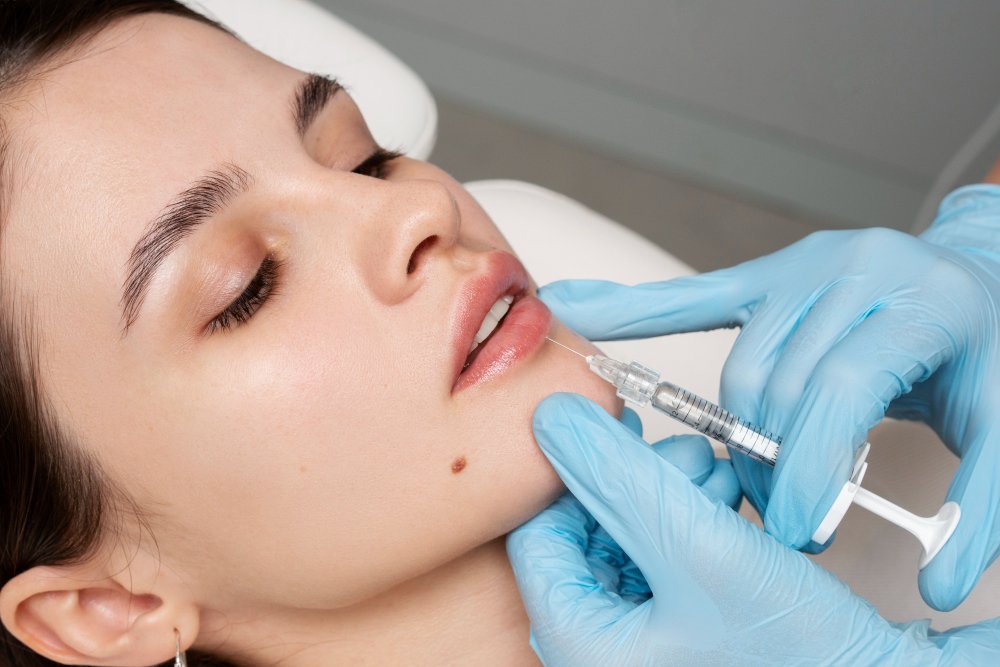
Treatment
Treatment Overview
Chin liposuction is a minimally invasive cosmetic procedure that removes excess fat under the chin to sculpt and define the lower face. Commonly used to eliminate the appearance of a double chin or reduce facial fullness, it provides immediate and long-lasting contour improvements. In Korea—a global hub for facial aesthetics—chin liposuction is performed with advanced tools, refined techniques, and artistic precision, making it a top choice for both local and international patients seeking natural-looking facial slimming.
Purpose & Benefits
Chin liposuction offers several aesthetic and structural benefits:
- Removes stubborn fat deposits beneath the chin
- Defines the jawline and sharpens the chin contour
- Reduces the appearance of a double chin
- Enhances the V-line shape commonly sought after in Korean beauty standards
- Minimally invasive with quick recovery and little downtime
- Long-lasting results with a single treatment
Korean surgeons often combine chin liposuction with other facial procedures like V-line surgery, facial fat grafting, or skin tightening treatments for more dramatic results.
Ideal Candidates
Chin liposuction is best suited for people who:
- Have localized fat under the chin and along the jawline
- Have good skin elasticity (so the skin can retract naturally post-lipo)
- Want to enhance jawline definition without major surgery
- Are in good overall health and maintain a stable weight
- Are between the ages of 20 to 50, though age isn’t a strict barrier
It’s especially popular among younger patients who want early contouring or among those frustrated with a genetically fuller lower face.
Possible Risks & Complications
Though chin liposuction is relatively low-risk, potential complications include:
- Swelling and bruising in the treatment area
- Temporary numbness or tingling
- Mild discomfort or tightness
- Irregular fat removal (contour asymmetry, rare in expert hands)
- Skin laxity if elasticity is poor
- Infection (very rare with proper care)
Korea’s top clinics take meticulous precautions to reduce these risks, often combining liposuction with RF or ultrasound-based skin tightening to ensure smooth results.
Surgical Techniques Used
Korean clinics use highly refined and minimally invasive techniques for chin liposuction:
- Microcannula Liposuction: Uses ultra-thin cannulas to precisely remove fat through tiny incisions (usually under the chin or behind the ears)
- Tumescent Technique: A local anesthetic fluid is injected to minimize bleeding, swelling, and pain
- Ultrasound or Laser-Assisted Liposuction (in some clinics): Helps melt fat and stimulate skin tightening
- Blunt Dissection Methods: Prevent damage to nerves and reduce trauma to surrounding tissue
Because Korean surgeons emphasize facial harmony, liposuction is often sculpted to create a smooth, balanced chin-to-neck transition.
Recovery & Aftercare
Recovery is relatively short and comfortable:
- Day 1–3: Swelling, bruising, and mild discomfort; compression garment worn
- Day 4–7: Bruising fades; most people return to work or daily life
- Week 2–3: Continued improvement in swelling; results become more noticeable
- Week 4+: Final contours take shape
Korean clinics typically offer comprehensive aftercare, including:
- Lymphatic drainage massage
- Anti-swelling LED therapy
- Scar treatment and skincare guidance
- Follow-up appointments with your surgeon
This structured aftercare helps accelerate healing and improve the final aesthetic outcome.
Results & Longevity
You can expect to see early results within 1 to 2 weeks, with the final shape becoming more visible by 4 to 6 weeks. Key outcomes include:
- A slimmer, more contoured jawline
- Elimination of double chin fullness
- Improved side profile and lower face definition
- Long-lasting or permanent results, as fat cells are removed and do not regenerate
Weight maintenance is essential to preserve results over the long term.
Treatment Process in Korea
Korea’s chin liposuction procedures are known for their precision, safety, and attention to facial harmony. The typical process includes:
- In-depth Consultation: 3D facial analysis and digital modeling to identify fat distribution and chin-to-neck angles
- Personalized Planning: Customized approach based on your facial structure, skin elasticity, and desired outcome
- Local or Sedation Anesthesia: Most chin lipo is done under local anesthesia with minimal downtime
- Minimally Invasive Procedure: Lasts 30–60 minutes and performed by facial contouring specialists
- Post-Op Support: Includes compression garments, swelling therapy, and skincare follow-ups
Korean clinics are also equipped to support international patients, offering services like interpretation, transportation, and accommodation assistance.
Cost Range
Chin liposuction in Korea is competitively priced, considering the quality of care and surgeon expertise. On average:
- ₩1,500,000 to ₩3,500,000 KRW
- Approximately $1,100 to $2,600 USD
Prices may vary based on the clinic, technology used, and whether the procedure is combined with additional contouring or tightening treatments.
Popular Clinics
Here are some highly-rated clinics in Korea offering chin liposuction:
- ID Hospital – Known for facial contouring and V-line procedures
- Banobagi Plastic Surgery – Offers precise, natural-looking chin and neck reshaping
- 365mc Hospital – Specializes in liposuction with a focus on facial fat sculpting
- VIEW Plastic Surgery – Popular among international clients for facial slimming


