
Treatment Overview
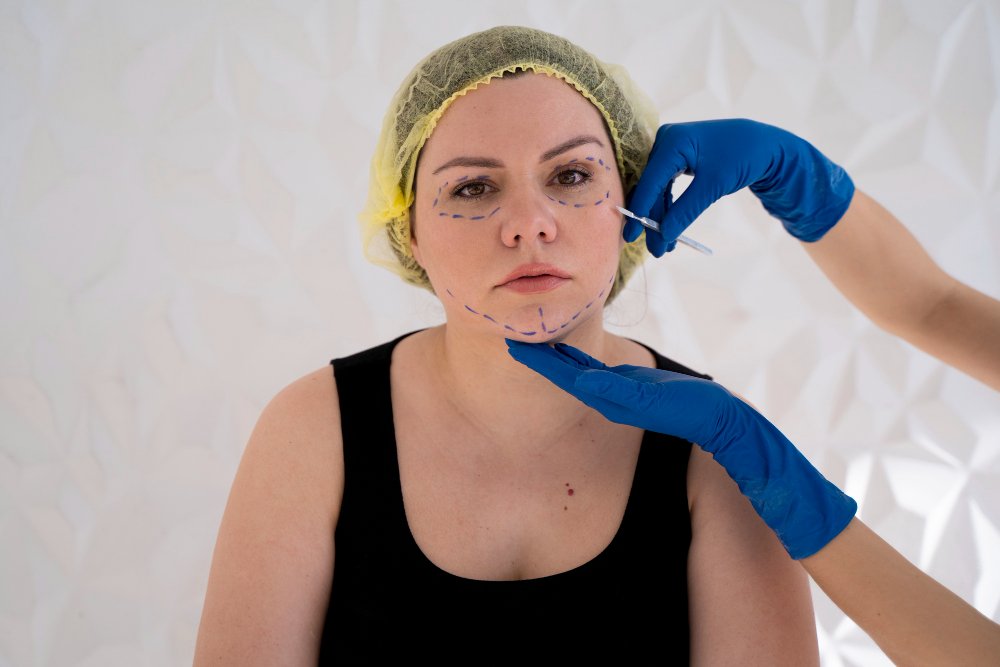
Facial contouring surgery in Korea refers to a set of surgical procedures designed to reshape and refine the face’s structure to achieve a more balanced, aesthetically pleasing appearance. These procedures often include jaw reduction, cheekbone reduction, chin reshaping (genioplasty), and facial fat grafting, among others. Korea has become a global leader in facial contouring due to its pioneering surgical techniques, meticulous planning, and focus on natural, harmonious results.
Purpose & Benefits
The primary goal of facial contouring is to enhance facial symmetry, proportion, and balance by adjusting bone structures or soft tissues. Key benefits include:
- A slimmer, V-line or heart-shaped face
- Improved jawline definition and chin projection
- Softened cheekbones or forehead contour
- Balanced facial ratios and improved symmetry
- Long-lasting, transformative results
- Boosted self-confidence and satisfaction with facial appearance
Korean facial aesthetics prioritize subtle beauty and proportion, and facial contouring is a central part of achieving this ideal.
Ideal Candidates
Facial contouring surgery is ideal for individuals who:
- Feel their facial bones (jaw, cheekbones, chin) appear too wide, flat, or asymmetrical
- Want to achieve a smaller or more V-shaped face
- Are self-conscious about strong or angular facial features
- Are in good physical and mental health
- Have realistic expectations about surgical outcomes
This procedure is especially popular among patients of East Asian descent, but Korea also tailors techniques for Western or mixed-ethnicity patients.
Possible Risks & Complications
Though facial contouring is routinely and safely performed in Korea, it carries certain risks:
- Swelling, bruising, and temporary numbness
- Infection (rare with proper care)
- Nerve injury or asymmetry (rare in skilled hands)
- Difficulty chewing or speaking during recovery
- Irregular bone healing or dissatisfaction with shape
- Prolonged healing time (several weeks to months for full results)
Working with experienced, board-certified Korean surgeons greatly minimizes these risks.
Surgical Techniques Used
Korea is known for advanced and highly refined facial contouring techniques, including:
- Zygoma (Cheekbone) Reduction: Reduces wide or protruding cheekbones for a softer look
- Mandible (Jaw) Angle Reduction: Slims down the lower face by shaving the angle of the jawbone
- Genioplasty (Chin Surgery): Alters the size, shape, or projection of the chin using bone-cutting or implant methods
- T-Osteotomy: A technique to narrow and sharpen the chin in combination with V-line surgery
- Facial Fat Grafting: Restores or enhances volume for more youthful, natural contours
- 3D CT Imaging: Used in nearly all Korean clinics to ensure accurate surgical planning and symmetry
All procedures are performed under general anesthesia, with incisions typically hidden inside the mouth or along natural lines to minimize visible scarring.
Recovery & Aftercare
Recovery from facial contouring surgery is longer than soft tissue procedures but manageable:
- Swelling and bruising last 2–4 weeks; most visible swelling subsides within 4–6 weeks
- Diet is limited to soft foods for 1–2 weeks due to intraoral incisions
- Compression bandages may be worn for support and swelling reduction
- Numbness, stiffness, or soreness may last several weeks
- Return to normal daily activities in 2–3 weeks; full recovery in 3–6 months
Korean clinics provide structured aftercare including facial massages, swelling therapy, LED treatments, and post-surgical nutrition to accelerate healing.
Results & Longevity
Facial contouring surgery offers permanent results, with final outcomes visible after full swelling subsides—typically within 3 to 6 months. Patients enjoy:
- A refined, balanced facial structure
- A youthful and attractive silhouette
- Long-term confidence from improved appearance
Because bone is permanently reshaped, results do not “wear off” like filler or Botox.
Treatment Process in Korea
Korea stands out globally for facial contouring due to:
- Comprehensive Planning: Clinics use CT scans and 3D modeling to customize each surgical plan
- Highly Experienced Surgeons: Many Korean doctors specialize exclusively in facial bone surgeries
- Minimally Invasive Techniques: Emphasis on precise cuts and hidden incisions for smoother healing
- Exceptional Aftercare Systems: Clinics offer follow-up services that include swelling management, pain control, and even scar treatment
- International Patient Services: Translation, airport pickup, accommodation assistance, and online consultations are widely offered
Korean clinics focus on natural-looking, balanced results that enhance the patient’s original features rather than drastically altering them.
Cost Range
The price of facial contouring surgery in Korea varies depending on how many procedures are performed. On average:
- ₩10,000,000 to ₩25,000,000 KRW
- Approximately $7,500 to $18,500 USD
Costs include surgeon fees, anesthesia, facility use, and post-operative care. Some clinics offer packages for multiple procedures like V-line surgery + cheekbone reduction.
Popular Clinics
Some of the most reputable clinics in Korea for facial contouring include:
- ID Hospital – Known for V-line and 3D bone contouring surgeries
- The Face Dental Clinic – Specializes in jaw and chin surgeries with advanced safety systems
- Banobagi Plastic Surgery – Offers natural, balanced facial contouring with thorough aftercare
- GNG Hospital – Focuses on bone surgeries using 3D navigation and international patient support


