
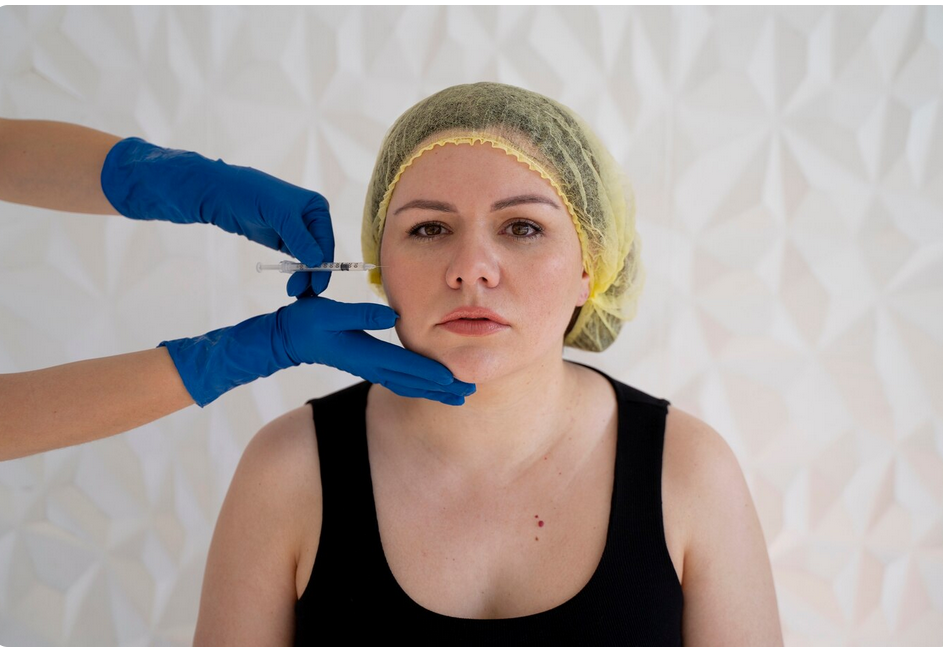
Treatment Overview
Buccal Fat Repositioning is an advanced facial contouring procedure that repositions (rather than removes) the buccal fat pads in the mid-face. Unlike traditional buccal fat removal, this method enhances facial volume in key areas such as the under-eye region or upper cheeks, while reducing fullness in the lower cheeks. It is especially popular in Korea due to its refined, natural-looking results and minimal invasiveness.
This surgery is part of a growing trend in Korean aesthetics—favoring facial balance, youthful volume, and soft contours over hollow or over-sculpted features. Korean surgeons have pioneered techniques that make buccal fat repositioning safer and more precise than ever before.
Purpose & Benefits
The key benefits of buccal fat repositioning include:
- Slimming the lower cheeks while preserving natural volume
- Enhancing mid-face contour and definition
- Reducing early signs of aging like mid-face sagging
- Avoiding a hollowed-out appearance associated with aggressive fat removal
- Achieving a natural, youthful V-line effect
This procedure is ideal for people who want a refined facial profile without drastically altering their appearance.
Ideal Candidates
Buccal fat repositioning is suited for:
- Individuals with full or heavy lower cheeks
- Patients beginning to experience mid-face sagging or volume loss
- Those seeking subtle facial slimming with volume preservation
- People with realistic expectations and good overall health
- Anyone who prefers a conservative, long-lasting alternative to buccal fat removal
Possible Risks & Complications
While generally safe, potential risks may include:
- Temporary swelling, bruising, or mild discomfort
- Asymmetry in fat repositioning
- Infection or hematoma (rare)
- Changes in facial sensation (usually temporary)
- Minor scarring inside the mouth (hidden)
Korean clinics prioritize safety by using intraoral approaches and precise anatomical techniques to avoid nerves and vital structures.
Surgical Techniques Used
In Korea, buccal fat repositioning involves:
- Intraoral Incisions: Tiny incisions made inside the mouth for no visible scarring
- Buccal Fat Pad Mobilization: Fat is gently freed from its original position
- Anchoring Fat Pads: Repositioned fat is fixed higher in the mid-face using fine sutures
- Customized Approach: Adjustments made depending on facial structure and desired contour
- Combination Techniques: Often paired with mini-lifts, cheek lifts, or under-eye fat grafting for harmonious results
Korean surgeons use cutting-edge tools, 3D imaging, and endoscopic assistance when needed to increase precision.
Recovery & Aftercare
Recovery from buccal fat repositioning is relatively quick:
- First 3–7 days: Mild swelling and discomfort, managed with medication and cold compresses
- 1–2 weeks: Swelling gradually subsides; most patients resume normal activities
- 2–3 months: Full results are visible as tissues settle
Post-op instructions include a soft diet, oral hygiene care to avoid infection, and avoiding vigorous exercise for about two weeks.
Results & Longevity
The results of buccal fat repositioning are:
- Natural-looking and balanced facial contours
- Preserved mid-face volume and youthful plumpness
- Slimmer, more defined lower cheeks
- Long-lasting effects (often 7–10+ years)
- No hollowed or sunken appearance as with fat removal
This makes it a preferred choice among both younger patients seeking refinement and older patients aiming for age-related correction.
Treatment Process in Korea
Korea offers one of the most streamlined and advanced medical tourism experiences for facial procedures. The treatment process for buccal fat repositioning typically includes:
- Online Consultation: Most clinics offer virtual assessments using photos or 3D scans
- In-Person Consultation: Upon arrival, detailed facial analysis using 3D CT or digital photography
- Customized Surgical Plan: A tailored approach based on bone structure, fat distribution, and aesthetic goals
- Surgery Day: Procedure is done under local anesthesia with sedation or general anesthesia (about 1–1.5 hours)
- Aftercare & Monitoring: Most patients are discharged the same day with medication and aftercare kits
- Follow-Ups: 1–2 in-clinic visits post-op; international patients may receive remote follow-up options
Korea’s advanced techniques, clean medical facilities, English-speaking coordinators, and safety protocols make it a top global choice for cosmetic facial surgery.
Cost Range in Korea
The cost for Buccal Fat Repositioning in Korea typically ranges from:
- ₩3,500,000 to ₩7,000,000 KRW
- Approximately $2,600 to $5,500 USD
Factors influencing the cost:
- Surgeon’s experience and specialization in facial contouring
- Whether the procedure is combined with other surgeries (e.g., cheek lift, fat grafting)
- Clinic facilities, post-op care, and medical concierge services
- Inclusion of 3D imaging, sedation, and compression garments (if applicable)
Some clinics offer package deals for international patients that include airport pickup, translation services, hotel partnerships, and follow-up coordination.
Popular Clinics for Buccal Fat Repositioning in Korea
Here are a few well-known clinics offering this advanced procedure:
- Banobagi Plastic Surgery – Known for conservative, balanced facial contouring
- ID Hospital – Leading in facial bone and fat repositioning surgeries
- GNG Hospital – Offers advanced techniques for facial volume and anti-aging
- THE PLUS Plastic Surgery – Focuses on natural-looking mid-face correction and symmetry


