
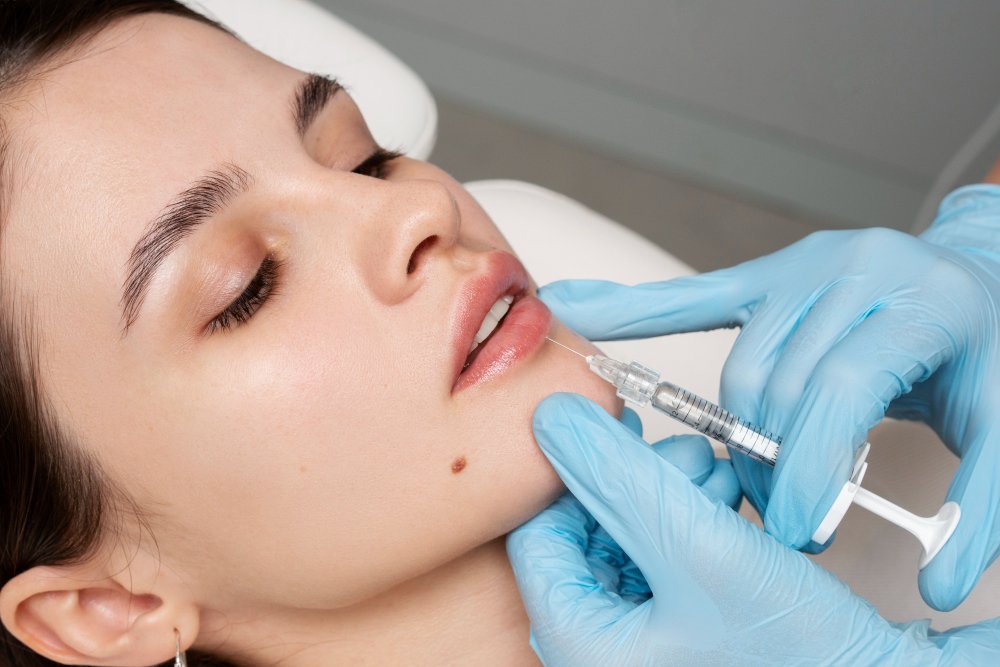
Treatment Overview
Chin implant placement in Korea is a widely sought cosmetic procedure designed to enhance the chin’s size, shape, and projection by surgically inserting a biocompatible implant. This surgery helps achieve better facial balance, a stronger jawline, and a more attractive profile. Korean surgeons are known for their meticulous technique and artistic approach, resulting in natural-looking, harmonious outcomes tailored to each individual’s facial structure.
Purpose & Benefits
The main purpose of chin implant placement is to correct a weak, recessed, or underdeveloped chin. The benefits include:
- Improved chin projection and facial symmetry
- Enhanced jawline definition and profile balance
- Long-lasting, stable results
- Minimal visible scarring, as incisions are typically inside the mouth or under the chin
- Boost in confidence due to improved facial aesthetics
This procedure can be performed alone or combined with other facial surgeries for a comprehensive makeover.
Ideal Candidates
Ideal candidates for chin implant placement in Korea are individuals who:
- Have a small or recessed chin affecting facial harmony
- Seek subtle to moderate enhancement of chin size and shape
- Are healthy and have realistic expectations about surgical outcomes
- Have fully matured facial bones (usually 18 years or older)
- Desire a permanent solution for chin augmentation
Both men and women across various age groups commonly pursue this procedure.
Possible Risks & Complications
While chin implant placement is generally safe, potential risks include:
- Swelling, bruising, or temporary numbness
- Infection or implant displacement
- Implant asymmetry or dissatisfaction with size/shape
- Scarring (usually hidden and minimal)
- Rare nerve damage
Choosing an experienced, board-certified plastic surgeon in Korea helps minimize these risks and ensures high safety standards.
Surgical Techniques Used
In Korea, the common surgical techniques for chin implant placement include:
Intraoral Approach
- Implant inserted through a small incision inside the lower lip
- No visible external scars
- Good access for precise implant positioning
Submental Approach
- Incision made under the chin, often hidden in natural skin folds
- Allows easier implant placement for larger or more complex implants
- Slightly more visible scar but usually well concealed
Implants are typically made from silicone or other biocompatible materials and can be custom-shaped or pre-made to suit the patient’s facial structure.
Recovery & Aftercare
Recovery after chin implant placement usually follows this timeline:
- Mild swelling and bruising for 1–2 weeks
- Temporary numbness or tightness around the chin area
- Soft diet recommended if intraoral incision is used
- Return to light activities within a few days, avoid strenuous exercise for 2–3 weeks
- Follow-up visits for monitoring healing and implant position
Korean clinics often provide advanced aftercare, including lymphatic drainage massage and specialized treatments to reduce swelling and speed recovery.
Results & Longevity
Results from chin implant placement are usually visible immediately after surgery, with final results settling over 1–3 months as swelling diminishes. The surgery offers:
- A stronger, more balanced chin and jawline
- Improved facial symmetry and profile harmony
- Durable and long-lasting effects, often permanent unless implant removal is desired
- Enhanced facial aesthetics complementing other procedures
Patients report high satisfaction rates due to the natural and proportionate outcomes typical in Korean cosmetic surgery.
Treatment Process in Korea
Korea is a top destination for chin implant placement due to its combination of advanced medical technology, highly skilled surgeons, and artistic precision. The treatment process typically involves:
- Detailed consultation with 3D facial imaging and simulation
- Customized surgical planning tailored to individual facial features
- Use of minimally invasive techniques for optimal results and minimal scarring
- Comprehensive post-operative care with follow-up support
- Services catering to international patients including language assistance and travel coordination
The high standards and innovation in Korean clinics ensure excellent safety, comfort, and aesthetic outcomes.
Cost Range
The cost of chin implant placement in Korea generally ranges from $2,500 to $5,500 USD, influenced by:
- Type and customization of the implant
- Surgeon’s expertise and clinic reputation
- Use of advanced imaging and technology
- Inclusion of anesthesia, facility fees, and aftercare
Many clinics offer package deals for international patients that cover consultations, surgery, accommodation, and translator services.
Popular Clinics
Notable clinics in Korea specializing in chin implant placement include:
- Banobagi Plastic Surgery – Renowned for natural results and custom implant options
- ID Hospital – Experts in facial bone and implant surgeries with advanced techniques
- View Plastic Surgery – Known for 3D simulation and international patient care
- Woori Plastic Surgery – Skilled surgeons offering tailored implant placement
- Girin Plastic Surgery – Focus on subtle enhancements and balanced facial contours
These clinics provide excellent English support and comprehensive care for foreign patients seeking chin augmentation.


