
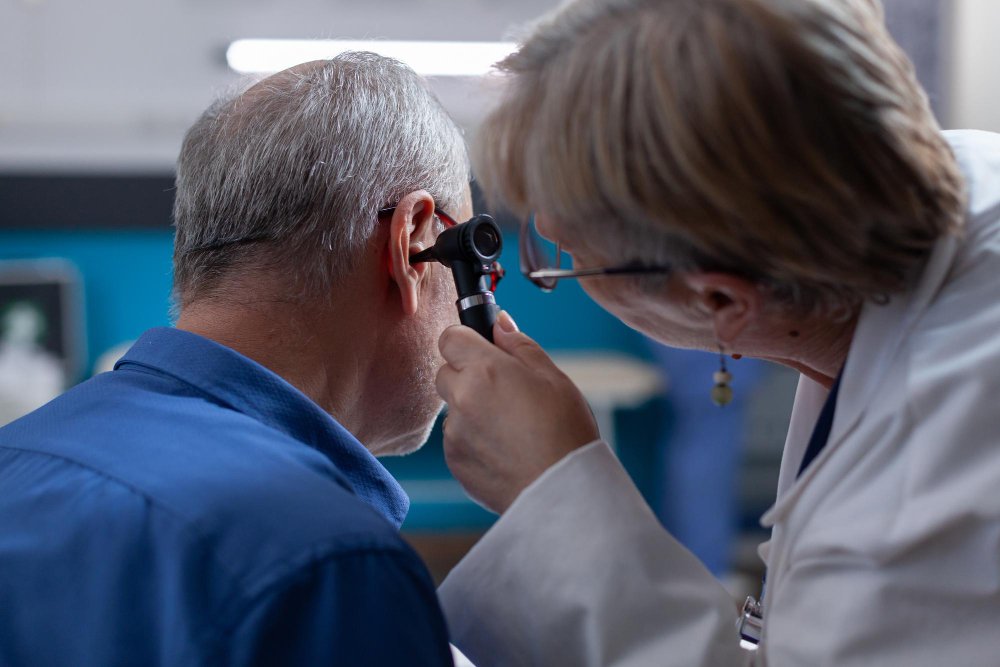
Treatment Overview
Incisionless Otoplasty is a minimally invasive ear correction surgery that reshapes and repositions the ears without external incisions. Instead of cutting or removing cartilage, surgeons use specialized suture techniques to reshape the ear from the inside, leaving no visible scars. In Korea, this technique is especially popular due to the country’s expertise in scar-minimizing and natural-looking cosmetic procedures.
This approach is ideal for patients who want to correct prominent or protruding ears with a shorter recovery time and minimal surgical trauma compared to traditional otoplasty. Korean clinics have refined incisionless techniques using micro-sutures, endoscopic assistance, and advanced cartilage molding methods to achieve precise and lasting results.
Purpose & Benefits
- Corrects prominent or protruding ears without visible scars.
- Preserves natural cartilage structure while reshaping the ear.
- Minimal downtime compared to traditional otoplasty.
- Reduced swelling, bruising, and discomfort.
- No risk of keloid or hypertrophic scars since no skin incision is made.
- Provides a more natural ear contour and balanced facial harmony.
Ideal Candidates
- Individuals with protruding ears or mild to moderate ear asymmetry.
- Patients who want scar-free results and minimal surgical intervention.
- Adults and older children (with fully developed cartilage).
- People with thin or pliable cartilage, which responds better to suture reshaping.
- Those in good health with realistic expectations for natural improvement.
Possible Risks & Complications
Although safer and less invasive, incisionless otoplasty still carries some risks, including:
- Suture visibility under thin skin.
- Relapse if sutures loosen or cartilage resists reshaping.
- Temporary swelling, bruising, or mild discomfort.
- Infection (rare when performed under sterile conditions).
- Minor asymmetry, which can often be corrected with touch-up procedures.
Surgical Techniques Used
In Korea, incisionless otoplasty is performed under local anesthesia with sedation or light general anesthesia, depending on the patient’s needs. Techniques include:
- Suture Fixation: Permanent sutures are placed through tiny needle punctures behind the ear to reshape and secure the cartilage.
- Cartilage Molding: Gentle scoring or reshaping of cartilage may be done to maintain long-term results.
- Endoscopic Assistance: Some clinics use small cameras for precise suture placement.
- Minimally Invasive Tools: Ultra-fine needles and absorbable sutures reduce trauma and recovery time.
Recovery & Aftercare
- Recovery is much quicker than traditional otoplasty, with most patients resuming normal activities in 3–5 days.
- A headband or light ear dressing may be worn for 1–2 weeks to maintain ear shape.
- Swelling and bruising usually subside within 7–10 days.
- Korean clinics often provide LED therapy, regenerative treatments, and scar-prevention care to ensure smooth healing.
- Follow-up visits check for suture stability and ear symmetry.
Results & Longevity
Results are visible immediately after surgery and continue to refine as swelling decreases. The ears appear naturally set back and symmetrical, improving overall facial harmony. With proper technique, results are long-lasting, though some patients may need revision if cartilage memory causes relapse. Korean surgeons often combine advanced suture methods and cartilage conditioning to enhance stability and durability of results.
Treatment Process in Korea
Korea is a top destination for incisionless otoplasty due to its focus on scar-free cosmetic techniques and natural aesthetics. The treatment process typically includes:
- Comprehensive Consultation: 3D imaging and ear analysis to design a customized ear shape.
- Minimally Invasive Surgery: Performed in under 1–2 hours with no visible incisions.
- Enhanced Recovery Care: Specialized aftercare like swelling-reduction treatments, light therapy, and follow-ups.
- Medical Tourism Services: English-speaking coordinators, private recovery facilities, and concierge services for international patients.
Cost Range
The cost of Incisionless Otoplasty in Korea typically ranges from ₩4,000,000 to ₩8,000,000 KRW (USD $3,000 – $6,000) depending on:
- Surgeon’s expertise and clinic reputation.
- Complexity of ear reshaping required.
- Whether one or both ears are treated.
- Inclusion of aftercare and recovery packages.
Popular Clinics in Korea
- Banobagi Plastic Surgery – Known for minimally invasive ear correction and natural outcomes.
- View Plastic Surgery – Offers advanced suture otoplasty techniques with 3D analysis.
- ID Hospital – Specializes in scar-free and cartilage-preserving ear surgeries.
- GNG Hospital – Provides incisionless methods combined with regenerative care.
- JW Plastic Surgery – Internationally recognized clinic with a strong reputation for ear reshaping procedures.


