
Treatment Overview
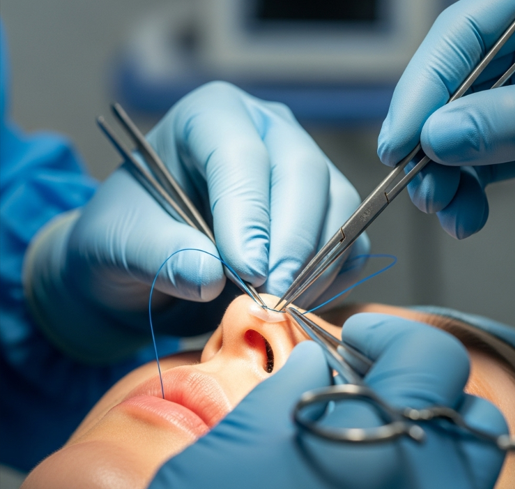
Septorhinoplasty is a combined functional and cosmetic nose surgery that addresses both the internal structure (septum) and the external appearance of the nose. The procedure corrects a deviated septum to improve breathing while simultaneously reshaping the nose for enhanced aesthetics.
In Korea, septorhinoplasty is highly advanced, blending functional nasal correction with refined cosmetic artistry. Korean surgeons are internationally recognized for balancing medical necessity with natural beauty, making this surgery popular among patients who want both improved breathing and a more harmonious nose shape.
Purpose & Benefits
The main purpose of septorhinoplasty is to restore proper nasal airflow while refining nasal aesthetics. Benefits include:
- Corrects deviated septum and improves breathing.
- Relieves chronic nasal obstruction, snoring, or sinus issues.
- Enhances nasal appearance (tip refinement, bridge reshaping, nostril correction).
- Combines functional and cosmetic correction in a single surgery.
- Creates a balanced, natural-looking nose that complements facial features.
- Long-lasting results that improve both health and confidence.
Ideal Candidates
Septorhinoplasty in Korea is suitable for individuals who:
- Have breathing problems due to a deviated septum.
- Suffer from chronic nasal congestion, headaches, or sinus issues.
- Desire both functional improvement and cosmetic nasal enhancement.
- Previously had unsuccessful septoplasty or rhinoplasty.
- Are in good overall health with realistic expectations.
Possible Risks & Complications
While septorhinoplasty is safe in expert hands, potential risks include:
- Swelling and bruising (typically subsides within weeks).
- Temporary breathing difficulty during healing.
- Over- or under-correction of the septum.
- Asymmetry in nasal shape.
- Rare cases of infection or septal perforation.
- Need for revision surgery in complex cases.
Surgical Techniques Used
Korean surgeons combine functional and cosmetic techniques for septorhinoplasty, including:
- Septoplasty: Straightening the septum to improve airflow.
- Cartilage Grafting: Using septal, ear, or rib cartilage for support and reshaping.
- Tip Refinement: Adjusting cartilage for definition and symmetry.
- Bridge Correction: Reducing or augmenting the nasal bridge for balance.
- Valve Repair: Reinforcing weak nasal valves to enhance breathing.
- Internal Incisions: Hidden inside nostrils for minimal scarring.
Recovery & Aftercare
- Swelling & Bruising: Most visible swelling subsides within 2–3 weeks.
- Splints & Packing: External splint worn for about 1 week; internal splints may be used temporarily.
- Downtime: Patients usually resume light activities in 7–10 days.
- Breathing Improvement: Noticeable within weeks, with continued improvement as healing progresses.
- Final Results: Aesthetic refinement and stable breathing improvements appear within 3–6 months.
- Aftercare in Korea: Clinics offer scar prevention care, anti-swelling therapies, LED treatments, and regular follow-ups.
Results & Longevity
Septorhinoplasty provides long-term functional and aesthetic improvements. By correcting internal structures and reshaping the nose, results are stable, natural-looking, and improve overall quality of life. In Korea, advanced techniques ensure minimal scarring and balanced facial harmony.
Treatment Process in Korea
1. Consultation
- Surgeons perform nasal endoscopy and 3D facial imaging.
- Patients discuss both breathing concerns and cosmetic goals.
2. Pre-Surgery Care
- Full health evaluation including CT scans if needed.
- Customized surgical planning combining functional and cosmetic corrections.
3. Surgery
- Performed under general anesthesia.
- Duration: 2–4 hours, depending on complexity.
- Internal incisions used whenever possible to avoid visible scars.
4. Immediate Post-Surgery Care
- Patients monitored for several hours post-op.
- External nasal splint applied for stabilization.
5. Follow-Up & Aftercare
- Korean clinics provide anti-swelling injections, scar-prevention therapy, and breathing assessments.
- Medical tourism packages often include interpreter support, transfers, and extended aftercare programs.
Why Korea?
- Dual Expertise: Korean surgeons excel in both functional ENT (Ear, Nose, Throat) and cosmetic rhinoplasty.
- Natural Aesthetics: Focus on achieving harmony with the patient’s overall facial structure.
- Advanced Technology: Use of 3D imaging, endoscopy, and minimally invasive grafting techniques.
- International Patient Support: Clinics offer comprehensive care for global patients.
Cost Range
Septorhinoplasty in Korea is priced based on complexity, surgeon expertise, and clinic reputation.
- General Price Range: ₩6,000,000 – ₩12,000,000 KRW (approx. $4,800 – $9,600 USD).
- Basic Packages Include: Surgeon’s fee, anesthesia, surgery, and follow-up care.
- Premium Packages May Include:
- 3D imaging and simulation
- Specialized ENT assessments
- Anti-swelling therapies and LED aftercare
- VIP recovery rooms
- Full medical tourism services
Compared to Western countries, Korea offers more competitive pricing with top-tier functional and cosmetic outcomes.
Popular Clinics
- Banobagi Plastic Surgery (Seoul): Known for blending functional correction with refined aesthetics.
- ID Hospital (Seoul): Specializes in complex septorhinoplasty and reconstructive nasal surgery.
- JW Plastic Surgery Clinic: Offers advanced septal correction with natural cosmetic results.
- View Plastic Surgery Clinic: Popular among international patients for comprehensive care.
- MINE Plastic Surgery Clinic: Focuses on balanced septum correction with subtle cosmetic enhancement.


