
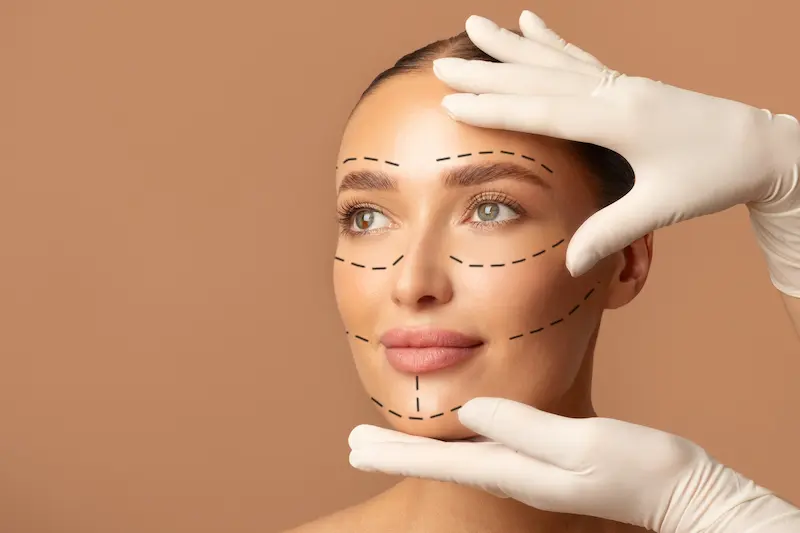
When it comes to understanding how facial aging occurs—and how facelifts reverse it—the SMAS layer is one of the most important anatomical structures to know. The Superficial Musculoaponeurotic System (SMAS) is at the heart of many modern facelift techniques because it plays a central role in both the visible signs of aging and the effectiveness of surgical rejuvenation.
In this article, we’ll explore what the SMAS layer is, how it contributes to facial aging, and why addressing it directly leads to more natural, longer-lasting facelift results.
What Is the SMAS Layer?
The SMAS is a fibromuscular layer that lies just beneath the skin and subcutaneous fat but above the deeper facial muscles and bones. It acts as a supportive structure, connecting facial muscles to the skin and helping to transmit movement across the face.
It’s essentially the architectural foundation of your mid-to-lower face—and like any foundation, when it begins to weaken, the structure above it (your skin and soft tissues) begins to sag.
How the SMAS Layer Affects Facial Aging
As we age, several changes occur in the SMAS layer that contribute to the classic signs of facial aging:
1. Loss of Elasticity
The SMAS loses its elasticity over time due to a natural decline in collagen and elastin. This causes it to stretch and droop, leading to visible sagging in the cheeks, jowls, and neck.
2. Volume Descent
Facial fat pads that rest on top of the SMAS layer also begin to descend with gravity. This descent causes hollowing under the eyes and in the midface, while creating fullness or “jowling” along the jawline.
3. Weakened Muscle Support
The SMAS is also involved in facial muscle support. As it weakens, dynamic wrinkles (caused by muscle movement) become more pronounced, and the face loses its youthful firmness and contours.
Why the SMAS Layer Matters in Facelift Surgery
Many early facelift techniques focused solely on removing excess skin. While these procedures provided some short-term improvement, they didn’t address the underlying cause of sagging: the stretched and displaced SMAS layer.
Modern facelift techniques—especially the SMAS facelift—are designed to lift, reposition, and secure the SMAS layer. Here’s why that matters:
1. Deeper Rejuvenation
By lifting the SMAS, the surgeon is effectively lifting the entire facial structure, not just the skin. This leads to more profound and comprehensive rejuvenation.
2. Natural-Looking Results
Because the SMAS layer is repositioned rather than just the skin being tightened, the outcome is smoother and more natural—not pulled or “windblown.”
3. Longer-Lasting Effects
Lifting the SMAS produces longer-lasting results because the deeper tissues are less likely to relapse quickly. Most patients enjoy 10–15 years of youthful contours with proper skincare and maintenance.
4. Customizable Technique
Surgeons can adjust the vector (direction) and degree of SMAS manipulation depending on a patient’s unique facial structure and aging pattern, allowing for highly individualized results.
Signs of SMAS Aging: What to Look For
Not everyone experiences facial aging in the same way, but the following signs often point to SMAS-related changes:
- Sagging cheeks or midface flattening
- Jowls forming along the jawline
- Loose skin or banding in the neck
- Loss of definition in the lower face
- Deep nasolabial folds (lines from nose to mouth)
If these symptoms sound familiar, you may be a good candidate for a SMAS-targeted facelift.
Conclusion
The SMAS layer is the hidden framework that holds your youthful face together. As it weakens with age, the effects become visible—sagging, drooping, and a loss of youthful contour. That’s why modern facelift techniques focus not just on the surface, but on restoring the deeper layers of facial anatomy.
By understanding the role of the SMAS in both aging and rejuvenation, you can make more informed decisions about your facial aesthetic options and work with your surgeon to achieve results that are both natural and enduring.


