
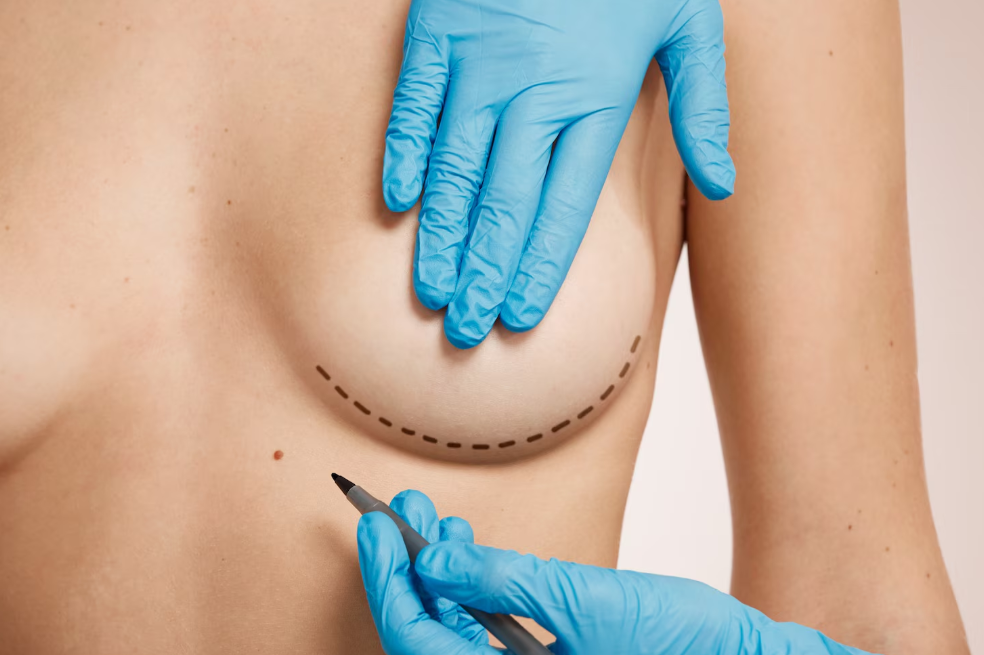
Treatment Overview
Nipple Reduction Surgery is a cosmetic procedure designed to reduce the size of enlarged or protruding nipples for a more balanced and aesthetically pleasing breast appearance. In Korea, this surgery is performed using advanced techniques that ensure natural shape, symmetry, and minimal scarring. Korean plastic surgeons are recognized internationally for their precision, aesthetic expertise, and ability to maintain nipple function and sensation, making Korea a leading destination for this procedure.
Purpose & Benefits
The main purpose of nipple reduction is to correct overly large or elongated nipples that may cause discomfort or aesthetic concerns.
Key benefits include:
- Improved proportion and symmetry of the nipples relative to the breasts
- Enhanced overall breast aesthetics
- Boost in self-confidence and body image
- Minimal visible scarring
- Preservation of nipple sensation and functionality
Ideal Candidates
This surgery is suitable for individuals who:
- Have enlarged or elongated nipples causing cosmetic concern
- Desire balanced breast aesthetics
- Are in good overall health
- Have realistic expectations regarding size reduction and breast appearance
- Wish to maintain nipple function, including breastfeeding potential
Possible Risks & Complications
Although Korea provides high standards of surgical care, nipple reduction carries potential risks:
- Mild swelling, bruising, or tenderness
- Temporary changes in nipple sensation
- Minor scarring around the nipple (usually minimal)
- Asymmetry between nipples
- Infection or bleeding (rare)
Surgical Techniques Used
Korean surgeons utilize refined techniques tailored to the patient’s anatomy and goals:
- Circumferential Reduction – removes excess tissue around the base of the nipple to reduce diameter while preserving nipple projection.
- Vertical Wedge Technique – removes tissue in a wedge shape for elongated nipples, maintaining symmetry.
- Composite Techniques – combines base and length adjustments for optimal proportion.
- Minimally Invasive Methods – small incisions and precise suturing minimize visible scarring.
- Combination Procedures – can be performed alongside areola reduction, breast lift, or augmentation for enhanced breast aesthetics.
Recovery & Aftercare
Recovery in Korea is structured and patient-focused:
- Light activities can typically resume within 2–3 days.
- Compression dressings may be recommended for 1–2 weeks to support healing.
- Swelling and tenderness usually subside within 1–2 weeks.
- Strenuous exercise or chest pressure should be avoided for 3–4 weeks.
- Follow-up visits ensure proper healing, symmetry, and scar management.
Results & Longevity
Results are visible immediately, with smaller, proportionate nipples. Final outcomes become apparent within 4–6 weeks as swelling resolves. Korean surgical techniques focus on long-term results, preserving nipple function while maintaining natural aesthetics. Recurrence is rare with proper care.
Treatment Process in Korea
Korea is a leading destination for nipple reduction due to its advanced surgical techniques, aesthetic expertise, and patient-centered care:
- Pre-Surgery Consultation: Detailed evaluation of nipple size, shape, symmetry, and patient goals to create a customized surgical plan.
- Advanced Minimally Invasive Techniques: Use of micro-incisions, precise tissue excision, and fine sutures ensures natural results with minimal scarring.
- Combination with Other Breast Procedures: Nipple reduction can be integrated with breast lift, augmentation, or areola reduction for a comprehensive aesthetic outcome.
- Highly Skilled Surgeons: Board-certified surgeons with extensive experience perform high volumes of nipple reduction surgeries, ensuring consistent results.
- Medical Tourism Support: English-speaking coordinators, recovery accommodations, and detailed post-op guidance make the procedure accessible for international patients.
- Post-Operative Monitoring: Regular follow-ups monitor healing, scar formation, and symmetry to ensure long-term results.
- High Patient Satisfaction: Korea’s combination of technical precision, aesthetic expertise, and attentive care consistently delivers natural, proportionate, and long-lasting results.
Cost Range
Nipple reduction surgery in Korea is affordable while maintaining high surgical standards:
- Typical Price Range: ₩1,500,000 – ₩3,500,000 KRW (Approx. $1,150 – $2,700 USD)
- Factors Affecting Cost:
- Extent of tissue reduction
- Surgical technique (circumferential, wedge, or combined)
- Surgeon’s expertise and clinic reputation
- Combination with other breast procedures (lift, augmentation, areola reduction)
- Additional Costs: Pre-operative tests, anesthesia, post-op dressings, and follow-up visits may add ₩300,000 – ₩700,000 KRW ($230 – $530 USD)
Popular Clinics
Some of the top Korean clinics for nipple reduction include:
- Banobagi Plastic Surgery Clinic – advanced techniques with natural results
- JK Plastic Surgery Center – high precision and patient satisfaction
- View Plastic Surgery Hospital – integrates aesthetic and functional correction
- ID Hospital Seoul – experienced surgeons with international patient support
- Regen Plastic Surgery – specialized in complex breast and nipple procedures


