
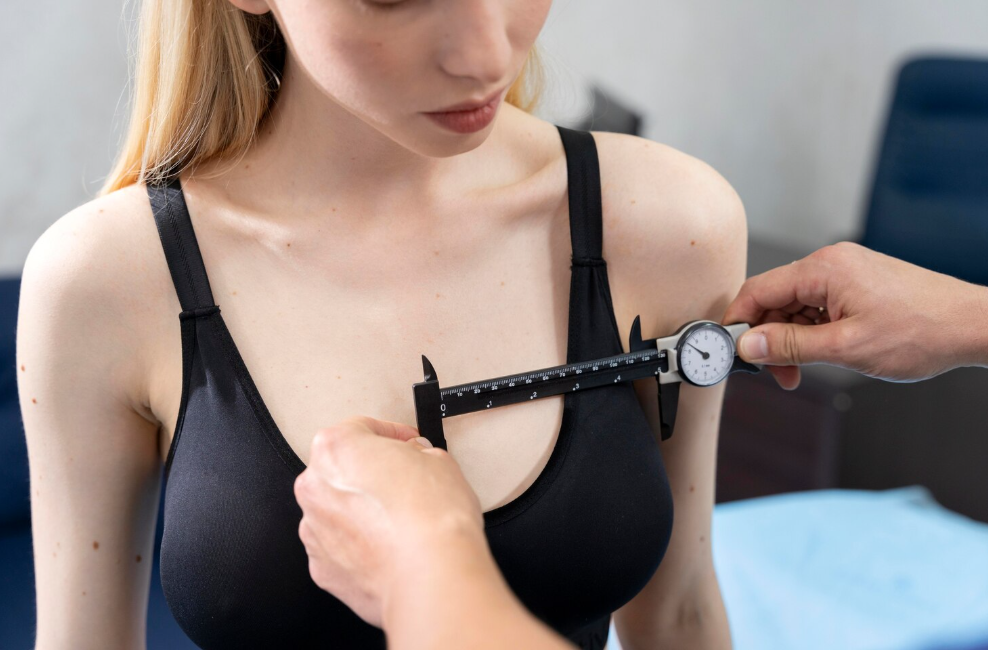
Treatment Overview
Areola Reduction in Korea under the Breast Implant Removal category is a cosmetic procedure designed to reduce enlarged or stretched areolas that can occur after implant removal or due to prior breast surgeries. Following implant removal, some patients experience changes in breast shape or areola size, and areola reduction helps restore natural proportion and aesthetics.
Korean plastic surgeons are internationally recognized for their expertise in corrective breast procedures, using precise techniques to achieve natural-looking results.
Purpose & Benefits
The main purpose of areola reduction after implant removal is to restore breast aesthetics and proportion.
Key benefits include:
- Corrects stretched or enlarged areolas after implant removal
- Improves symmetry between breasts
- Enhances overall breast appearance post-surgery
- Natural-looking results with minimal visible scarring
- Boosts confidence and comfort in clothing
Ideal Candidates
This procedure is ideal for patients who:
- Have stretched or enlarged areolas following breast implant removal
- Desire improved symmetry and proportional breast appearance
- Are in good overall health with realistic expectations
- Wish to combine areola reduction with breast lift or reconstructive procedures
Possible Risks & Complications
Even with Korea’s advanced surgical standards, potential risks include:
- Temporary swelling, bruising, or tenderness
- Minor asymmetry between areolas
- Visible scarring (usually minimal with Korean techniques)
- Changes in nipple sensitivity (temporary or rare permanent cases)
- Infection or delayed healing
- Rare complications related to anesthesia
Surgical Techniques Used
Korean surgeons employ precise, minimally invasive techniques tailored to post-implant removal patients:
- Circumferential Areola Reduction: Removes excess tissue around the areola to restore proportion.
- Wedge or Pie-Shaped Excision: Corrects asymmetry or excessive projection.
- Combination with Breast Lift or Reconstruction: Often performed alongside mastopexy to enhance shape and contour after implant removal.
- Minimally Invasive Incisions: Strategically placed to reduce visible scarring and preserve nipple function.
Recovery & Aftercare
Recovery in Korean clinics is structured to ensure optimal healing:
- Light activities can resume in 2–3 days
- Swelling and bruising subside within 1–2 weeks
- Protective dressings are worn for 1–2 weeks
- Avoid pressure on the breasts for 4–6 weeks
- Follow-up visits monitor healing, symmetry, and scar formation
Results & Longevity
Results are immediately noticeable, with final areola size and shape visible after swelling resolves in 2–3 weeks.
- Provides long-lasting, natural-looking results
- Korean techniques focus on proportion, symmetry, and minimal scarring
- Ideal for patients seeking aesthetic correction after implant removal
Treatment Process in Korea
Korea is a top destination for areola reduction post-implant removal due to its highly skilled surgeons, advanced techniques, and comprehensive care:
- Consultation & Assessment: Surgeons evaluate post-implant breast changes, areola size, and patient goals.
- Customized Surgical Plan: Technique selection is tailored for optimal areola proportion and minimal scarring.
- Advanced Surgical Methods: Precise excision, meticulous suturing, and combination with breast lift or reconstruction if needed.
- Post-Operative Care: Structured follow-ups, protective dressings, and scar management ensure optimal results.
- Medical Tourism Support: English-speaking coordinators, recovery accommodations, and guided care for international patients.
- Focus on Aesthetic Restoration: Korean surgeons emphasize symmetry, natural proportion, and a balanced appearance following implant removal.
Cost Range
Areola reduction after breast implant removal in Korea is competitively priced:
- Typical Price Range: ₩1,800,000 – ₩4,000,000 KRW
(Approx. $1,400 – $3,000 USD)
Factors Affecting Cost:
- Extent of areola reduction required
- Combination with breast lift or reconstruction
- Surgeon’s experience and clinic reputation
- Hospital or operating facility fees
Additional Costs:
- Pre-operative assessments: ₩50,000 – ₩150,000 KRW ($40 – $115 USD)
- Post-operative dressings and follow-up care: ₩50,000 – ₩200,000 KRW ($40 – $150 USD)
Popular Clinics
Top Korean clinics for areola reduction after breast implant removal include:
- Banobagi Plastic Surgery Clinic – expert in corrective breast procedures
- JK Plastic Surgery Center – internationally accredited, skilled in post-implant corrections
- View Plastic Surgery Hospital – minimally invasive techniques for natural results
- ID Hospital Seoul – specializes in breast reconstruction and contour restoration
- Regen Plastic Surgery – focuses on symmetry, proportion, and minimal scarring


