
Treatment Overview
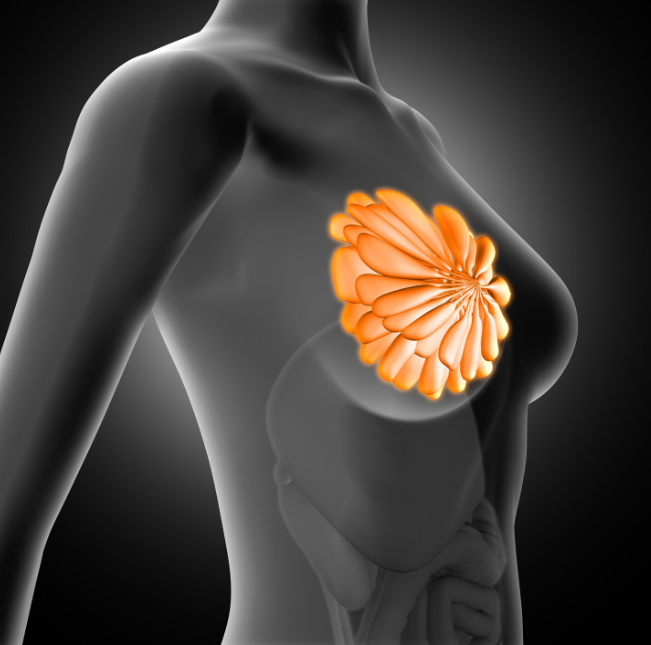
Capsulectomy in Korea is a specialized surgical procedure that involves the removal of the scar tissue capsule that naturally forms around a breast implant. This procedure is commonly performed to address complications such as capsular contracture, implant rupture, pain, or breast implant illness (BII).
Korean plastic surgeons are recognized worldwide for their precision, minimally invasive techniques, and natural-looking outcomes, making Korea a top destination for capsulectomy procedures.
Purpose & Benefits
The purpose of capsulectomy is to remove problematic scar tissue and restore breast shape, comfort, and symmetry.
Key benefits include:
- Relief from pain, tightness, or deformity caused by capsular contracture
- Removal of problematic capsules associated with implant-related autoimmune symptoms
- Improved breast aesthetics and contour
- Ability to combine with implant replacement or fat grafting for optimal results
- Minimally invasive approach ensures reduced scarring
Ideal Candidates
Capsulectomy is recommended for individuals who:
- Have capsular contracture causing firmness, distortion, or discomfort
- Experience breast implant illness or systemic symptoms
- Desire implant removal with complete capsule excision
- Seek breast symmetry restoration after previous implant surgery
- Are in good health and have realistic expectations
Possible Risks & Complications
Even with Korea’s advanced techniques, potential risks include:
- Swelling, bruising, or tenderness around the breasts
- Changes in nipple sensation
- Minor asymmetry or contour irregularities
- Infection or delayed healing (rare)
- Small risk of recurrence of scar tissue if implants are replaced
Surgical Techniques Used
Korean surgeons employ precise techniques to ensure complete and safe capsule removal:
- En Bloc Capsulectomy: Removes the implant and entire surrounding capsule in one piece, often recommended for BII or contracture
- Total Capsulectomy: Complete removal of the capsule while leaving the implant in place or replacing it
- Partial Capsulectomy: Only the problematic portion of the capsule is removed
- Minimally Invasive Incisions: Incisions are strategically placed to minimize scarring
- Combination with Reconstruction: Fat grafting, lift, or implant replacement can be performed simultaneously for aesthetic restoration
Recovery & Aftercare
Recovery in Korea is structured for safety and comfort:
- Light activities can resume within 5–7 days
- Swelling and bruising typically resolve in 2–3 weeks
- Compression garments recommended for 4–6 weeks
- Avoid heavy lifting and chest exercises for 4–6 weeks
- Follow-up visits monitor healing, breast symmetry, and scar formation
Results & Longevity
- Immediate relief from pain and contracture is noticeable after surgery
- Long-term results include improved breast shape, comfort, and symmetry
- When combined with implant replacement or fat grafting, results are natural and long-lasting
- Korean surgeons prioritize minimal scarring and soft, aesthetically pleasing breast contours
Treatment Process in Korea
Korea is a top destination for capsulectomy due to advanced surgical expertise and patient-focused care:
- Comprehensive Consultation: Assessment of scar tissue, implant condition, and patient goals
- Customized Surgical Plan: Technique selected based on severity, presence of BII symptoms, and aesthetic goals
- Advanced Surgical Techniques: En bloc or total capsulectomy using minimally invasive methods
- Optional Combination Procedures: Fat grafting, lift, or new implant placement for enhanced results
- Structured Post-Op Care: Compression garments, follow-ups, and scar management
- Medical Tourism Support: English-speaking coordinators, recovery accommodations, and tailored post-operative guidance
Cost Range
The cost of capsulectomy in Korea depends on technique, complexity, and combination procedures:
- Typical Price Range: ₩7,000,000 – ₩18,000,000 KRW
(Approx. $5,200 – $13,800 USD)
Factors Affecting Cost:
- En bloc vs. total vs. partial capsulectomy
- Implant replacement or fat grafting combination
- Surgeon’s experience and clinic reputation
- Hospital and anesthesia fees
Additional Costs:
- Pre-operative assessments: ₩150,000 – ₩500,000 KRW ($115 – $380 USD)
- Compression garments and post-op medications: ₩150,000 – ₩400,000 KRW ($115 – $300 USD)
- Follow-up care: ₩50,000 – ₩200,000 KRW ($40 – $150 USD)
Popular Clinics
Top Korean clinics for capsulectomy and post-implant corrective surgery include:
- Banobagi Plastic Surgery Clinic – experts in en bloc capsulectomy and reconstruction
- JK Plastic Surgery Center – internationally accredited, skilled in minimally invasive capsule removal
- ID Hospital Seoul – advanced techniques for capsular contracture and BII-related procedures
- View Plastic Surgery Hospital – precision in implant removal, capsule excision, and aesthetic restoration
- Regen Plastic Surgery – emphasizes natural breast shape and minimal scarring


