
Treatment Overview
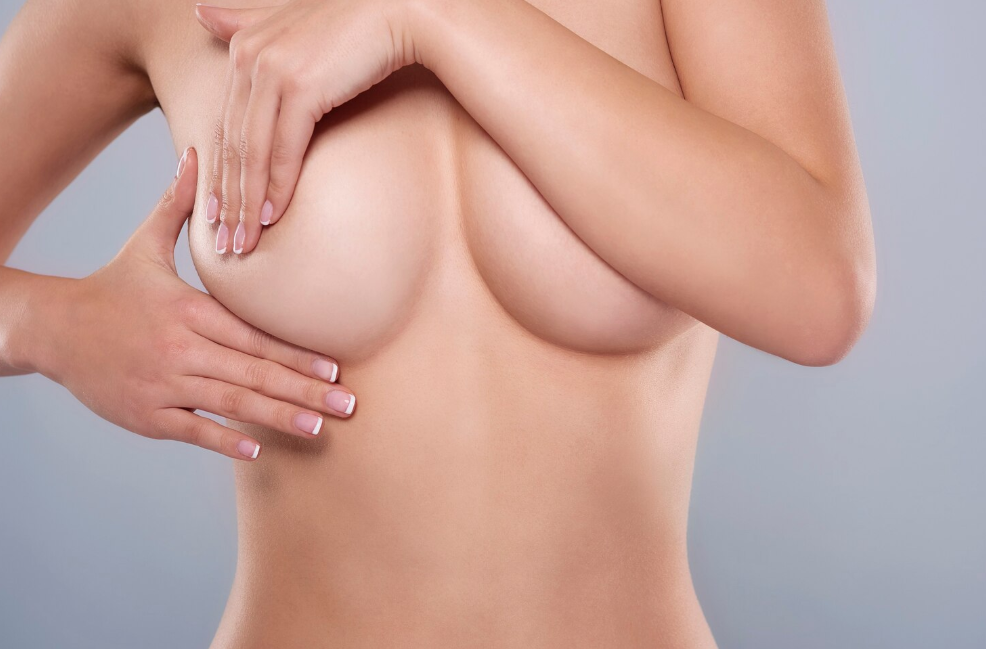
Breast Asymmetry Correction in Korea is a specialized plastic surgery procedure designed to balance the size, shape, and position of the breasts. This can be achieved through a combination of breast augmentation, reduction, lift, or fat grafting, depending on the patient’s needs.
Korean plastic surgeons are internationally recognized for their precision, natural-looking results, and ability to create symmetry while preserving aesthetics, making Korea a top destination for this procedure.
Purpose & Benefits
The main goal of breast asymmetry correction is to achieve harmonious and proportionate breasts, improving both appearance and self-confidence.
Key Benefits:
- Corrects differences in breast size, shape, or nipple position
- Enhances overall body proportion and balance
- Can improve posture and comfort in clothing
- Boosts self-esteem and body image
- Customizable approach tailored to each patient’s anatomy and goals
Ideal Candidates
Breast asymmetry correction is suitable for individuals who:
- Have noticeable differences in breast size, shape, or nipple placement
- Are post-pregnancy or post-mastectomy patients with asymmetry
- Seek improved breast aesthetics and proportionality
- Are healthy and have realistic expectations
Possible Risks & Complications
Although safe when performed by experienced Korean surgeons, potential risks include:
- Minor scarring
- Swelling or bruising
- Changes in nipple sensation
- Infection or delayed wound healing (rare)
- Slight asymmetry requiring minor adjustments
- Complications related to anesthesia (rare)
Surgical Techniques Used
Korean surgeons employ advanced techniques to restore breast symmetry:
- Breast Augmentation: Using implants to match size and volume
- Breast Reduction: Removing excess tissue to achieve balance
- Breast Lift (Mastopexy): Corrects nipple position and reshapes breasts
- Fat Grafting: Enhances volume and corrects contour irregularities
- Combination Procedures: Tailored approaches to achieve optimal symmetry
- Minimally Invasive Incisions: Reduces visible scars while maximizing aesthetic outcomes
Recovery & Aftercare
- Light activities can resume in 1–2 weeks
- Swelling and bruising generally subside in 2–3 weeks
- Compression bras are recommended for 4–6 weeks
- Avoid heavy lifting or chest strain for 4–6 weeks
- Follow-up visits ensure proper healing, breast symmetry, and shape
Results & Longevity
- Immediate improvement in breast symmetry and contour
- Long-lasting results with proper post-operative care
- Korean surgeons focus on natural proportion, soft contour, and minimal scarring
- Can be refined with secondary procedures such as fat grafting or minor touch-ups
Treatment Process in Korea
Korea is a leading destination for breast asymmetry correction due to advanced surgical techniques, meticulous planning, and patient-focused care:
- Consultation & Assessment: Evaluate breast differences, tissue quality, and patient goals
- Customized Surgical Plan: Determine whether augmentation, reduction, lift, fat grafting, or a combination is needed
- Surgical Procedure: Conducted under general anesthesia, using minimally invasive techniques for symmetry
- Post-Operative Care: Compression garments, activity restrictions, and wound care
- Follow-Up Visits: Monitor healing, symmetry, and aesthetic outcomes
- Optional Combination Procedures: Secondary fat grafting or touch-ups for optimal results
- Medical Tourism Support: English-speaking coordinators, recovery accommodations, and guidance for international patients
Cost Range
The cost of breast asymmetry correction in Korea varies depending on the procedure complexity:
- Breast Augmentation or Reduction Alone: ₩7,000,000 – ₩12,000,000 KRW
(Approx. $5,200 – $9,000 USD) - Combination Procedures (Lift + Fat Grafting): ₩12,000,000 – ₩20,000,000 KRW
(Approx. $9,000 – $15,400 USD) - Post-Reconstruction or Revision Cases: ₩18,000,000 – ₩30,000,000 KRW
(Approx. $13,800 – $23,000 USD)
Additional Costs:
- Pre-operative consultation and imaging: ₩100,000 – ₩400,000 KRW ($75 – $300 USD)
- Compression garments and medications: ₩150,000 – ₩400,000 KRW ($115 – $300 USD)
- Follow-up visits or minor touch-ups: ₩50,000 – ₩200,000 KRW ($40 – $150 USD)
Popular Clinics
Top Korean clinics for breast asymmetry correction include:
- Banobagi Plastic Surgery Clinic – expert in personalized symmetry corrections
- JK Plastic Surgery Center – internationally accredited, precision breast reshaping
- ID Hospital Seoul – advanced combination techniques for natural balance
- View Plastic Surgery Hospital – focuses on proportionality, contour, and soft aesthetics
- Regen Plastic Surgery – integrates augmentation, lift, and fat grafting for optimal results


