
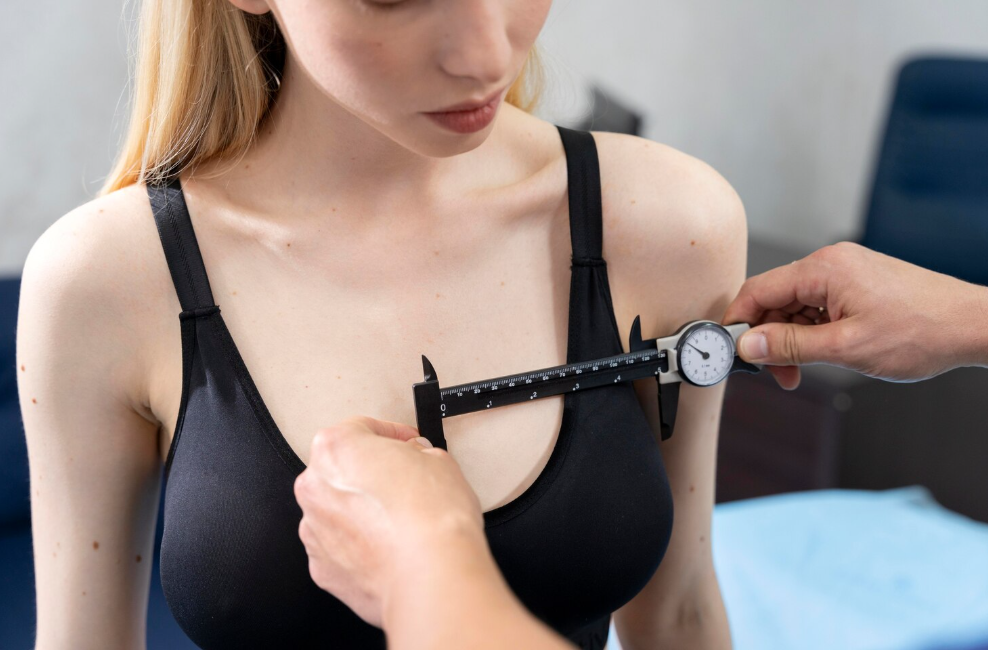
Treatment Overview
Delayed Breast Reconstruction Revision in Korea is a surgical procedure designed to correct or improve previous breast reconstruction outcomes that were performed after mastectomy. Unlike immediate reconstruction, delayed reconstruction occurs months or years after the initial surgery and may involve implant adjustment, flap revision, or combination procedures.
Korean plastic surgeons are internationally recognized for their precision, advanced microsurgical techniques, and aesthetic expertise, making Korea a leading destination for delayed breast reconstruction revision.
Purpose & Benefits
The main goal of delayed reconstruction revision is to restore natural breast shape, symmetry, and aesthetic appearance, addressing issues from previous surgeries.
Key Benefits:
- Corrects asymmetry, implant malposition, or flap irregularities
- Restores breast contour and volume
- Enhances symmetry with the opposite breast
- Can include nipple-areola reconstruction, fat grafting, or implant replacement
- Improves patient confidence and body image
- Minimizes scarring using advanced Korean techniques
Ideal Candidates
Delayed breast reconstruction revision is suitable for patients who:
- Had a previous breast reconstruction and are dissatisfied with shape or symmetry
- Experienced complications such as implant malposition, flap necrosis, or volume loss
- Seek improved aesthetics after mastectomy
- Are healthy and have realistic expectations
Possible Risks & Complications
While Korean clinics are highly advanced, potential risks include:
- Swelling, bruising, or tenderness
- Infection or delayed wound healing
- Minor asymmetry requiring secondary touch-ups
- Changes in nipple or breast sensation
- Flap complications if autologous tissue is used
- Rare anesthesia-related risks
Surgical Techniques Used
Korean surgeons employ advanced techniques tailored to the patient’s previous reconstruction:
- Implant Revision or Replacement: Corrects malposition or size discrepancies
- Autologous Flap Revision: Adjusts volume, contour, or flap placement
- Fat Grafting: Enhances soft tissue, smooths irregularities, and improves symmetry
- Nipple-Areola Complex Reconstruction: Restores natural appearance when needed
- Combination Procedures: Tailored approaches using implants, flaps, or fat grafting
- Minimally Invasive Incisions: Strategic placement to reduce visible scarring
Recovery & Aftercare
- Light activities can usually resume within 1–2 weeks
- Swelling and bruising subside within 2–3 weeks
- Compression garments recommended for 4–6 weeks
- Avoid heavy lifting or strenuous activity for 4–6 weeks
- Regular follow-ups monitor healing, breast symmetry, and aesthetic outcomes
Results & Longevity
- Immediate improvement in breast symmetry and contour
- Long-lasting results with proper post-operative care
- Korean surgeons emphasize natural shape, minimal scarring, and soft breast contour
- Results can be further refined with secondary fat grafting or minor revisions
Treatment Process in Korea
Korea is a top destination for delayed breast reconstruction revision due to advanced surgical expertise, comprehensive planning, and patient-centered care:
- Consultation & Assessment: Evaluate previous reconstruction, breast tissue, and patient goals
- Customized Surgical Plan: Determine if implant, flap, fat grafting, or combination procedures are needed
- Surgical Procedure: Conducted under general anesthesia with minimally invasive techniques
- Post-Operative Care: Compression, wound care, and activity guidance
- Follow-Up Visits: Monitor healing, symmetry, and aesthetic outcome
- Optional Combination Procedures: Include nipple reconstruction or fat grafting for refinement
- Medical Tourism Support: English-speaking coordinators, recovery accommodations, and guidance for international patients
Cost Range
The cost of delayed breast reconstruction revision in Korea varies based on complexity:
- Implant-Based Revision: ₩8,000,000 – ₩15,000,000 KRW
(Approx. $6,100 – $11,500 USD) - Autologous Flap Revision (DIEP, TRAM, Latissimus Dorsi): ₩15,000,000 – ₩30,000,000 KRW
(Approx. $11,500 – $23,000 USD) - Combination Procedures (Fat Grafting, Nipple Reconstruction): ₩5,000,000 – ₩10,000,000 KRW
(Approx. $3,800 – $7,600 USD)
Additional Costs:
- Pre-operative consultation and imaging: ₩150,000 – ₩400,000 KRW ($115 – $300 USD)
- Hospital stay and medications: ₩2,000,000 – ₩5,000,000 KRW ($1,500 – $3,800 USD)
- Follow-up visits or minor touch-ups: ₩50,000 – ₩200,000 KRW ($40 – $150 USD)
Popular Clinics
Top Korean clinics for delayed breast reconstruction revision include:
- Banobagi Plastic Surgery Clinic – advanced revision and microsurgical flap expertise
- JK Plastic Surgery Center – internationally accredited, precision revision techniques
- ID Hospital Seoul – comprehensive approach for complex delayed reconstruction
- View Plastic Surgery Hospital – focuses on symmetry, contour, and minimal scarring
- Regen Plastic Surgery – integrates fat grafting, nipple reconstruction, and implant adjustments for optimal results


