
Treatment Overview
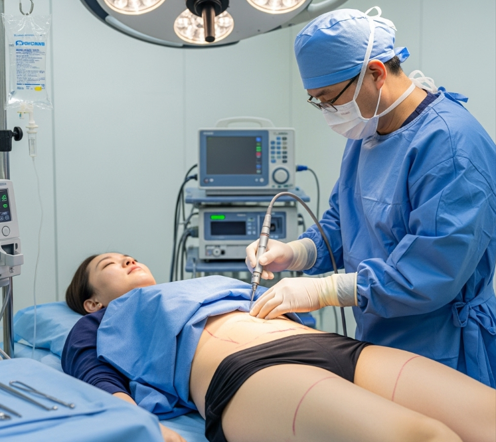
Abdominoplasty with Cellulite Reduction in Korea is a combined body contouring procedure designed to remove excess abdominal skin, tighten underlying muscles, and smooth dimpled cellulite for a firmer, more youthful-looking midsection. Unlike simple fat removal, this treatment addresses both skin laxity and cellulite irregularities, offering a comprehensive solution for patients who want a smoother abdominal contour with long-lasting results.
Korean plastic surgeons are highly regarded for their precision in advanced abdominoplasty techniques, often incorporating cellulite-targeting technologies such as subcision, laser-assisted devices, or radiofrequency (RF) skin tightening. By combining skin removal, abdominal tightening, and cellulite correction, clinics in Korea deliver natural, balanced results with discreet scarring and high patient satisfaction.
Purpose & Benefits
- Excess Skin Removal: Eliminates loose, sagging abdominal skin.
- Cellulite Smoothing: Targets dimpled, uneven skin texture.
- Muscle Tightening: Repairs stretched or separated abdominal muscles (diastasis recti).
- Improved Waistline: Enhances torso proportions and contour.
- Youthful Silhouette: Restores a firmer, toned midsection.
- Confidence Boost: Improves body image in swimwear, fitted clothes, and intimate settings.
Ideal Candidates
- Men and women with sagging abdominal skin due to weight loss, pregnancy, or aging.
- Patients with noticeable cellulite in the abdominal region.
- Adults in stable health and near their ideal weight.
- Individuals with realistic expectations about scarring and downtime.
- Non-smokers committed to healthy recovery.
Possible Risks & Complications
- Temporary swelling, bruising, or soreness.
- Mild numbness or sensitivity around incision areas.
- Visible scars (usually concealed below bikini line).
- Fluid accumulation (seroma) requiring drainage.
- Irregular contour or skin tension (rare with skilled surgeons).
- Rare complications: infection, hematoma, delayed healing.
Techniques Used
- Traditional Abdominoplasty: Removes excess skin and tightens abdominal muscles.
- Mini Abdominoplasty (if suitable): Targets lower abdomen only, with smaller incision.
- Cellulite Subcision: Releases fibrous bands causing skin dimpling.
- Laser- or Ultrasound-Assisted Devices: Smooth cellulite and stimulate collagen.
- Radiofrequency (RF) Tightening (Optional): Improves skin firmness and elasticity.
- Scar-Minimizing Suturing: Incisions placed low on the abdomen for discretion.
Recovery & Aftercare
- 1–2 weeks: Noticeable reduction in swelling and bruising.
- Compression Garment: Worn for 4–6 weeks to support healing and shaping.
- 1–2 weeks: Return to desk work and light daily activities.
- 4–6 weeks: Resume moderate exercise (avoid abdominal strain initially).
- 3–6 months: Final contour visible as swelling subsides.
Aftercare Guidelines:
- Wear compression garments as advised.
- Maintain stable weight for lasting results.
- Avoid heavy lifting or abdominal workouts in early recovery.
- Gentle lymphatic massage may help reduce swelling.
- Attend scheduled follow-ups for scar care and contour refinement.
Results & Longevity
- Smoother abdominal skin with reduced cellulite dimpling.
- Tighter, flatter, and firmer midsection.
- Restored muscle tone and core support.
- Long-lasting results (10+ years) with healthy lifestyle.
- Enhanced confidence in both casual and formal attire.
Treatment Process in Korea
Initial Consultation & Assessment
- Surgeons evaluate skin laxity, fat deposits, muscle condition, and cellulite severity.
- Customized surgical plan created, often combining abdominoplasty with cellulite treatment.
Surgical Planning & Preparation
- Low abdominal incision mapped for discreet scar placement.
- General anesthesia or local with sedation depending on extent.
Procedure Day
- Excess skin removed, muscles tightened.
- Cellulite treated via subcision, laser, or RF devices.
- Scar minimized with layered suturing techniques.
Post-Operative Monitoring
- Compression garment applied immediately.
- Most patients discharged within 1–2 days (depending on surgery extent).
Follow-Up & Refinement
- Regular check-ups at 1 week, 1 month, and 3–6 months.
- Refinements may include scar-care treatments or additional RF tightening.
Why Korea is a Top Destination
- Highly skilled surgeons experienced in advanced body contouring.
- Cutting-edge technologies: cellulite subcision, laser & RF tightening.
- Customized treatment plans for both skin tightening and cellulite smoothing.
- Clinics provide 3D imaging, scar-care, and comprehensive aftercare programs.
- More affordable compared to Western countries, with globally recognized precision.
Cost Range
The cost of Abdominoplasty with Cellulite Reduction in Korea varies by the extent of surgery, cellulite treatment method, and clinic reputation.
- Mini Abdominoplasty (Lower Abdomen Only): USD $5,500 – $7,500
- Full Abdominoplasty (with Muscle Repair): USD $7,500 – $11,000
- Abdominoplasty + Cellulite Subcision/Treatment: USD $9,000 – $13,500
- Extended Abdominoplasty (Waist + Flanks + Cellulite Reduction): USD $11,000 – $15,000
- Premium Clinics (3D Imaging, VIP Aftercare, Scar-Care): USD $12,000 – $18,000
Additional Costs:
- Consultation & imaging: USD $100 – $300
- Compression garments: USD $150 – $250
- Medications & aftercare: USD $150 – $300
Popular Clinics
- Banobagi Plastic Surgery (Seoul): Specialists in body contouring with cellulite correction.
- ID Hospital (Seoul): Known for combined abdominoplasty and advanced skin-smoothing.
- JK Plastic Surgery Center (Seoul): JCI-accredited, offering safe and refined results.
- View Plastic Surgery Clinic (Seoul): Experts in skin tightening with laser and RF.
- JW Plastic Surgery (Seoul): Leaders in comprehensive abdominal contouring and cellulite treatment.


