
Treatment Overview
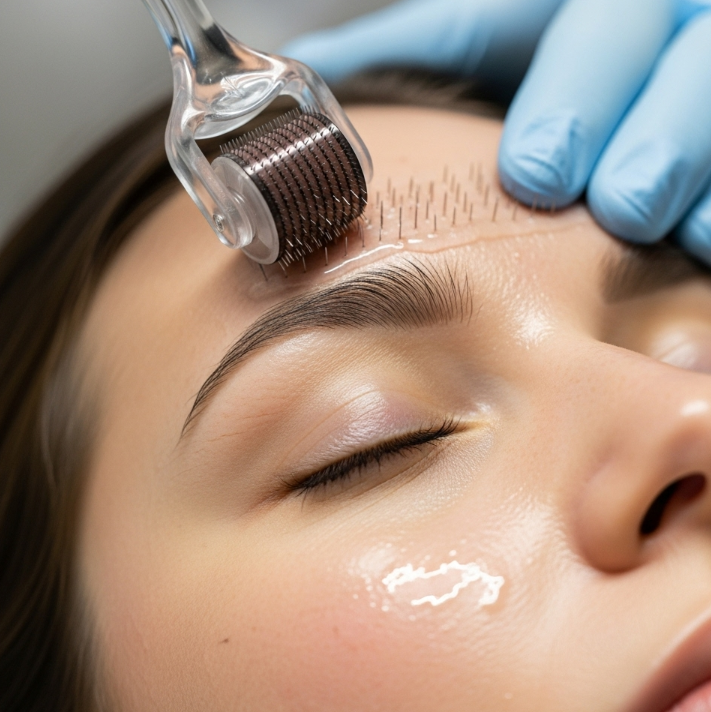
Collagen Induction Therapy (CIT), widely known as microneedling, is a minimally invasive cosmetic procedure using fine needles to create controlled micro-injuries in the skin. These micro-injuries trigger the skin’s natural wound-healing cascade, fostering the production of collagen and elastin for rejuvenated, firmer, and more elastic skin.
In Korea, CIT is highly esteemed for its precision, safety, and refined outcomes. Korean dermatologists often enhance this method with advanced boosters—such as growth factors, peptides, and hyaluronic acid—making it a top choice for individuals seeking natural rejuvenation with minimal downtime.
Purpose & Benefits
- Collagen & Elastin Stimulation: Enhances skin firmness, resilience, and smoothness.
- Scar & Stretch Mark Improvement: Helps reduce the appearance of acne scars, surgical marks, and stretch marks.
- Fine Line & Wrinkle Reduction: Softens early aging signs like crow’s feet and smile lines.
- Pore & Texture Refinement: Minimizes enlarged pores and uneven skin texture.
- Tone Brightening: Can improve overall complexion with continued treatments.
- Natural-Looking Results: Encourages gradual, authentic skin regeneration.
Ideal Candidates
- Individuals with mild to moderate acne scars, stretch marks, or textural concerns.
- Patients showing early signs of aging, including fine lines and laxity.
- People seeking non-surgical rejuvenation with visible yet natural improvements.
- Adults who are committed to proper aftercare and follow realistic expectations.
Possible Risks & Complications
- Mild redness, swelling, or pinpoint bleeding, resembling a sunburn.
- Temporary dryness, flaking, or sensitivity during the initial healing.
- Small risk of post-inflammatory hyperpigmentation, especially in darker skin types.
- Rare but possible infection or allergy if hygiene protocols aren’t strictly followed.
- Slight chance of uneven texture improvement if sessions are inconsistent or improperly spaced.
Techniques Used
- Microneedling Device: Manual rollers or automated pens with adjustable needle depths (0.5–2.5 mm).
- Layered Treatment: Multiple passes over problem areas ensure even coverage.
- Product Enhancement: Often combined with topical boosters like PRP, HA, or peptides to enhance healing.
- Fractional Delivery: Technology allows precise control over depth and intensity based on concern areas.
- Integrated Therapies: May be paired with laser, LED, or PRP for synergistic effects.
Recovery & Aftercare
- Day 1–2: Mild redness, tenderness, or swelling—comparable to a mild burn.
- Day 3–5: Skin begins regenerating; slight flaking or peeling may appear.
- 1 Week: Substantial improvement in texture and smoother complexion.
- 2–4 Weeks: Deeper collagen remodeling and firmer skin become noticeable.
Aftercare Guidelines:
- Avoid makeup, scrubs, saunas, and excessive sun exposure for the first 24–48 hours.
- Clean gently and apply hydrating, soothing serums (e.g., hyaluronic acid).
- Always use broad-spectrum sunscreen to protect healing skin.
- Follow up with scheduled treatments to maintain and deepen results.
Results & Longevity
- Early improvement in texture and glow within a week.
- Noticeable firming and scar improvement over 4–8 weeks as collagen develops.
- Results tend to last 6–12 months, especially with a series of treatments.
- Long-term benefits include smoother, more resilient, and evenly toned skin.
Treatment Process in Korea
1. Consultation & Skin Mapping
- Dermatologist assesses scar depth, skin type, and healing response.
- Personalized treatment plan created—often with digital imaging.
2. Treatment Day
- Numbing cream applied for patient comfort.
- Microneedling passes executed to desired depth and density.
- Optional boosters (PRP, HA) applied directly onto treated areas.
- Session duration: typically 45–75 minutes.
3. Post-Treatment Calming
- Cool compress or LED therapy used to soothe the skin.
- Most clients leave the clinic the same day with minimal recovery needed.
4. Follow-Up & Maintenance
- Follow-up visit around 2–4 weeks post-treatment.
- A typical series involves 3–6 sessions spaced 4–6 weeks apart.
- Yearly maintenance recommended to uphold and enhance results.
Why Korea is a Top Destination
- Clinics offer expert microneedling using state-of-the-art devices with safety and precision.
- Availability of high-quality topical boosters to amplify healing.
- Emphasis on subtle, elegant, and natural-looking skin improvement.
- Outstanding results at competitive pricing—often more cost-effective than Western clinics.
- International-friendly services in Seoul with English-speaking staff and seamless aftercare.
Cost Range
Estimated Pricing:
- Per Session: USD $250 – $600
- Package of 3 Sessions: USD $750 – $1,700
- Premium Packages (with PRP or customized serums): USD $1,200 – $2,500
Additional Costs:
- Consultation & Digital Imaging: USD $40 – $120
- Aftercare Products (serums or SPF): USD $50 – $150
Popular Clinics
- Banobagi Plastic Surgery (Seoul): Trusted for scar and rejuvenation treatments.
- ID Dermatology (Seoul): Known for combining microneedling with PRP or boosters.
- View Clinic (Seoul): Offers precision skin mapping and tailored treatment plans.
- JW Plastic Surgery (Seoul): Premium microneedling protocols with advanced tech.
- Oracle Skin Clinic (Nationwide): Accessible branches and international-ready services.


