
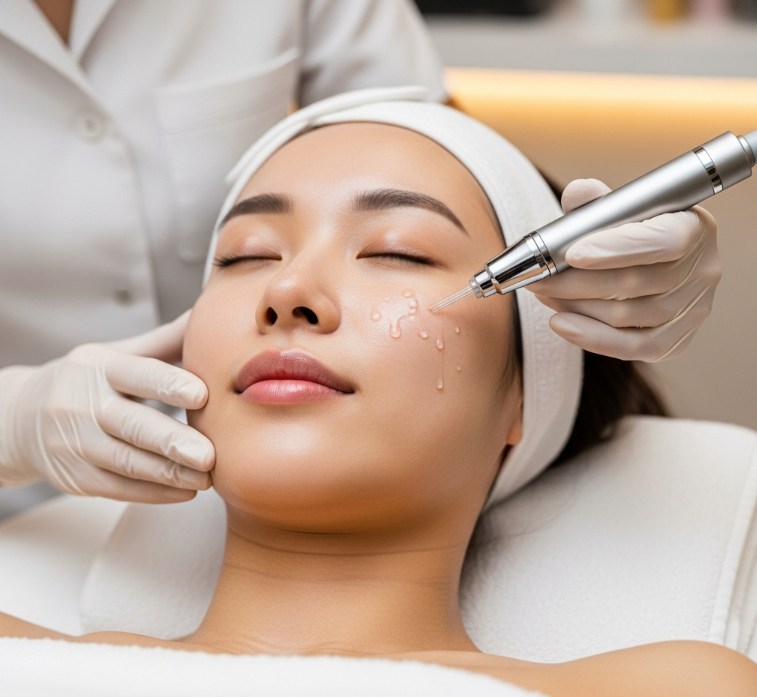
Treatment Overview
FreshBloom GF Therapy is a growth factor–based skin rejuvenation treatment in Korea designed to restore freshness, radiance, and youthful vitality. Using the FreshBloom GF cocktail, which combines epidermal growth factors (EGF), fibroblast growth factors (FGF), hyaluronic acid, peptides, amino acids, and antioxidants, this therapy revitalizes skin at a cellular level.
Unlike fillers, which enhance volume, FreshBloom GF Therapy promotes cellular regeneration, hydration, and natural glow, making it ideal for those who want a fresh, blooming complexion aligned with the K-beauty standard of radiant, healthy skin.
Purpose & Benefits
- Fresh Radiance: Brings out a glowing, youthful appearance.
- Cellular Renewal: Growth factors stimulate repair and skin regeneration.
- Hydration & Plumpness: Hyaluronic acid restores dermal water balance.
- Firmness & Elasticity: Boosts collagen and elastin activity.
- Fine Line Reduction: Smooths early wrinkles caused by dryness or aging.
- Even Skin Tone: Helps reduce pigmentation and dullness.
- Long-Term Skin Health: Strengthens resilience and prevents premature aging.
Ideal Candidates
- Adults with dull, dehydrated, or tired skin.
- Patients experiencing fine lines, uneven tone, or early signs of aging.
- Individuals who want hydration and glow without fillers.
- Men and women seeking non-surgical skin rejuvenation.
- Those committed to multi-session programs for best results.
Possible Risks & Complications
- Mild redness, swelling, or pinprick marks (1–3 days).
- Temporary bruising or tenderness.
- Rare puffiness if overhydrated.
- Minimal infection risk if post-treatment care is neglected.
- Very rare allergic sensitivity to GF formulations.
Techniques Used
- FreshBloom GF Cocktail: A blend of growth factors, HA, peptides, and antioxidants.
- Microinjections / Mesotherapy Method: Even distribution across the dermis.
- Microneedling + GF Therapy: Enhances absorption and collagen stimulation.
- Aqua Injector Delivery: Korean device ensures precise, comfortable infusion.
- Combination Therapy: Often paired with PRP, exosomes, or laser toning for enhanced results.
Recovery & Aftercare
Day 1–2: Mild redness, swelling, or sensitivity.
Day 3–5: Skin feels plumper, fresher, and more hydrated.
Week 1–2: Glow, firmness, and refined texture become visible.
Aftercare Guidelines:
- Avoid alcohol, sauna, and heavy makeup for 24–48 hours.
- Apply soothing creams and hydrating serums daily.
- Use SPF consistently to protect rejuvenated skin.
- Drink plenty of water to support skin repair.
- Schedule maintenance sessions as advised.
Results & Longevity
- Immediate freshness and hydration post-treatment.
- Progressive radiance, elasticity, and smoothness within 1–2 weeks.
- Results typically last 6–12 months, depending on lifestyle and skin condition.
- Optimal results with 2–3 sessions initially, followed by maintenance every 6–9 months.
Treatment Process in Korea
Korea is world-renowned for growth factor–based regenerative treatments, and FreshBloom GF Therapy is among the most popular choices for achieving natural radiance.
Consultation & Skin Analysis
Dermatologists assess hydration, elasticity, and pigmentation using advanced imaging systems. A FreshBloom GF plan is tailored to the patient’s needs.
Treatment Day
Skin is cleansed, numbing cream applied, and the GF cocktail delivered into the dermis through microinjections, microneedling, or aqua injectors. Session length: 30–40 minutes.
Post-Treatment Care
Cooling masks, LED therapy, or oxygen infusions may be applied. Patients usually return to their daily activities the same day.
Why Korea is a Top Destination
- Exclusive FreshBloom GF formulas developed in Korean clinics.
- Dermatologists specialize in glow-focused cellular rejuvenation.
- Treatments emphasize fresh, natural radiance rather than drastic changes.
- More affordable than Western clinics while offering world-class innovation.
- Clinics provide English-speaking staff, premium aftercare, and international-friendly services.
Cost Range
The cost of FreshBloom GF Therapy in Korea varies by formulation, clinic reputation, and package type:
- Single Session (FreshBloom GF cocktail): ₩300,000 – ₩600,000 (~USD $230–$460).
- Full-Face Bloom Package (2–3 vials): ₩900,000 – ₩1,400,000 (~USD $690–$1,070).
- 3-Session Package: ₩2,200,000 – ₩3,400,000 (~USD $1,690–$2,615).
- Premium Package (GF + PRP/Exosomes): ₩3,500,000 – ₩5,000,000 (~USD $2,700–$3,850).
Additional Costs:
- Consultation & Imaging: ₩30,000 – ₩70,000 (~USD $20–$50).
- Aftercare skincare (SPF, hydrating creams, serums): ₩50,000 – ₩150,000 (~USD $40–$120).
Popular Clinics
- Banobagi Plastic Surgery (Seoul): Known for glow-focused GF treatments.
- ID Dermatology (Seoul): Customized FreshBloom GF Renewal programs.
- View Clinic (Seoul): Combines GF therapy with PRP or exosomes.
- JW Plastic Surgery (Seoul): Premium FreshBloom anti-aging protocols.
- Oracle Skin Clinic (Nationwide): Affordable, international-friendly GF therapy services.


