
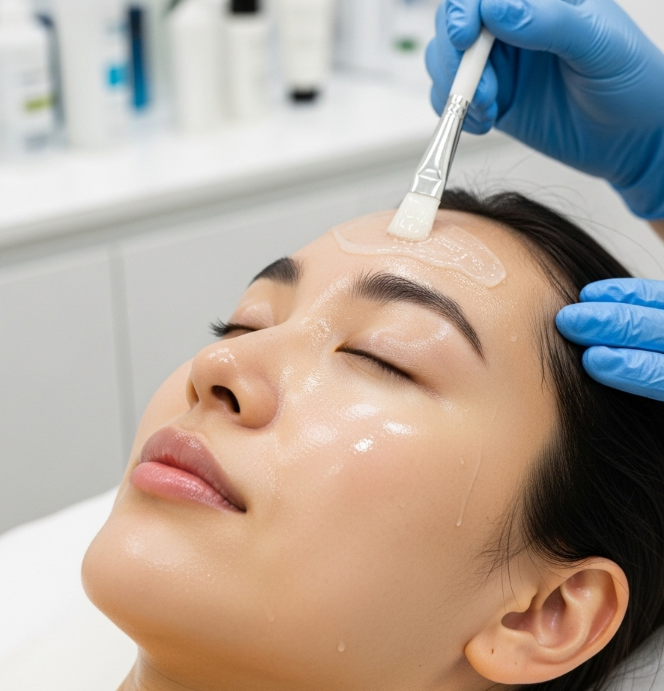
Treatment Overview
Glass Skin Resurfacing is a signature Korean skin rejuvenation treatment designed to achieve the world-famous “glass skin” look—clear, smooth, poreless, and luminous. Using advanced resurfacing methods such as fractional CO₂ laser, Er:YAG laser, or microneedling RF, combined with hydrating boosters and brightening serums, this treatment gently removes damaged skin layers, improves texture, and stimulates collagen production.
Unlike harsh resurfacing methods abroad, Glass Skin Resurfacing in Korea emphasizes hydration, translucence, and natural rejuvenation. The result is silky-smooth skin with refined pores and radiant clarity, making it one of the most popular non-surgical treatments for both Koreans and international patients.
Purpose & Benefits
- Glass Skin Effect: Achieves a clear, poreless, and radiant complexion.
- Texture Refinement: Smooths rough patches and uneven surfaces.
- Collagen Boost: Improves elasticity and firmness.
- Scar & Wrinkle Softening: Reduces acne scars, fine lines, and early wrinkles.
- Pigmentation Lightening: Helps fade melasma, sun spots, and acne marks.
- Pore Minimization: Shrinks enlarged pores for a flawless finish.
- Radiance & Hydration: Restores a youthful, luminous glow.
Ideal Candidates
- Adults who want the K-beauty “glass skin” effect.
- Patients with pigmentation, acne scars, or enlarged pores.
- Individuals with fine lines, mild sagging, or dull skin.
- Men and women looking for non-surgical yet highly effective rejuvenation.
- Those open to multi-session treatments for progressive glow.
Possible Risks & Complications
- Temporary redness, swelling, or sunburn-like warmth for 1–3 days.
- Light peeling or flaking during healing (3–7 days).
- Slight risk of hyperpigmentation if SPF is not used consistently.
- Rare complications: prolonged irritation, infection, or scarring (minimized with Korean protocols).
Surgical Techniques Used
- Fractional CO₂ Laser: Penetrates deeply to smooth scars, wrinkles, and pigmentation.
- Er:YAG Laser Resurfacing: Precise and gentle for polishing skin texture and fine lines.
- Microneedling RF: Boosts collagen remodeling and tightening for pore refinement.
- Hydration-Boosting Infusions: Hyaluronic acid, peptides, exosomes, or PRP applied immediately post-resurfacing for rapid recovery and glow.
- Customized Protocols: Korean dermatologists adjust depth, intensity, and serums for each patient’s skin type.
- Combination Therapy: Often paired with LED therapy, PRP, or exosome boosters to maximize translucence and radiance.
Recovery & Aftercare
Day 1–3: Redness, mild swelling, or warmth.
Day 3–7: Light peeling as new skin emerges.
Week 1–2: Clearer, smoother, and brighter skin becomes visible.
Aftercare Guidelines:
- Apply soothing creams and hydrating serums daily.
- Avoid exfoliants, retinoids, or scrubs for at least 1 week.
- Always wear SPF to protect renewed skin.
- Avoid sauna, alcohol, or intense exercise for 48 hours.
- Stay hydrated and follow dermatologist-prescribed aftercare.
Results & Longevity
- Immediate: Fresher, softer skin after the first treatment.
- Short-Term: Noticeable glow, clarity, and pore refinement within 1–2 weeks.
- Long-Term: With 3–5 sessions, scars fade, pigmentation lightens, and skin maintains a glass-like translucence for 9–12 months. Maintenance sessions every 9–12 months extend results.
Treatment Process in Korea
1. Consultation & Skin Analysis
Dermatologists analyze pores, pigmentation, and texture using digital imaging. A custom resurfacing plan is designed.
2. Treatment Day
Topical numbing cream is applied. Fractional CO₂, Er:YAG, or microneedling RF is performed depending on concerns. Hydrating serums, PRP, or exosomes are applied post-treatment. Duration: 40–60 minutes.
3. Post-Treatment Care
LED light therapy, cooling masks, or soothing essences are provided to calm redness and speed recovery.
4. Follow-Up & Maintenance
3–5 sessions spaced 4–6 weeks apart are recommended for best results, with maintenance treatments every 9–12 months.
Why Korea is a Top Destination
- Global leader in glass skin treatments and advanced resurfacing methods.
- Dermatologists skilled in balancing resurfacing with hydration for natural results.
- Unique use of serum infusions and regenerative boosters post-resurfacing.
- More affordable compared to Western clinics while maintaining world-class standards.
- International-friendly clinics in Seoul with English-speaking staff and luxury aftercare.
Cost Range
The cost of Glass Skin Resurfacing in Korea varies based on the clinic, device, and package chosen.
Estimated Pricing (per session):
- Fractional CO₂ or Er:YAG Laser: USD $300 – $600
- Microneedling RF Add-On: USD $200 – $400
- Standard Glass Skin Resurfacing (Laser + Serum Infusion): USD $400 – $700
Package Pricing:
- 3-Session Basic Package (Resurfacing + Hydrating Serums): USD $1,000 – $1,600
- 3-Session Premium Package (Resurfacing + RF + PRP/Exosomes): USD $1,600 – $2,400
- 5-Session Luxury Package (Full protocol + LED + PRP + Exosome Boost): USD $2,500 – $4,000
Additional Costs:
- Consultation & Skin Imaging: USD $30 – $100
- Aftercare Skincare (SPF, serums, healing creams): USD $40 – $150
- LED Therapy Add-On: USD $50 – $100 per session
- PRP / Exosome Upgrade: USD $300 – $600 per session
Popular Clinics
- Banobagi Plastic Surgery (Seoul): Leaders in glass skin resurfacing programs.
- ID Dermatology (Seoul): Combines resurfacing with PRP for enhanced translucence.
- View Clinic (Seoul): Known for premium glass skin protocols with exosome boosters.
- JW Plastic Surgery (Seoul): Premium resurfacing and lifting programs.
- Oracle Skin Clinic (Nationwide): Affordable, global-friendly resurfacing services.


