
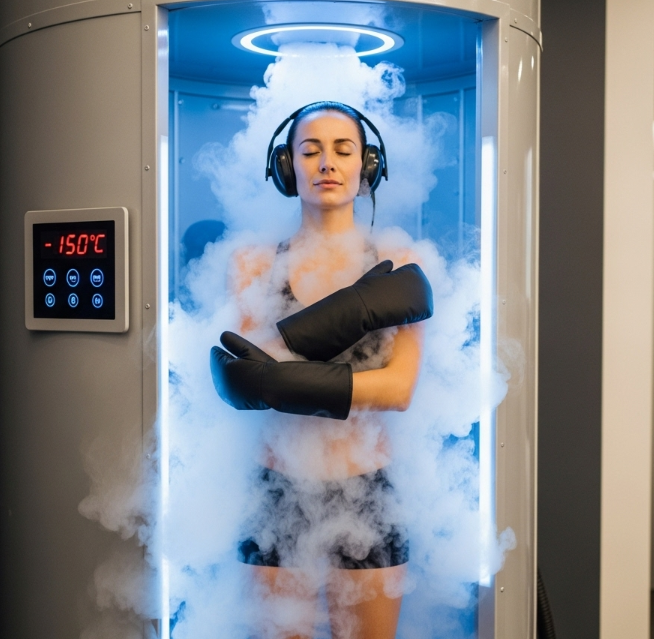
Treatment Overview
Cryo Therapy (also known as Cryotherapy or Cold Therapy) is a Korean dermatology treatment that uses extreme cold — typically liquid nitrogen or advanced cryo devices — to treat skin concerns such as pigmentation, warts, age spots, and dullness caused by damaged or irregular skin cells. By freezing targeted areas, Cryo Therapy destroys abnormal or pigmented cells, stimulates skin renewal, and encourages healthier, clearer, and more radiant skin.
For dull skin, Cryo Therapy works by removing surface pigmentation, improving texture, and promoting cellular turnover, giving the skin a brighter and more refreshed appearance. It is often used as part of multi-step brightening and skin rejuvenation programs.
It belongs to the Skin Concerns: Pigmentation / Dull Skin / Lesion Removal family (Cryo Therapy, Laser Toning, Carbon Laser Peel, BB Laser, Chemical Peels):
- Cryo Therapy: Best for spot removal + pigment reduction + renewal.
- Laser Toning: Best for diffuse melasma and pigmentation.
- Carbon Laser Peel: Best for oil control + deep pore cleansing.
- BB Laser: Best for glow + tone refinement.
- Chemical Peels: Best for exfoliation + resurfacing dull skin.
Purpose & Benefits
- Pigmentation Removal: Targets sunspots, freckles, and hyperpigmented lesions.
- Skin Brightening: Reveals fresher, lighter skin after treated spots heal.
- Lesion Treatment: Effective for warts, age spots, and benign growths.
- Texture Improvement: Encourages cellular turnover for smoother skin.
- Dullness Reduction: Removes damaged surface cells for natural radiance.
- Synergy with Other Treatments: Often combined with Laser Toning or Rejuran for overall glow.
Ideal Candidates
Cryo Therapy in Korea is recommended for:
- Adults with dull skin due to sun damage, spots, or pigmentation.
- Patients with warts, age spots, freckles, or uneven texture.
- Those looking for targeted removal of stubborn skin imperfections.
Men and women comparing treatments:
- Cryo Therapy: Best for spot removal + pigmentation correction.
- Laser Toning: Best for widespread melasma or uneven tone.
- Carbon Laser Peel: Best for oily, congested dull skin.
- BB Laser: Best for “BB cream glow” and tone refinement.
- Chemical Peel: Best for overall resurfacing and brightness.
Possible Risks & Complications
Cryo Therapy is safe when performed by dermatologists, but mild side effects may include:
- Redness & Swelling: Temporary, fades within 1–3 days.
- Crusting or Scabbing: Natural healing of treated spots within 1–2 weeks.
- Temporary Pigment Changes: Lightening or darkening (usually resolves).
- Rare Risks: Scarring or prolonged pigment alteration (rare in expert hands).
Surgical Techniques Used
Cryo Therapy involves precise cold-based application:
- Liquid Nitrogen Spray or Probe: Applied directly to pigmented or damaged areas.
- Cryo Pen Devices: Targeted freezing for spot precision.
- Controlled Exposure: Seconds-long freezing to destroy abnormal cells.
- Combination Therapy: Often paired with brightening lasers or injectables.
- Protocol: Single or multiple sessions depending on pigmentation severity.
Recovery & Aftercare
- Immediately: Redness or slight stinging in treated areas.
- 1–3 Days: Crusting or scabbing may appear.
- 1–2 Weeks: Spots fall off naturally, revealing clearer skin.
Aftercare Tips:
- Do not pick or scratch treated areas.
- Apply soothing creams or doctor-recommended ointments.
- Use daily SPF 50+ to prevent post-treatment pigmentation.
- Avoid sauna, hot baths, or strong exfoliants for 5–7 days.
Results & Longevity
- Immediate: Redness or scabbing as healing begins.
- Short-Term (1–2 Weeks): Treated spots peel off, leaving clearer skin.
- Medium-Term (1–3 Months): Tone brightens as collagen renewal occurs.
- Long-Term: Permanent removal of treated lesions, though new pigmentation can develop without sun care.
Treatment Process in Korea
- Consultation & Skin Analysis – Doctor identifies spots, pigmentation, or dullness causes.
- Preparation – Cleansing and possible numbing for sensitive areas.
- Cryo Application – Targeted freezing with liquid nitrogen or cryo device.
- Optional Add-Ons – Laser toning, brightening serums, or PN boosters for synergy.
- Post-Care – Application of healing ointments and soothing skincare.
- Follow-Up – Sessions scheduled as needed for pigmentation or lesion removal.
Why Korea is a Top Destination
- Korean dermatology clinics are leaders in precise cryotherapy pigmentation removal.
- Clinics use advanced cryo devices for safe, targeted treatment.
- Dermatologists often combine Cryo Therapy with brightening lasers or boosters.
- More affordable compared to Western dermatology centers.
- Seoul is known for multi-step brightening programs that include cryotherapy.
Cost Range (Detailed Breakdown)
Pricing for Cryo Therapy in Korea varies depending on the number and size of treated areas:
- Single Spot Treatment: USD 30 – 80
- Multiple Spots / Full Face Pigmentation: USD 150 – 300
- Cryo + Laser Toning Combo: USD 200 – 400 per session
- Premium Brightening Package (Cryo + Rejuran + Exosomes + Laser): USD 1,000 – 1,800
Additional Costs in Korea:
- Consultation: USD 20 – 40
- Add-ons (Serums, PN boosters, Vitamin infusion): USD 50 – 200
💡 Patients often call Cryo Therapy the “spot eraser treatment”, as it removes stubborn lesions and restores clarity.
Popular Clinics
- Banobagi Dermatology (Seoul): Cryo Therapy + laser programs for pigmentation.
- Oracle Dermatology (Seoul): Specializes in cryotherapy for warts, freckles, and spots.
- Renewme Skin Clinic (Seoul): Offers cryotherapy with brightening serums.
- View Plastic & Dermatology (Seoul): Cryo Therapy with PN boosters for tone clarity.
- Chaum Anti-Aging Center (Seoul): Premium cryotherapy combined with multi-step anti-aging and glow protocols.


