
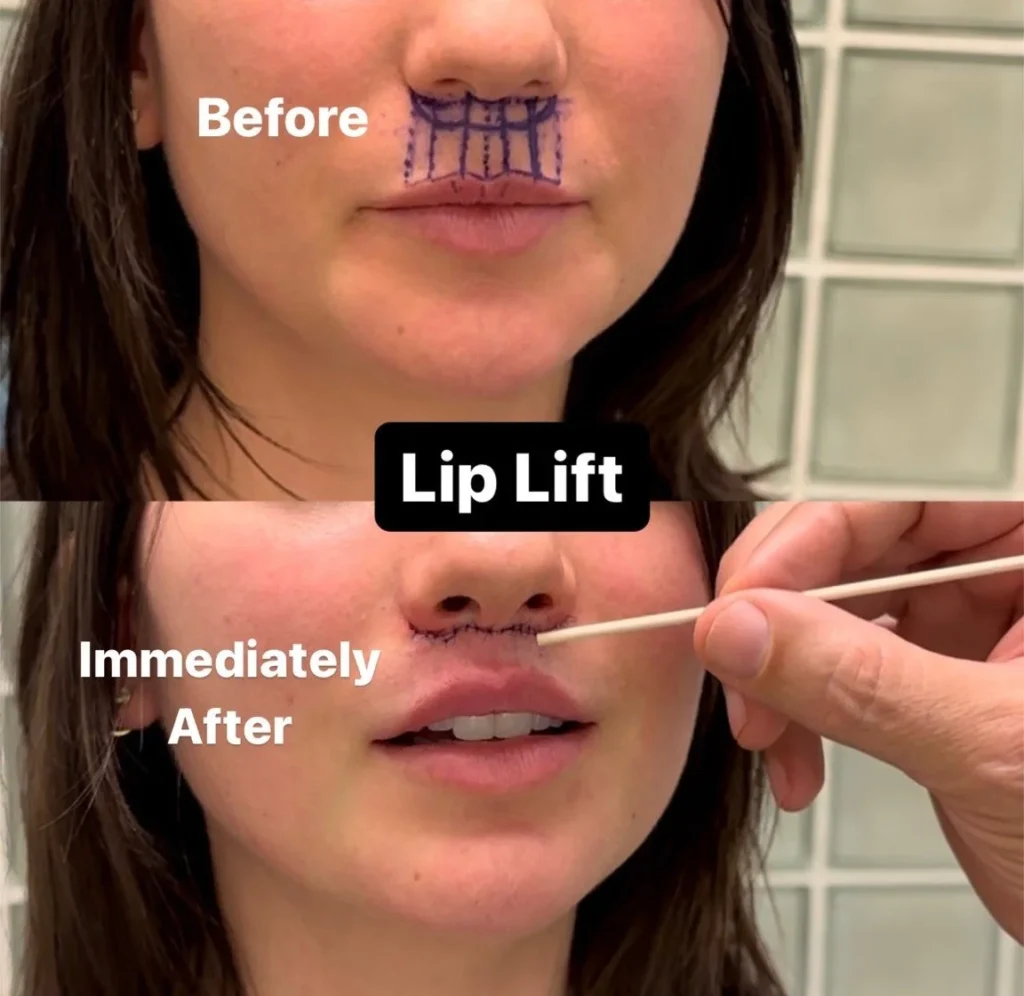
Cosmetic procedures like a lip lift offer powerful physical transformations—but they also come with emotional and psychological impacts that shouldn’t be overlooked. For patients considering a lip lift, mental health readiness is just as important as physical health when preparing for surgery.
In this guide, we’ll explore how mental health affects lip lift outcomes, signs you’re emotionally prepared, and tips for supporting your well-being before and after the procedure.
Why Mental Health Matters in Cosmetic Surgery
While a lip lift is a relatively minor outpatient procedure, it still requires:
- Managing expectations about results
- Dealing with temporary swelling or bruising
- Adjusting to changes in facial appearance
- Coping with the emotional recovery period
Patients with stable mental health tend to have:
- More realistic goals
- Better satisfaction with outcomes
- Healthier self-image after healing
- Stronger ability to cope with stress or side effects
Emotional Readiness: Key Questions to Ask Yourself
Before booking a lip lift, reflect on these important questions:
1. Why do I want this surgery?
Is it a personal decision based on your own aesthetic goals—or are you feeling pressure from a partner, social media, or external criticism?
💡 Healthy motivation: You want subtle, natural enhancement and improved facial harmony.
2. What do I expect from the results?
Do you expect a lip lift to make you feel more confident—or fix broader insecurities?
💡 Healthy expectation: The surgery will enhance your features, but it won’t change your identity or solve unrelated life challenges.
3. How do I typically handle stress or disappointment?
Are you able to stay calm and patient when things don’t go perfectly?
💡 Important: Healing takes time, and perfection isn’t immediate. You’ll need emotional resilience through the recovery period.
Mental Health Concerns to Discuss with Your Doctor
If you’ve been diagnosed with or are currently managing any mental health conditions, share that information during your lip lift consultation. Common areas to disclose include:
- Depression or anxiety
- Body dysmorphic disorder (BDD)
- History of eating disorders
- PTSD or trauma-related concerns
- Past negative experiences with cosmetic procedures
A trustworthy surgeon will not judge you—but may recommend additional psychological support or refer you to a mental health provider before proceeding.
Red Flags: When to Delay Surgery
Sometimes, it’s better to postpone a lip lift if you’re experiencing:
- Major life stress (loss, divorce, job changes)
- Recent emotional trauma
- Active symptoms of depression or anxiety
- Unrealistic expectations about surgery “fixing your life”
- Obsessive focus on facial flaws or symmetry
Your safety, healing, and confidence depend on having a stable mental and emotional foundation.
Tips to Prepare Mentally for a Lip Lift
✅ Set Realistic Goals
Look at before-and-after photos from the same surgeon, and ask about what’s realistically achievable for your face shape and skin tone.
✅ Build a Support System
Let trusted friends or family know about your surgery. Having someone to talk to or help with rides/meals during recovery can ease anxiety.
✅ Plan for Downtime
Block out a few low-stress days after surgery to recover both physically and emotionally. Avoid social obligations until swelling subsides.
✅ Avoid Social Media Comparisons
Unfollow influencers or accounts that promote unrealistic beauty standards. Focus on your own journey, not someone else’s filtered results.
✅ Speak with a Therapist
If you’ve ever struggled with body image or self-worth, pre-surgical counseling can help strengthen your emotional readiness and clarify your goals.
How Surgeons Assess Psychological Readiness
Ethical, board-certified facial plastic surgeons are trained to assess emotional readiness and may:
- Ask about your motivation
- Screen for mental health red flags
- Refer you for psychological evaluation if needed
- Encourage a “cooling off” period if you’re unsure
This is not to discourage you—it’s to protect your safety and ensure you’re making an empowered decision.
Final Thoughts
Cosmetic surgery can offer confidence and self-esteem boosts—but only when it’s approached from a place of emotional readiness and self-love. Preparing mentally for your lip lift ensures you’ll experience the most satisfying outcome—both in the mirror and in your everyday life.
Remember: Mental health support is part of good medical care. Don’t hesitate to ask questions, talk to a therapist, or take your time deciding. The best results come when your body and mind are in sync.


