
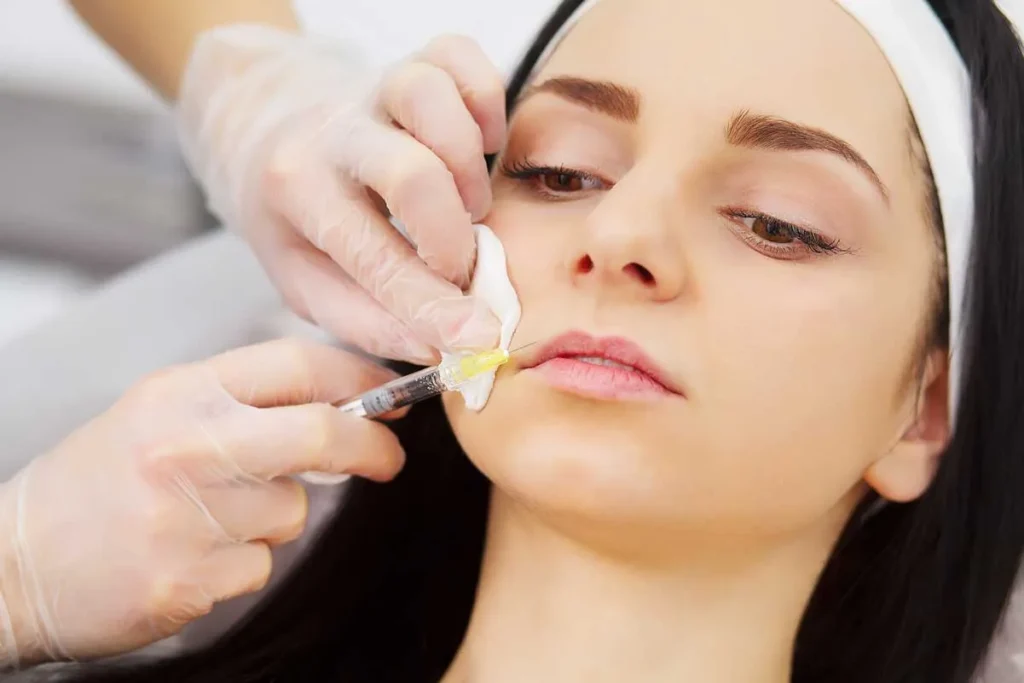
Planning to travel to South Korea for lip lift surgery? You’re not alone—thousands of medical tourists come each year to benefit from the country’s globally respected plastic surgeons, advanced techniques, and competitive pricing.
But successful results begin before you even board the plane. This comprehensive pre-travel checklist will help you prepare mentally, medically, and logistically for your lip lift procedure in Korea.
✅ 1. Finalize Your Virtual Consultation
Before committing to a trip, ensure you’ve had a thorough virtual consultation with your chosen Korean clinic. This should cover:
- Assessment of candidacy
- Surgical technique recommended (e.g., subnasal lip lift)
- Estimated recovery time
- Quoted price and what’s included (surgery, anesthesia, follow-ups)
- Language support during your visit
Tip: Keep all emails and records from the clinic. These will be helpful when booking and at customs if needed.
✅ 2. Choose a Clinic and Book Your Surgery
Once you feel confident in your surgeon and clinic:
- Confirm your surgery date and pre-op consultation schedule
- Get all pricing in writing, including deposits and cancellation policies
- Ask about the number of days you’ll need to stay post-surgery
- Request official documentation that outlines your treatment plan for travel purposes
✅ 3. Secure Your Travel Documents
Check all the legal documents required to enter South Korea for medical tourism:
- Passport (valid for at least 6 months beyond your travel dates)
- Visa (most countries can enter Korea visa-free for short stays, but confirm with the Korean embassy)
- K-ETA (Korea Electronic Travel Authorization, required for many travelers)
- Medical documentation (optional, but helpful — clinic confirmation letter or consultation summary)
✅ 4. Purchase Travel Insurance (With Medical Coverage)
Don’t skip this step. Purchase comprehensive travel insurance that includes:
- Trip delays/cancellations
- Emergency medical treatment
- Coverage for post-surgical complications
- Emergency evacuation (just in case)
Many Korean clinics require proof of medical coverage before surgery for international patients.
✅ 5. Book Accommodations Near Your Clinic
Choose a recovery-friendly hotel or guesthouse near your clinic:
- Look for quiet, comfortable lodging with amenities like room service or kitchenette
- Proximity to the clinic will reduce travel stress post-surgery
- Ask your clinic if they offer partner hotels with discounted rates
- Consider a hotel with English-speaking staff for smoother communication
✅ 6. Arrange Transportation from the Airport
After surgery, comfort matters:
- Book your airport pick-up in advance, especially if arriving late or alone
- Ask your clinic if they offer a pick-up/drop-off service
- Install navigation apps like KakaoMap or Naver Map (Google Maps doesn’t work well in Korea)
- Purchase a T-money card at the airport for public transport, if you’ll be moving around pre-surgery
✅ 7. Prep Your Body for Surgery
To reduce risks and improve healing:
- Avoid smoking, alcohol, and blood-thinning medications for at least 2 weeks before surgery
- Maintain a healthy diet and stay hydrated
- Get a general health check-up before flying, especially if you have underlying conditions
- Inform your surgeon of any allergies, prior surgeries, or medications
✅ 8. Pack Smart for Post-Surgery Recovery
Here’s what to bring in your luggage:
- Loose-fitting clothes (preferably zip-up tops)
- Neck pillow for added support
- Cold compresses or reusable ice packs
- Mild, non-fragranced skincare products
- Prescribed medication or antibiotics (check import laws for drugs in Korea)
- Medical folder with insurance info, travel documents, and clinic contacts
- Face masks and sunglasses for discreet outings post-op
✅ 9. Prepare for Post-Op Communication
Ensure you stay connected:
- Buy a Korean SIM card or pocket WiFi at the airport
- Install messaging apps like KakaoTalk, commonly used by clinics
- Set up translation apps (Papago or Google Translate) for quick language support
✅ 10. Mentally Prepare for Downtime
Even though lip lift surgery is a minor outpatient procedure, you’ll need to rest:
- Plan for at least 5–7 days of recovery before flying back
- Avoid strenuous sightseeing, spicy foods, and excessive talking
- Bring books, movies, or light entertainment to stay comfortable in your hotel
Final Thoughts
A successful lip lift experience in Korea starts with thorough preparation. This pre-travel checklist ensures you’re not just medically ready, but logistically and emotionally set for a smooth procedure and comfortable recovery.


