
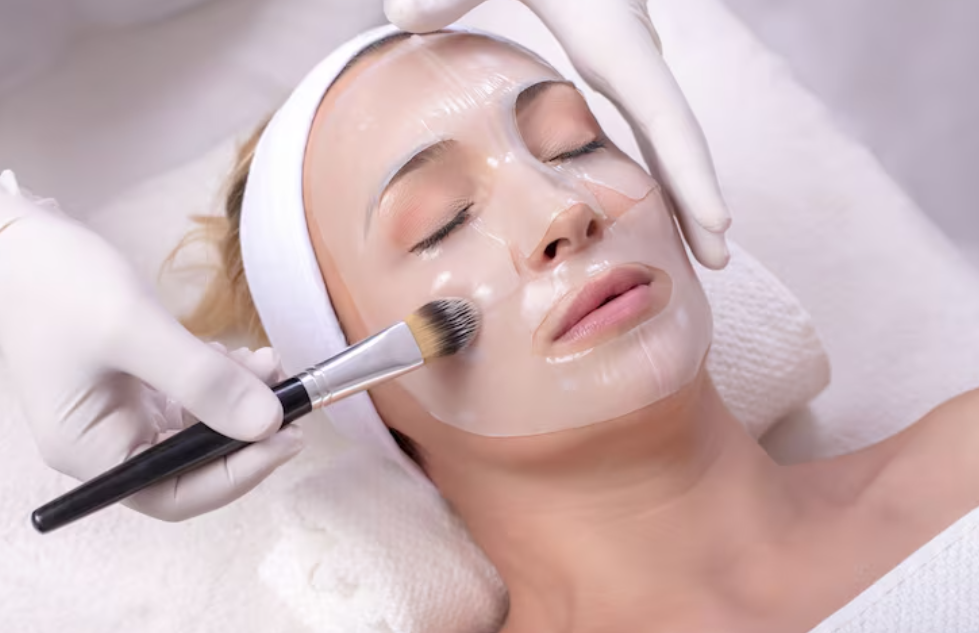
Treatment Overview
Chemical Peels are a dermatological treatment that use controlled application of acids to exfoliate the skin, accelerate cell turnover, and reduce pigmentation. In Korea, chemical peels are customized to safely treat hyperpigmentation conditions such as melasma, freckles, sun damage, and post-inflammatory hyperpigmentation (PIH).
Unlike harsh peels of the past, Korean dermatology clinics focus on gentle, repetitive, and layered peels (such as glycolic acid, lactic acid, mandelic acid, TCA, or blended formulas) that are safe for Asian and sensitive skin types. They are often paired with laser toning, Vitamin C infusion, or skin boosters for longer-lasting results.
Purpose & Benefits
- Pigmentation Lightening: Reduces dark spots, melasma, and discoloration.
- Cell Renewal: Speeds up skin turnover, revealing fresher, brighter skin.
- Texture Refinement: Smooths rough or uneven surface.
- Collagen Stimulation: Improves elasticity and firmness.
- Prepares Skin for Other Treatments: Enhances effectiveness of lasers or injectables.
- Customizable: Tailored strengths for different pigmentation severities.
Ideal Candidates
Chemical Peels in Korea for hyperpigmentation are recommended for:
- Patients with melasma, freckles, or post-acne pigmentation.
- Individuals with sun-damaged or dull skin tone.
- Adults seeking non-invasive brightening without downtime-heavy lasers.
- Those with sensitive or Asian skin, where aggressive treatments may cause rebound pigmentation.
Comparison with Other Treatments:
- Chemical Peels: Best for surface-level pigmentation and texture issues.
- BB Laser / Laser Toning: Best for deeper melanin deposits and melasma.
- IPL Therapy: Best for sun damage and vascular-pigment mix.
- Vitamin C Infusion: Antioxidant brightening for mild pigmentation.
- Skin Boosters: Hydration and regenerative repair alongside pigment care.
Possible Risks & Complications
When performed in Korean dermatology clinics, chemical peels are very safe. However, possible side effects may include:
- Mild Redness or Stinging: Temporary, usually fades within 24 hours.
- Dryness or Flaking: Normal part of skin renewal.
- Post-Inflammatory Hyperpigmentation (rare): Prevented with low-irritation Korean protocols.
- Allergic Reaction (very rare): Avoided through patch testing and tailored solutions.
Treatment Techniques Used
- Superficial Peels: Glycolic, lactic, mandelic acid (brightening + exfoliation).
- Medium Peels: Low-dose TCA or blended formulas for deeper pigment.
- Customized Eye-Safe Peels: Used for periorbital pigmentation.
- Session Protocol: 3–6 sessions spaced 2–4 weeks apart.
- Combination Therapy: Often paired with BB Laser, PRP, or Vitamin C infusion.
Recovery & Aftercare
- Immediately: Mild redness, tightness, or stinging.
- 1–3 Days: Light peeling or dryness may occur.
- 1–2 Weeks: Clearer, brighter skin with reduced pigmentation.
Aftercare Tips:
- Apply gentle hydrating creams to restore skin barrier.
- Use SPF 50+ daily to protect new skin from UV damage.
- Avoid harsh scrubs, retinoids, or AHAs for 5–7 days.
- Stay well-hydrated and maintain a gentle skincare routine.
Results & Longevity
- Short-Term (1–2 Sessions): Brighter skin, smoother texture.
- Medium-Term (3–5 Sessions): Visible reduction in pigmentation and spots.
- Long-Term (6–12 Months): Maintenance peels every 3–6 months recommended.
Treatment Process in Korea
- Consultation & Skin Analysis – Dermatologist identifies type and depth of pigmentation.
- Preparation – Cleansing and application of protective ointments for sensitive areas.
- Peel Application – Controlled acid applied for a set duration.
- Neutralization & Soothing Care – Peel is neutralized and cooling mask applied.
- Optional Add-Ons – Laser toning, Vitamin C infusion, or skin boosters.
- Follow-Up – Sessions repeated monthly for continued results.
Why Korea is a Top Destination
- Korean dermatologists specialize in low-irritation peels tailored for hyperpigmentation.
- Clinics use KFDA-approved formulations safe for Asian skin.
- Multi-step protocols combine peels with lasers, boosters, and serums.
- Affordable compared to Western clinics, with package-based pricing.
- Seoul is recognized globally for hyperpigmentation and melasma management expertise.
Cost Range (Detailed Breakdown)
Pricing for Chemical Peels in Korea for hyperpigmentation:
- Single Session (basic peel): USD 80 – 150
- 3-Session Package: USD 200 – 400
- Peel + Vitamin C Infusion or Aqua Peel Combo: USD 150 – 300 per session
- Premium Pigmentation Package (Peels + Laser Toning + Skin Boosters): USD 800 – 1,500 (3–5 sessions)
Additional Costs in Korea:
- Consultation: USD 15 – 30
- Add-ons (Rejuran, Exosomes, PRP, PN): USD 150 – 500
💡 Many patients describe chemical peels as a “reset button” for hyperpigmented skin, revealing a clearer, brighter, and more even complexion.
Popular Clinics in Seoul
- Banobagi Dermatology – Customized pigmentation peels + BB Laser.
- Oracle Dermatology – Chemical peel + Vitamin C protocols for melasma.
- Renewme Skin Clinic – Peels with PRP or Rejuran for repair + brightening.
- View Plastic & Dermatology – Pigmentation packages with peels + laser toning.
- Chaum Anti-Aging Center – Luxury pigmentation repair with multi-layer peel systems.


