
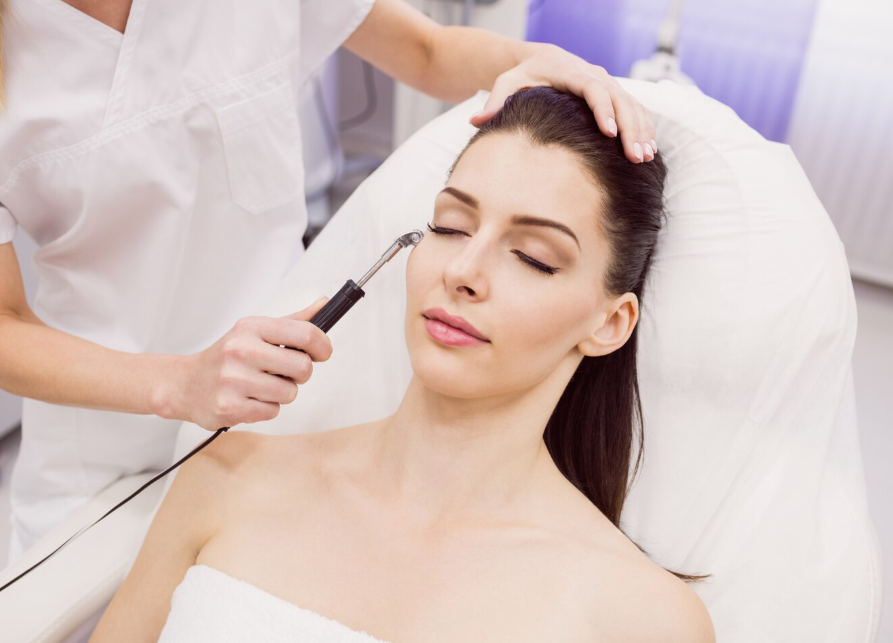
Treatment Overview
Fractional CO₂ Laser is a resurfacing laser treatment that uses carbon dioxide energy to create controlled micro-injuries in the skin. This stimulates collagen remodeling, skin renewal, and accelerated pigment clearance.
In Korea, Fractional CO₂ is widely used to treat post-inflammatory hyperpigmentation (PIH), sun damage, melasma (in selected cases), and deep pigment scars. Unlike low-fluence lasers like BB Laser, CO₂ penetrates deeper, making it especially effective for patients with severe or textural pigmentation issues.
Korean dermatologists often combine CO₂ laser with laser toning, chemical peels, or regenerative injectables (Rejuran, exosomes, PRP) to enhance healing and reduce risks of rebound pigmentation.
Purpose & Benefits
- Pigment Reduction: Removes damaged, pigmented skin layers and stimulates fresh skin growth.
- Skin Renewal: Improves cell turnover for brighter, more even skin.
- Texture Refinement: Smooths acne scars, enlarged pores, and roughness.
- Collagen Stimulation: Firms skin and reduces fine wrinkles.
- Synergy: Often paired with Vitamin C infusion, PRP, or Rejuran for faster recovery.
Ideal Candidates
Fractional CO₂ Laser in Korea for hyperpigmentation is recommended for:
- Patients with deep or stubborn pigmentation.
- Individuals with PIH after acne or injuries.
- Adults with sun damage, age spots, or textural pigmentation.
- Those who want a more intensive treatment with long-term results.
Comparison with Other Treatments:
- Fractional CO₂: Best for deep pigmentation + textural repair.
- BB Laser / Laser Toning: Best for gradual melasma and surface pigmentation.
- Chemical Peels: Best for mild pigmentation + cell turnover.
- Cosmelan / Dermamelan: Best for melasma and widespread pigmentation.
- IPL Therapy: Best for superficial sun-induced pigmentation.
Possible Risks & Complications
While effective, Fractional CO₂ is more aggressive than other pigmentation treatments. Possible risks include:
- Redness & Swelling: Common, lasts 3–7 days.
- Scabbing & Peeling: Part of natural skin renewal process.
- PIH (Post-Inflammatory Hyperpigmentation): Can occur if aftercare or sun protection is not followed—minimized in Korean clinics with strict protocols.
- Infection (rare): Prevented with sterile techniques and proper aftercare.
Treatment Techniques Used
- Fractional Mode: Laser creates micro-columns of injury, leaving surrounding tissue intact for faster healing.
- Variable Depth Control: Adjusted for pigmentation depth and skin type.
- Session Protocol: Typically 1–3 sessions, spaced 4–6 weeks apart.
- Combination Therapy: Often paired with laser toning, PRP, or exosomes to minimize risks and improve results.
Recovery & Aftercare
- Immediately: Redness, warmth, and mild swelling.
- 2–5 Days: Scabbing, peeling, or bronzing effect.
- 1–2 Weeks: Brighter, smoother skin appears.
- 1–3 Months: Progressive fading of pigmentation and improved texture.
Aftercare Tips:
- Apply soothing, hydrating creams to support healing.
- Avoid direct sun exposure; use SPF 50+ daily.
- Do not pick or scratch scabs.
- Avoid harsh skincare (retinol, AHAs, scrubs) for at least 2 weeks.
- Stay hydrated and follow doctor’s follow-up care plan.
Results & Longevity
- Short-Term (1–2 Weeks): Clearer skin with visible improvement in tone.
- Medium-Term (1–3 Months): Significant reduction in pigmentation and scars.
- Long-Term (6–12 Months): Lasting results with proper sun care; touch-up sessions may be recommended annually.
Treatment Process in Korea
- Consultation & Skin Mapping – Doctor identifies pigmentation type and depth.
- Preparation – Cleansing and numbing cream applied.
- Fractional CO₂ Session – Laser applied to targeted pigmentation areas.
- Optional Add-Ons – Rejuran, PRP, or exosomes to speed recovery.
- Post-Care – Cooling mask and healing ointments.
- Follow-Up – Sessions scheduled every 4–6 weeks if needed.
Why Korea is a Top Destination
- Korean dermatologists specialize in low-downtime, low-risk CO₂ protocols for pigmentation.
- Use of advanced KFDA-approved CO₂ devices tailored for Asian skin.
- Multi-step aftercare programs (PRP, Rejuran, LED healing therapy) reduce side effects.
- Affordable compared to Western clinics, with package deals available.
- Seoul is known for leading expertise in scar, pigment, and texture laser treatments.
Cost Range (Detailed Breakdown)
Pricing for Fractional CO₂ Laser in Korea for hyperpigmentation:
- Single Session (localized pigmentation): USD 200 – 400
- Full Face Session: USD 400 – 700
- 3-Session Package: USD 1,000 – 1,500
- Fractional CO₂ + PRP/Rejuran/Exosome Recovery Package: USD 1,500 – 2,800 (3 sessions)
Additional Costs in Korea:
- Consultation: USD 20 – 40
- Add-ons (PRP, Rejuran i, Exosomes, PN): USD 150 – 500
💡 Many patients call Fractional CO₂ the “deep reset laser” because it not only fades pigmentation but also improves texture, scars, and skin resilience.
Popular Clinics in Seoul
- Banobagi Dermatology – Fractional CO₂ for pigmentation + scar repair.
- Oracle Dermatology – CO₂ + PRP/exosome recovery packages.
- Renewme Skin Clinic – Combination of CO₂ laser + pigmentation toning.
- View Plastic & Dermatology – Premium CO₂ packages with Rejuran boosters.
- Chaum Anti-Aging Center – Luxury pigmentation & anti-aging CO₂ protocols.


