
Introduction
A tummy tuck, or abdominoplasty, can deliver transformative results—but the healing process is just as important as the surgery itself. Knowing what to expect in your tummy tuck recovery timeline can help you plan ahead, manage discomfort, and avoid complications. This week-by-week guide will walk you through the recovery process, from the first day after surgery to full healing, including essential tips and red flags to watch for.
Immediate Post-Op: Days 1–3
What to Expect:
- Swelling, bruising, and tightness in the abdomen
- You’ll have drainage tubes to prevent fluid buildup
- Pain and discomfort, managed with prescribed medications
- Walking is encouraged (bent at the waist) to promote circulation
Tips:
- Keep your torso slightly bent when resting or walking
- Wear your compression garment as instructed
- Have a caregiver help you with mobility and medication
- Stay hydrated and eat light meals
Warning Signs:
- Excessive bleeding
- Fever or chills
- Severe pain not controlled by medication
Week 1: Days 4–7
What to Expect:
- Gradual decrease in pain and swelling
- You may feel fatigued or uncomfortable standing upright
- Follow-up appointment to monitor healing and remove drains (if healing well)
Tips:
- Continue gentle walking
- Avoid lifting anything over 5–10 lbs
- Follow wound care instructions strictly
Warning Signs:
- Drainage with foul odor
- Increased redness or warmth around incisions
- Shortness of breath (seek emergency care)
Week 2
What to Expect:
- Swelling continues but begins to subside
- Bruising starts to fade
- Stitches (if not dissolvable) may be removed
- You’ll start feeling more mobile but still need to rest frequently
Tips:
- Continue wearing your compression garment
- Gradually increase your movement, but avoid exercise
- Begin light stretching as advised by your surgeon
Warning Signs:
- Persistent or worsening swelling
- Fluid pockets (seromas) under the skin
Week 3–4
What to Expect:
- Most patients return to work if it’s non-physical
- You’ll be able to stand fully upright
- Noticeable reduction in discomfort and swelling
- Incisions begin to mature
Tips:
- Resume light activities around the house
- Continue avoiding strenuous activity and core workouts
- Monitor your energy levels and don’t overdo it
Warning Signs:
- Pain or pressure in the surgical area after activity
- Unusual drainage or reopening of incisions
Week 5–6
What to Expect:
- Swelling continues to go down
- Scars may appear red or raised but will start fading
- You may be cleared to resume low-impact exercise
Tips:
- Ask your surgeon before resuming workouts or lifting heavier items
- Massage the scar (if recommended) to promote healing
- Stay patient—final results are still developing
Week 7–8 and Beyond
What to Expect:
- Most swelling resolved (~80%)
- Scars begin to soften and flatten
- Full return to normal activity, including workouts, may be allowed
- Final results start to become visible
Tips:
- Continue scar care (silicone sheets, SPF)
- Maintain a healthy diet and stay hydrated
- Regular follow-up visits to track healing progress
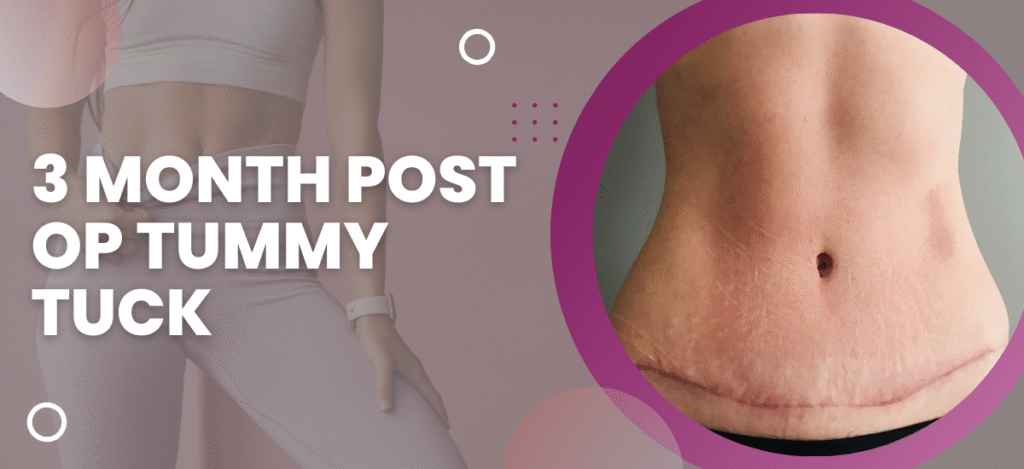
3 Months and Beyond
What to Expect:
- Final results continue to settle in
- Scars continue to mature for up to 12–18 months
- You’ll likely feel fully back to normal
Tips:
- Stay consistent with a fitness routine to maintain results
- Avoid smoking and excessive sun exposure, which can affect healing
- Reach out to your surgeon if you notice any long-term concerns
Final Thoughts
Understanding the tummy tuck recovery timeline helps reduce anxiety and empowers you to take proper care of yourself after surgery. Every patient’s healing experience is unique, so always follow your surgeon’s personalized instructions. With patience, support, and diligence, you’ll be on your way to enjoying a flatter, firmer abdomen.


