
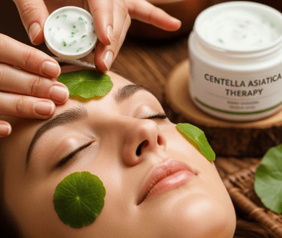
Treatment Overview
Centella Asiatica Therapy is a popular Korean dermatology approach for managing rosacea and sensitive skin conditions. Centella Asiatica, also known as Cica or Gotu Kola, is a medicinal herb long used in Asian skincare and traditional medicine for its anti-inflammatory, wound-healing, and skin-calming properties.
In Korean dermatology, Centella is applied through topical serums, creams, sheet masks, iontophoresis infusions, or calming skin boosters, and is often paired with vascular lasers (like V-beam) or redness-reducing regimens to strengthen skin while reducing rosacea flare-ups.
For rosacea, Centella Asiatica Therapy:
- Calms redness and irritation linked to vascular sensitivity.
- Reduces inflammatory flare-ups and skin reactivity.
- Supports barrier repair and hydration in fragile rosacea-prone skin.
- Enhances recovery after laser or chemical treatments.
Purpose & Benefits
- Anti-Inflammatory Relief: Asiaticoside and madecassoside reduce redness and swelling.
- Barrier Repair: Strengthens the epidermis to minimize sensitivity and triggers.
- Collagen Stimulation: Promotes skin healing and recovery post-laser or flare.
- Antioxidant Protection: Shields skin from environmental stress that worsens rosacea.
- Hydration Support: Soothes dryness and roughness common in rosacea patients.
- Combination-Friendly: Works synergistically with lasers, IPL, and soothing infusions.
Ideal Candidates
Centella Asiatica Therapy in Korea is recommended for:
- Patients with rosacea prone to redness, irritation, or burning sensations.
- Individuals with sensitive, thin, or easily reactive skin.
- Adults undergoing laser or IPL rosacea treatments who need calming support.
- Patients seeking a gentle, plant-based dermatology solution.
- Those requiring long-term maintenance to minimize flare-ups.
Comparison with Other Treatments
- Centella Asiatica Therapy: Best for calming and barrier strengthening.
- Brimonidine Gel: Targets redness via temporary vascular constriction.
- Oxymetazoline Cream: Similar redness-reducing effect, daily topical.
- V-Beam Laser / IPL: Long-term vascular improvement, but requires downtime.
- Topical Azelaic Acid / Metronidazole: Anti-inflammatory but sometimes irritating.
- Placenta Extract Therapy: Regenerative, with brightening and healing effects.
Possible Risks & Complications
Centella Asiatica is considered very safe, but mild effects may include:
- Temporary Tingling: With infusion or booster treatments.
- Mild Redness: After iontophoresis or microneedle delivery.
- Rare Allergic Reaction: Possible if patient is sensitive to botanical extracts.
Treatment Techniques Used
- Topical Application: Creams, serums, or soothing masks in clinic care plans.
- Infusion Therapy: Iontophoresis or electroporation to deliver Centella deeper.
- Mesotherapy Cocktails: Combined with hyaluronic acid or antioxidants.
- Post-Laser Calming Packs: Centella-based masks or boosters for healing.
- Session Protocol: Typically 3–6 calming therapy sessions spaced 2–4 weeks apart.
Recovery & Aftercare
- Immediately: Cooling and soothing effect after application or infusion.
- 1–2 Days: Reduced redness, skin feels calmer and more hydrated.
- Weeks of Consistency: Noticeable improvement in skin resilience and fewer flare-ups.
Aftercare Tips:
- Use gentle, non-irritating cleansers.
- Apply SPF 50+ sunscreen daily to protect fragile skin.
- Avoid alcohol, spicy foods, and heat triggers.
- Combine with dermatologist-recommended calming moisturizers.
Results & Longevity
- Short-Term (Single Session / Topical Use): Immediate calming and hydration.
- Medium-Term (3–4 Sessions): Flare frequency decreases, redness more controlled.
- Long-Term: Continuous use strengthens barrier, reducing recurrence and sensitivity.
Treatment Process in Korea
- Consultation & Skin Analysis – Dermatologist assesses rosacea severity and sensitivity.
- Preparation – Gentle cleansing, soothing mist or toner applied.
- Centella Application – Topical mask, infusion therapy, or calming booster.
- Optional Add-Ons – V-beam/IPL for vascular rosacea, anti-redness cocktails.
- Post-Care – Cooling mask, barrier-repair creams.
- Follow-Up – Repeated sessions or ongoing topical regimen.
Why Korea is a Top Destination
- Korean dermatology specializes in sensitive skin and rosacea protocols.
- Clinics use high-purity Centella extracts (madecassoside, asiaticoside) for medical efficacy.
- Treatments combine modern vascular lasers with herbal skin boosters.
- Affordable compared to Western clinics, with holistic package options.
- Seoul is a hub for Cica-based skincare innovations widely trusted worldwide.
Cost Range (Detailed Breakdown)
Pricing for Centella Asiatica Therapy in Korea for rosacea:
- Single Centella Infusion Session: USD 120 – 200.
- 3–5 Session Package: USD 500 – 900.
- Laser + Centella Combo Session (V-beam/IPL + soothing booster): USD 300 – 600.
- Premium Rosacea Package (Centella + Laser + Calming Infusions): USD 1,200 – 2,800 (4–6 sessions).
Additional Costs in Korea:
- Consultation: USD 20 – 40.
- Add-ons (Hyaluronic Acid, Niacinamide, Vitamin C): USD 100 – 300.
💡 Patients often call Centella Therapy the “Cica-Calm Rosacea Solution”, as it focuses on soothing redness and repairing the skin barrier.
Popular Clinics in Seoul
- Oracle Dermatology – Centella infusion with vascular laser programs.
- Banobagi Dermatology – Calming Cica boosters combined with IPL.
- Renewme Skin Clinic – Rosacea control using Centella-based healing protocols.
- View Plastic & Dermatology – Laser + Centella booster for redness recovery.
- Chaum Anti-Aging Center – Luxury rosacea programs with herbal infusions and lasers.


