
Treatment Overview
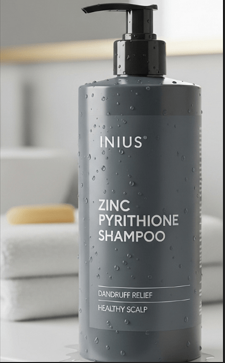
Zinc Pyrithione Shampoo Therapy is one of the most common treatments in Korea for seborrheic dermatitis, particularly when the condition affects the scalp with flaking, itching, and oil imbalance. Zinc pyrithione (ZPT) is an antifungal and antibacterial agent that reduces Malassezia yeast activity—a major trigger of seborrheic dermatitis—while also helping regulate sebum and calm inflammation.
In Korean dermatology, zinc pyrithione shampoos are available as over-the-counter and clinic-recommended formulas. They are often used alongside ketoconazole or ciclopirox shampoos, with dermatologists alternating them to prevent yeast resistance and improve long-term control.
For seborrheic dermatitis, Zinc Pyrithione Shampoo Therapy:
- Reduces flaking and dandruff-like scaling.
- Calms itching and redness.
- Controls yeast and bacteria contributing to flare-ups.
- Helps maintain a balanced, healthy scalp environment.
Purpose & Benefits
- Antifungal & Antibacterial: Controls Malassezia yeast and scalp microbes.
- Sebum Regulation: Helps reduce greasy scalp buildup.
- Flake Reduction: Breaks down and prevents excess scaling.
- Scalp Comfort: Relieves itching and irritation.
- Maintenance Use: Effective for preventing relapses.
- Combination-Friendly: Works well when alternated with ketoconazole or salicylic acid shampoos.
Ideal Candidates
Zinc Pyrithione Shampoo Therapy in Korea is recommended for:
- Patients with scalp seborrheic dermatitis and dandruff-like flaking.
- Individuals with itchy, red, or oily scalp conditions.
- Adults seeking a gentle, long-term maintenance shampoo.
- Patients combining therapy with antifungal creams for facial areas.
- Those who want a clinic-supervised scalp care program.
Comparison with Other Treatments
- Zinc Pyrithione Shampoo: Best for gentle, daily antifungal and maintenance care.
- Ketoconazole / Ciclopirox Shampoos: Stronger antifungal effect, more intensive during flare-ups.
- Salicylic Acid Shampoo: Removes scaling and buildup, less antifungal.
- Coal Tar Shampoo: Reduces inflammation, but less commonly used in Korea.
- Barrier Creams (Panthenol, Centella, Propolis): Repair skin but don’t treat yeast directly.
- Light Therapies (LED Blue, LLLT): Reduce inflammation, not primary for yeast control.
Possible Risks & Complications
Zinc pyrithione shampoos are safe but may cause:
- Dryness: If used too frequently without conditioner.
- Mild Irritation: Rare, usually in sensitive skin.
- Reduced Effectiveness: If not alternated with stronger antifungals in severe cases.
Treatment Techniques Used
- Shampoo Application: Applied to wet scalp, left for 3–5 minutes, then rinsed.
- Frequency: 2–3 times weekly during flare-ups; 1–2 times weekly for maintenance.
- Combination Therapy: Alternated with ketoconazole or ciclopirox shampoos.
- Clinic Integration: Korean clinics may add scalp scaling, cooling therapy, or LED therapy for stronger results.
Recovery & Aftercare
- First Week: Flaking and itching noticeably reduced.
- 2–4 Weeks: Scalp redness and irritation improve.
- Maintenance Use: Prevents relapses and maintains scalp balance.
Aftercare Tips:
- Alternate zinc pyrithione with antifungal shampoos for best results.
- Use a light, fragrance-free conditioner to prevent dryness.
- Avoid heavy styling products that worsen buildup.
- Pair with facial antifungal creams if seborrheic dermatitis affects the T-zone.
Results & Longevity
- Short-Term (1–2 Weeks): Reduced flakes and itching.
- Medium-Term (1–2 Months): Healthier scalp, fewer flare-ups.
- Long-Term: Stable remission with weekly maintenance use.
Treatment Process in Korea
- Consultation & Diagnosis – Dermatologist confirms seborrheic dermatitis severity.
- Recommendation – Zinc pyrithione shampoo prescribed or suggested.
- Usage Instruction – Typically 2–3 times weekly, alternated with antifungal shampoos.
- Clinic Add-Ons – Scalp scaling, cooling therapy, or LED sessions as needed.
- Follow-Up – Maintenance plan adjusted according to relapse frequency.
Why Korea is a Top Destination
- Korean dermatology emphasizes multi-step scalp care for seborrheic dermatitis.
- Zinc pyrithione shampoos are widely available in medical-grade and consumer formulations.
- Clinics combine shampoos with scalp scaling, cooling, and infusion therapy.
- Affordable compared to Western clinic packages.
- Seoul is recognized globally for innovative scalp and hair-focused dermatology care.
Cost Range (Detailed Breakdown)
Pricing for Zinc Pyrithione Shampoo Therapy in Korea for seborrheic dermatitis:
- OTC Zinc Pyrithione Shampoo (1–2%): USD 10 – 25.
- Clinic-Recommended Medical Formulas: USD 20 – 40.
- Consultation Fee: USD 20 – 40.
- Clinic Session (Shampoo + Scalp Cooling / Scaling): USD 80 – 200.
- Premium Seborrheic Dermatitis Package (Zinc Pyrithione + Antifungal + Infusions): USD 500 – 1,200 (4–6 sessions).
Additional Costs in Korea:
- Add-ons (Centella scalp tonics, propolis boosters, hyaluronic infusions): USD 50 – 150.
- Maintenance skincare (barrier creams for facial areas): USD 30 – 80.
💡 Patients often call zinc pyrithione shampoo the “gentle antifungal cleanser”, since it helps control yeast and soothe the scalp while being safe for long-term use.
Popular Clinics in Seoul
- Oracle Dermatology – Seborrheic dermatitis scalp care with zinc pyrithione shampoos.
- Banobagi Dermatology – Customized scalp programs with zinc pyrithione + cooling therapy.
- Renewme Skin Clinic – Combines zinc pyrithione shampoos with antifungal creams for face/scalp.
- View Plastic & Dermatology – Zinc pyrithione shampoo + LED scalp therapy packages.
- Chaum Anti-Aging Center – Premium scalp dermatitis programs with zinc pyrithione, infusions, and barrier support.


