
Treatment Overview
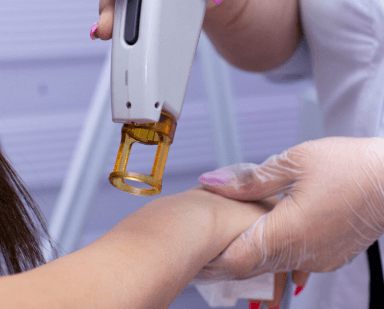
The Spectra Laser (by Lutronic, Korea) is a versatile Q-Switched Nd:YAG system that operates at 1064 nm and 532 nm wavelengths. It is one of the most widely used lasers in Korea for pigmentation correction, melasma management, acne scars, and skin rejuvenation.
One of its signature treatments is the Spectra Peel (Carbon Peel), where a carbon lotion is applied to the skin and then activated with the laser to deeply cleanse pores, brighten tone, and reduce pigmentation. In pigmentation protocols, the Spectra Laser uses low-fluence laser toning to gradually fade melasma, freckles, sunspots, and PIH (post-inflammatory hyperpigmentation), while stimulating collagen production for smoother skin.
It belongs to the Pigmentation Treatment family (Spectra, Q-Switched Nd:YAG, Pico Lasers, Dual Toning, Gold Toning, Fraxel Dual, CO₂ Fractional, IPL):
- Spectra (Q-Switched Nd:YAG): Best for melasma, freckles, and carbon peel glow.
- Pico Lasers (PicoCare, PicoPlus, PicoSure): Best for stubborn pigment + scars.
- Dual Toning: Best for superficial + deep melasma.
- Gold Toning: Best for vascular melasma + PIH.
- Fraxel Dual: Best for pigment + wrinkles + scars.
- CO₂ Fractional: Best for scars + aggressive resurfacing.
- IPL Photofacial: Best for redness + sun damage.
Purpose & Benefits
- Pigmentation Clearance: Reduces freckles, sunspots, melasma, and PIH.
- Melasma Control: Gentle laser toning improves pigment without harsh damage.
- Skin Brightening: Restores glow and even tone.
- Carbon Peel (Spectra Peel): Clears pores, controls acne, and reduces oiliness.
- Collagen Remodeling: Improves pores, scars, and elasticity.
- Safe for Asian Skin: Designed to minimize rebound pigmentation.
Ideal Candidates
Spectra Laser in Korea is recommended for:
- Adults with melasma, freckles, sunspots, or uneven tone.
- Patients with acne-prone skin needing pigment + pore treatment.
- Individuals with post-acne pigmentation or dull skin.
- Men and women comparing treatments:
- Spectra: Best for melasma + brightening + carbon peel.
- Pico Lasers: Best for stubborn pigment + scars.
- Dual Toning: Best for multi-layer melasma.
- Gold Toning: Best for PIH and vascular pigmentation.
- Fraxel Dual: Best for deeper resurfacing.
- CO₂ Fractional: Best for scars + severe pigment.
- IPL: Best for redness + sunspots.
Possible Risks & Complications
Spectra is safe and FDA/KFDA-approved, but mild effects may occur:
- Redness or Warmth: Temporary, fades within hours.
- Dryness or Flaking: Common as skin renews.
- Rare Risks: Temporary hyperpigmentation or hypopigmentation if post-care is ignored.
Surgical Techniques Used
Spectra Laser uses Q-Switched Nd:YAG technology:
- 1064 nm Wavelength: Penetrates deeper for melasma and dermal pigment.
- 532 nm Wavelength: Treats superficial freckles and sunspots.
- Spectra Peel Mode: Carbon mask absorbs laser, cleansing and rejuvenating skin.
- Protocol:
- Pigmentation: 5–10 sessions spaced 2–4 weeks apart.
- Carbon Peel: 3–6 sessions for acne, pores, and glow.
- Maintenance: Every 6–12 months.
Recovery & Aftercare
- Immediately: Mild redness, no downtime.
- 1–2 Days: Skin feels smoother and fresher.
- 2–4 Weeks: Pigmentation gradually fades with repeated sessions.
Aftercare Tips:
- Apply SPF 50+ daily to maintain results.
- Use hydrating and barrier-strengthening skincare.
- Avoid exfoliants, scrubs, or retinoids for 3–5 days.
- Minimize sun exposure during treatment cycles.
Results & Longevity
- After First Session: Brighter tone, subtle pigment reduction.
- Short-Term (3–5 Sessions): Visible improvement in melasma and freckles.
- Medium-Term (6–10 Sessions): Significant brightening and texture refinement.
- Long-Term: Results last 6–12 months; maintenance is advised.
Treatment Process in Korea
- Consultation & Skin Analysis – Doctor evaluates pigmentation and acne issues.
- Preparation – Cleansing, optional numbing, protective eyewear.
- Spectra Session – Toning or carbon peel protocol applied.
- Post-Care: Cooling mask, antioxidant serum, or soothing cream.
- Follow-Up: Multi-session plan for cumulative pigment control.
Why Korea is a Top Destination
- Korea is the origin of the Spectra Laser system (by Lutronic), ensuring expertise.
- Dermatologists specialize in safe melasma and PIH management for Asian skin.
- Affordable compared to Western pigmentation programs.
- Clinics often combine Spectra with Rejuran, exosomes, or Aqua Peel for glow.
- Seoul is known worldwide for carbon peel + pigmentation programs using Spectra.
Cost Range (Detailed Breakdown)
Pricing for Spectra Laser in Korea:
- Single Session (full face): USD 120 – 250
- 5–10 Session Package: USD 600 – 1,800
- Premium Package (Spectra + Boosters/Exosomes): USD 1,200 – 3,000
Additional Costs in Korea:
- Consultation: USD 20 – 50
- Add-ons (Rejuran, PN boosters, Vitamin drips): USD 100 – 400
💡 The Spectra Laser is often called “the melasma brightening laser” in Korea, thanks to its ability to safely lighten pigmentation while improving pores, scars, and glow.
Popular Clinics
- Banobagi Dermatology (Seoul): Spectra toning + carbon peel combo.
- Oracle Dermatology (Seoul): Spectra protocols for melasma + acne.
- Renewme Skin Clinic (Seoul): Spectra toning + boosters for PIH.
- View Plastic & Dermatology (Seoul): Spectra for pigmentation + rejuvenation.
- Chaum Anti-Aging Center (Seoul): Premium Spectra with regenerative add-ons.


