
Treatment Overview
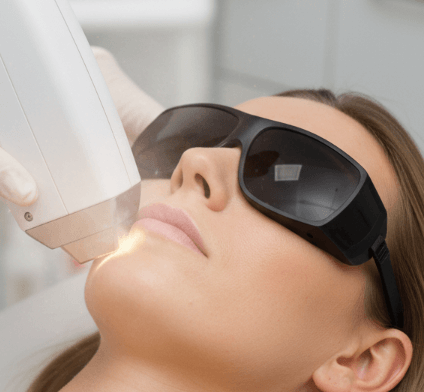
The Genesis Laser (also known as Laser Genesis) is a non-ablative 1064 nm Nd:YAG laser that delivers gentle microsecond pulses deep into the skin to stimulate collagen remodeling, vascular regulation, and pigment balancing.
In Korea, the Genesis Laser is used as a supportive therapy for melasma, especially in patients with vascular components, chronic inflammation, or sensitive skin prone to PIH (post-inflammatory hyperpigmentation). While not a stand-alone cure for melasma, it is often combined with Nd:YAG laser toning, Dual Toning, or Gold Toning to enhance results by addressing the vascular and inflammatory triggers that worsen pigmentation.
It belongs to the Pigmentation Treatment family (Genesis, Nd:YAG, Dual Toning, Gold Toning, Pico Lasers, Fraxel, Clear + Brilliant):
- Genesis (1064 nm): Best for vascular-linked melasma, redness, and skin strengthening.
- Nd:YAG Toning: Best for dermal melasma.
- Dual Toning: Best for multi-layer melasma.
- Gold Toning: Best for vascular melasma.
- Pico Lasers: Best for resistant or recurrent melasma.
- Fraxel Dual: Best for melasma with texture and sun damage.
- Clear + Brilliant: Best for mild melasma + maintenance.
Purpose & Benefits
- Melasma Support: Reduces vascular and inflammatory triggers that worsen melasma.
- Pigmentation Stabilization: Helps prevent recurrence when combined with other lasers.
- Vascular Regulation: Calms redness and strengthens capillaries.
- Collagen Stimulation: Improves elasticity and skin thickness.
- Texture Refinement: Minimizes pores and softens fine lines.
- Safe for Asian Skin: Low risk of PIH compared to ablative lasers.
Ideal Candidates
Genesis Laser in Korea is recommended for:
- Adults with melasma aggravated by redness or vascular activity.
- Patients with sensitive or PIH-prone skin.
- Individuals wanting supportive or maintenance melasma care.
- Men and women comparing treatments:
- Genesis: Best for vascular/inflammation-related melasma.
- Nd:YAG: Best for dermal pigment.
- Dual Toning: Best for multi-layer melasma.
- Gold Toning: Best for vascular melasma with redness.
- Pico Lasers: Best for stubborn melasma.
- Fraxel Dual: Best for melasma + sun damage/texture.
- Clear + Brilliant: Best for mild melasma and prevention.
Possible Risks & Complications
The Genesis Laser is gentle and very safe, but mild effects may include:
- Redness or Warmth: Fades within hours.
- Mild Dryness or Flaking: Temporary.
- Rare Risks: PIH or uneven tone (rare with Korean protocols).
Surgical Techniques Used
The Genesis Laser uses microsecond 1064 nm Nd:YAG pulses:
- Microsecond Mode: Penetrates dermis, gently heats tissue to regulate vessels and collagen.
- Vascular Modulation: Reduces redness, which stabilizes melasma.
- Protocol: 4–6 sessions spaced 2–4 weeks apart; often combined with toning or Pico lasers for melasma.
Recovery & Aftercare
- Immediately: Mild warmth, subtle redness.
- 1–2 Days: Skin feels smoother and calmer.
- 2–4 Weeks: Progressive improvement in melasma control when paired with pigment-targeting lasers.
Aftercare Tips:
- Apply SPF 50+ sunscreen daily.
- Use hydrating serums and barrier creams.
- Avoid harsh exfoliants, acids, or retinoids for 3–5 days.
- Stay out of direct sun during treatment cycles.
Results & Longevity
- After First Session: Fresher tone, reduced redness.
- Short-Term (2–3 Sessions): Stabilized melasma and improved skin clarity.
- Medium-Term (4–6 Sessions): Significant support in melasma reduction (best in combination therapy).
- Long-Term: Results last 6–12 months; maintenance recommended.
Treatment Process in Korea
- Consultation & Skin Analysis – Doctor evaluates melasma type and vascular involvement.
- Preparation – Cleansing and protective eyewear.
- Genesis Session – Gentle microsecond Nd:YAG passes over entire face.
- Post-Care: Cooling gel, hydration serums, antioxidant boosters.
- Follow-Up: Multi-session plan with adjunctive melasma lasers.
Why Korea is a Top Destination
- Korea excels at multi-modal melasma protocols, combining Genesis with Nd:YAG or Dual Toning for best results.
- Korean dermatologists are experts in vascular + pigmentation balance for Asian skin.
- More affordable compared to Western melasma treatments.
- Clinics often include skin boosters (Rejuran, PN, exosomes) alongside Genesis for stronger results.
- Seoul is globally known for advanced melasma stabilization programs.
Cost Range (Detailed Breakdown)
Pricing for Genesis Laser in Korea:
- Single Session (full face): USD 150 – 300
- 4–6 Session Package: USD 600 – 1,500
- Premium Package (Genesis + Toning/Pico + Boosters): USD 1,200 – 2,800
Additional Costs in Korea:
- Consultation: USD 20 – 50
- Add-ons (Exosomes, PN boosters, whitening drips): USD 100 – 400
💡 The Genesis Laser is often called “the vascular stabilizer for melasma” in Korea, as it calms redness and inflammation, helping to prevent pigment relapse when combined with other pigment-targeting lasers.
Popular Clinics
- Banobagi Dermatology (Seoul): Genesis + Dual Toning for melasma and redness.
- Oracle Dermatology (Seoul): Genesis for vascular melasma stabilization.
- Renewme Skin Clinic (Seoul): Genesis + Pico for resistant melasma.
- View Plastic & Dermatology (Seoul): Genesis with toning lasers for mixed melasma.
- Chaum Anti-Aging Center (Seoul): Premium Genesis melasma programs with regenerative boosters.


