
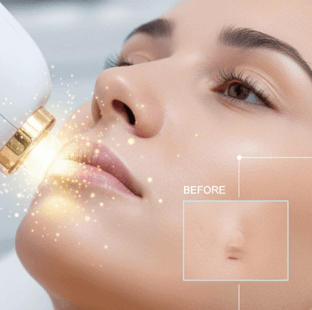
Treatment Overview
The BB Laser (often a Q-Switched Nd:YAG platform branded as “BB” or “BBL” in Korea) is a dermatology laser treatment designed for pigment-related conditions including post-inflammatory hyperpigmentation (PIH), age spots, freckles, and sun-induced pigmentation.
PIH is common after acne breakouts, injuries, or inflammation, especially in Asian skin, which is more prone to dark marks due to melanin overproduction. The BB Laser emits gentle, controlled pulses of light energy that fragment excess melanin while preserving surrounding skin, making it an ideal option for safe, gradual pigment clearance.
In Korea, the BB Laser is frequently combined with Nd:YAG toning, Pico Lasers, Fraxel, and brightening drips (Glutathione, Vitamin C) for comprehensive pigment management.
Purpose & Benefits
- PIH Reduction: Gradually fades acne-related dark marks and post-trauma spots.
- Safe for Asian Skin: Low-fluence settings minimize the risk of worsening PIH.
- Brightening Effect: Restores clarity and evens overall tone.
- Non-Invasive: Minimal discomfort, no downtime.
- Versatile: Also addresses freckles, sun spots, and early melasma.
Ideal Candidates
BB Laser in Korea is recommended for:
- Adults with post-acne PIH or pigmentation after inflammation/injury.
- Patients with sensitive skin who want safe pigment clearance.
- Individuals seeking a gentle alternative to aggressive lasers.
Possible Risks & Complications
While safe under Korean dermatology protocols, minor temporary effects may include:
- Redness or Warmth: Resolves within hours.
- Mild Dryness or Flaking: Natural skin renewal.
- Temporary Darkening: Pigment may look darker before fading.
- Rare: PIH worsening (minimized by Korea’s low-fluence, multi-pass approach).
Surgical Techniques Used
- Q-Switched Nd:YAG Laser (1064 nm, 532 nm): Targets melanin clusters at varying depths.
- Low-Fluence Multi-Pass Toning: Gentle repeated passes reduce PIH gradually.
- Protocol: 3–6 sessions spaced 2–4 weeks apart; maintenance every 6–12 months.
Recovery & Aftercare
- Immediately: Mild redness or tingling.
- 1–3 Days: Spots may darken slightly before flaking.
- 1 Week: Skin looks brighter, PIH visibly lighter.
Aftercare Tips:
- Apply SPF 50+ sunscreen daily to prevent PIH recurrence.
- Use hydrating serums and barrier creams.
- Avoid exfoliants, acids, or retinoids for 3–5 days.
- Minimize direct sun exposure during treatment cycles.
Results & Longevity
- After First Session: Fresher, clearer skin.
- 2–3 Sessions: Noticeable lightening of post-acne marks.
- 3–6 Sessions: Significant clearance of PIH with brighter skin tone.
- Long-Term: Results last 6–12 months; maintenance sessions may be needed if new acne occurs.
Treatment Process in Korea
Korea is globally recognized for its expertise in treating PIH safely, especially in Asian skin types prone to pigmentation.
- Consultation & Skin Analysis – Dermatologist assesses PIH depth, skin type, and acne history.
- Preparation – Gentle cleansing, protective eyewear, optional numbing cream.
- BB Laser Session –
- 532 nm for superficial PIH.
- 1064 nm for deeper pigmentation.
- Multi-pass toning for overall brightening.
- Post-Treatment Care – Cooling mask, brightening serum, sunscreen.
- Follow-Up – Typically 3–6 sessions, with possible combination therapies.
Unique Korean Advantages:
- Low-Fluence Asian Protocols: Safe for PIH-prone skin.
- Combination Therapies: BB Laser + Pico, Fraxel, or brightening drips.
- Affordability: Korean packages are cost-effective compared to Western dermatology.
- Innovation: Seoul clinics lead in integrating BB Laser with boosters (Rejuran, PN, exosomes).
Cost Range (Estimated)
- Single Session (Full Face): USD 120 – 250
- 3–6 Session Package: USD 500 – 1,200
- Premium Combination Program (BB Laser + Pico/Fraxel/Boosters): USD 1,000 – 2,200
Additional Costs:
- Consultation: USD 20 – 50
- Add-ons (Glutathione drips, Rejuran, exosomes, PN boosters): USD 100 – 400
Example Packages:
- Basic BB Program (3 sessions): USD 500–600
- Advanced PIH Care (BB + Whitening Drips): USD 800–1,000
- Premium PIH Program (BB + Pico + Boosters): USD 1,800–2,500
Popular Clinics in Seoul
- Oracle Dermatology: BB Laser + Pico for acne PIH.
- Banobagi Dermatology: BB + Nd:YAG toning for diffuse PIH and freckles.
- Renewme Skin Clinic: BB Laser programs with brightening drips for acne marks.
- View Plastic & Dermatology: BB + Fraxel for pigment + skin texture.
- Chaum Anti-Aging Center: Premium PIH clearance with BB Laser + regenerative boosters.


