
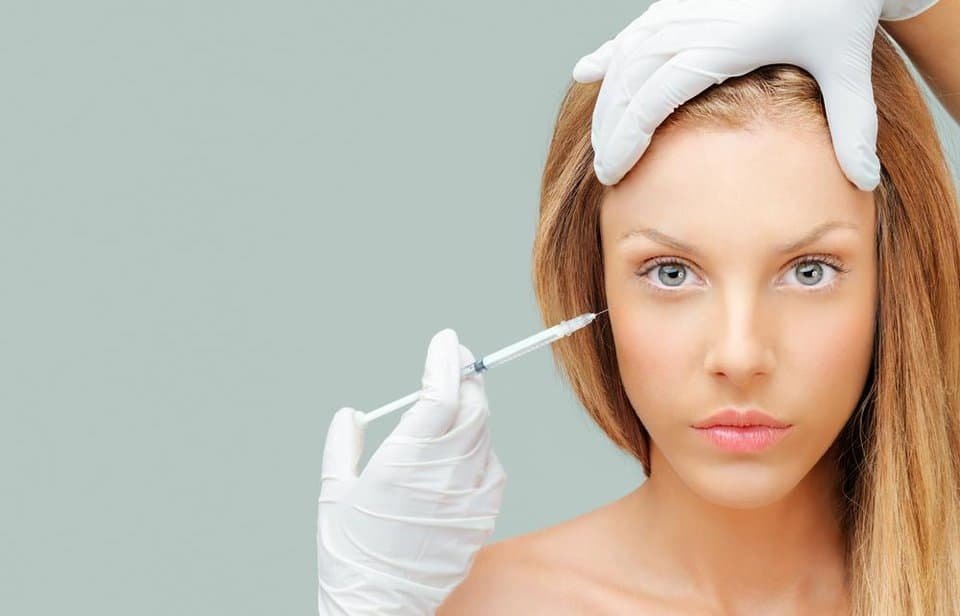
Treatment Overview
Microneedling (also known as Collagen Induction Therapy) is a minimally invasive treatment widely practiced in Korean dermatology clinics for post-inflammatory hyperpigmentation (PIH), acne pigmentation, acne scars, enlarged pores, and overall skin rejuvenation.
The procedure uses a device equipped with ultra-fine needles to create controlled micro-injuries in the skin, stimulating collagen and elastin production. This process accelerates skin turnover, helps fade PIH, and improves skin texture.
In Korea, microneedling is often enhanced with serum infusions (Vitamin C, tranexamic acid, PRP, exosomes, or skin boosters), making it more effective for pigmentation and acne-related concerns.
Purpose & Benefits
- PIH Clearance: Speeds up turnover of pigmented cells left by acne.
- Collagen Stimulation: Improves skin healing, reduces scars, and smooths texture.
- Enhanced Brightening: Infusion of serums (TXA, Vitamin C, PRP) maximizes pigment reduction.
- Safe for Asian Skin: Gentle and customizable depth settings minimize PIH rebound.
- Dual Benefit: Addresses both pigmentation and acne scars.
Ideal Candidates
Microneedling in Korea is recommended for:
- Patients with PIH and acne pigmentation.
- Individuals with acne scars and uneven texture.
- Adults looking for non-laser alternatives for pigmentation.
- Patients seeking combination therapy with boosters or PRP.
Possible Risks & Complications
Microneedling is safe under professional care, but mild side effects may occur:
- Redness & Swelling: Typically lasts 24–48 hours.
- Pinpoint Bleeding: Normal during treatment.
- Mild Flaking or Dryness: As skin regenerates.
- Rare Risks: Infection, irritation, or PIH rebound if performed too aggressively.
Surgical Techniques Used
- Microneedling Devices: Derma rollers or automated microneedling pens (common in Korea).
- Serum Infusion: Application of TXA, Vitamin C, PRP, or exosomes during or after needling.
- Customized Depth: Adjusted from 0.5–2.5 mm depending on PIH, scars, and sensitivity.
Protocol: Typically 3–6 sessions, spaced 3–6 weeks apart. Maintenance suggested every 6–12 months.
Recovery & Aftercare
Immediately: Redness, mild swelling, and sensitivity.
1–3 Days: Redness subsides; slight dryness or flaking.
1 Week: Brighter skin tone and improved smoothness.
Aftercare Tips:
- Apply SPF 50+ sunscreen daily.
- Use soothing, hydrating creams and barrier serums.
- Avoid harsh actives (retinoids, exfoliants, acids) for 5–7 days.
- Do not pick or scratch treated areas.
Results & Longevity
- After 1 Session: Fresher, slightly brighter skin.
- After 2–3 Sessions: Visible fading of PIH, smoother texture.
- After 3–6 Sessions: Significant clearance of acne pigmentation and improved scars.
- Long-Term: Results last 6–12 months; touch-ups recommended for new PIH or scarring.
Treatment Process in Korea
Consultation & Skin Analysis
- Dermatologist evaluates PIH, acne scars, and skin type.
- Depth and serum choice customized for patient.
Preparation
- Cleansing and application of numbing cream (20–30 minutes).
- Skin disinfected before treatment.
Microneedling Session
- Step 1: Device creates controlled micro-injuries.
- Step 2: Serums (TXA, Vitamin C, PRP, or boosters) applied to enhance results.
- Step 3: Cooling or healing mask applied.
- Duration: 30–60 minutes.
Post-Treatment Care
- Hydrating cream or growth factor serum applied.
- Strict sun protection recommended.
Follow-Up
- 3–6 sessions recommended for PIH clearance and scar improvement.
- Often combined with lasers, PRP, or exosome therapy.
Unique Korean Advantages
- Customized Cocktails: Korean dermatologists tailor serums (TXA, exosomes, PN, Rejuran).
- Combination Programs: Often bundled with Pico/Nd:YAG or PRP for stronger PIH results.
- Skin Safety Protocols: Energy and depth adjusted for PIH-prone Asian skin.
- Affordable Packages: Multi-session plans cost less than Western clinics.
Cost Range (Estimated)
- Single Session: USD 150 – 300
- 3–6 Session Package: USD 600 – 1,200
- Premium PIH Program (Microneedling + PRP/Boosters/Lasers): USD 1,500 – 2,500
Additional Costs:
- Consultation: USD 20 – 50
- PRP add-on: USD 200 – 400
- Skin boosters (Rejuran, PN, exosomes): USD 200 – 600
Example Korean Packages:
- Basic Microneedling (3 sessions): USD 500–700
- Advanced PIH Program (Microneedling + PRP): USD 900–1,200
- Premium PIH Care (Microneedling + Pico + Boosters): USD 1,800–2,500
Popular Clinics in Seoul
- Oracle Dermatology: Microneedling + Nd:YAG for PIH and scars.
- Banobagi Dermatology: Microneedling + PRP or exosomes for acne pigmentation.
- Renewme Skin Clinic: Microneedling with whitening serums and TXA.
- View Plastic & Dermatology: Microneedling + Fraxel for scars + PIH.
- Chaum Anti-Aging Center: Premium microneedling + regenerative boosters.


