
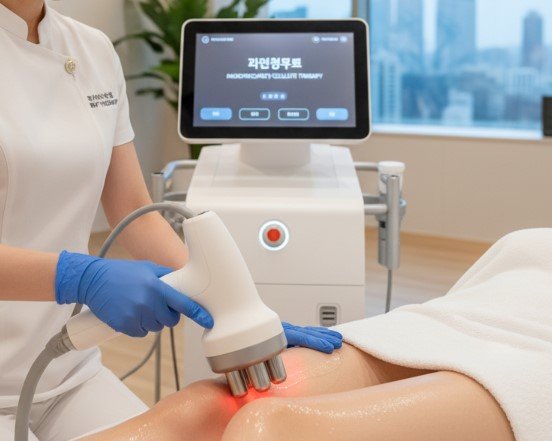
Treatment Overview
Cellulite Radiofrequency (RF) Therapy is a non-invasive treatment that uses controlled RF energy to heat the deeper layers of the skin and subcutaneous tissue. The heat stimulates collagen and elastin production, improves circulation, and breaks down fat cells, leading to smoother, tighter skin and visible cellulite reduction.
In Korean dermatology clinics, RF therapy is a popular choice for patients seeking a safe and effective way to smooth cellulite, firm sagging skin, and contour problem areas such as thighs, buttocks, abdomen, and arms. It is often combined with cavitation, mesotherapy, or cryo therapy for enhanced results.
Purpose & Benefits
- Cellulite Reduction: Targets fibrous bands and fat deposits to smooth dimpling.
- Skin Tightening: Stimulates collagen and elastin for firmer skin.
- Fat Breakdown: Heat energy helps reduce localized fat pockets.
- Circulation Boost: Improves blood flow and lymphatic drainage.
- Body Contouring: Defines and reshapes thighs, abdomen, hips, and arms.
Ideal Candidates
Cellulite RF Therapy in Korea is recommended for:
- Patients with mild to moderate cellulite and skin laxity.
- Adults seeking both cellulite reduction and firmer, lifted skin.
- Individuals with sagging or loose skin after weight loss or pregnancy.
- Patients combining RF with cavitation, cryo, or mesotherapy for body contouring.
- Those preferring a painless, non-invasive, no-downtime treatment.
Possible Risks & Complications
- Mild Redness or Warmth: Common but temporary.
- Swelling or Tenderness: Rare, resolves within hours.
- Burn Risk: Extremely rare with modern devices and proper protocols.
- Variable Results: Dependent on cellulite severity, skin type, and lifestyle.
- Not Suitable For: Pregnant women, patients with pacemakers, or metal implants in treated areas.
Surgical Techniques Used
- Radiofrequency Therapy: RF energy penetrates skin layers to heat collagen fibers and subcutaneous fat.
- Key Mechanisms:
- Collagen Remodeling: Heat triggers collagen contraction and new collagen production.
- Fat Reduction: Energy disrupts fat cells for gradual elimination.
- Skin Tightening: Enhanced elasticity and firmness.
- Combination Therapy: Often paired with cavitation, cryo, or mesotherapy.
- Protocol: 6–10 sessions, weekly or bi-weekly, with maintenance every 2–3 months.
Recovery & Aftercare
- Immediately: Warmth and mild redness; no downtime.
- 1–2 Days: Skin feels tighter and smoother.
- After Several Sessions: Visible cellulite reduction and body contouring.
Aftercare Tips:
- Stay hydrated to assist fat metabolism and lymphatic drainage.
- Avoid hot showers, saunas, or intense workouts for 24 hours.
- Maintain a balanced diet and exercise routine for sustained results.
- Use firming creams or serums as advised by dermatologist.
Results & Longevity
- After 1 Session: Temporary tightening and mild skin firmness.
- After 3–5 Sessions: Visible cellulite smoothing and improved tone.
- After 6–10 Sessions: Significant reduction in cellulite and firmer, lifted skin.
- Long-Term: Maintenance every 2–3 months prolongs results.
Treatment Process in Korea
Consultation & Body Analysis
- Dermatologist evaluates cellulite grade, skin laxity, and body goals.
- RF treatment plan customized for specific areas.
Preparation
- Target areas cleansed; conductive gel applied.
RF Therapy Session
- Step 1: RF handpiece glides over treatment area with controlled heat.
- Step 2: Deep tissue stimulation promotes fat breakdown and collagen remodeling.
- Step 3: Optional add-ons (cavitation, cryo, mesotherapy).
Post-Treatment Care in Clinic
- Cooling cream or soothing gel applied.
- Aftercare advice given.
Follow-Up
- 6–10 sessions recommended for best results.
- Maintenance every 2–3 months.
Unique Korean Advantages
- Advanced RF Devices: Korean clinics use multipolar/bipolar RF systems for precision and safety.
- Combination Treatments: Often integrated with cavitation, cryo, or mesotherapy.
- Customized Programs: Adjusted protocols for cellulite, sagging skin, and body contouring.
- Safe for Asian Skin: Designed to minimize burns and pigmentation risks.
- Affordable Packages: Clinics in Seoul offer cost-effective multi-session deals.
Cost Range (Estimated)
- Single RF Session: USD 150 – 300
- 6–10 Session Package: USD 900 – 2,500
- Premium Program (RF + Cavitation + Cryo): USD 2,500 – 4,500
Additional Costs:
- Consultation: USD 20 – 50
- Add-ons (fat-dissolving mesotherapy, collagen boosters): USD 100 – 300
- Cavitation or Cryo Sessions: USD 150 – 400 each
- Lymphatic Drainage Massage: USD 50 – 120
Popular Clinics in Seoul
- Oracle Dermatology: RF cellulite therapy with body contouring programs.
- Banobagi Dermatology: Combination cellulite treatments with RF + cavitation.
- Renewme Skin Clinic: RF body sculpting with collagen-boosting therapies.
- View Plastic & Dermatology: Integrated RF + cryo + mesotherapy packages.
- Chaum Anti-Aging Center: Premium RF therapy with holistic anti-aging body care.


