
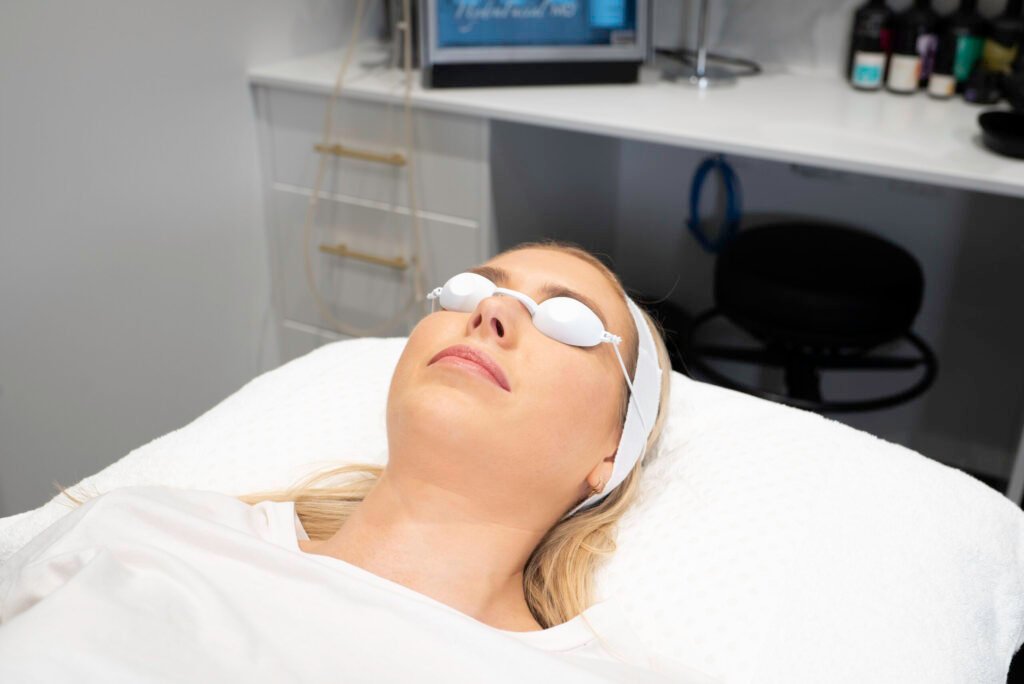
Laser acne treatment has gained popularity as a highly effective, non-invasive solution for managing breakouts and reducing acne scars. But an important and often overlooked question is:
“Is laser acne treatment safe for all skin types?”
The short answer is: yes, but with caution and customization. Not all lasers are safe for every skin tone or type. The effectiveness and safety of laser treatment depend on multiple factors, including skin tone (Fitzpatrick skin type), skin sensitivity, and the type of laser used.
This guide breaks down what you need to know about laser safety across all skin types — from fair to deep skin tones — and how to choose the right treatment for your unique complexion.
Understanding Skin Types: The Fitzpatrick Scale
Dermatologists classify skin tones using the Fitzpatrick Skin Type Scale, which ranges from Type I to Type VI:
| Fitzpatrick Type | Skin Description | Sun Response |
|---|---|---|
| Type I | Very fair, pale, freckles | Always burns, never tans |
| Type II | Fair, light skin | Usually burns, tans minimally |
| Type III | Medium white to light brown | Sometimes burns, gradually tans |
| Type IV | Olive or moderate brown skin | Rarely burns, tans easily |
| Type V | Brown skin | Very rarely burns, tans easily |
| Type VI | Deep brown or black skin | Never burns, tans deeply |
Different lasers behave differently on these skin types, especially when pigmentation and melanin levels are involved.
Are Laser Treatments Safe for Darker Skin Tones?
Yes — but only with the right type of laser and an experienced provider.
⚠️ Why Caution Is Needed for Darker Skin:
Melanin absorbs light energy. In darker skin, high melanin content means laser energy can be absorbed not only by acne lesions or scars, but also by surrounding healthy skin, increasing the risk of:
- Post-inflammatory hyperpigmentation (PIH)
- Hypopigmentation (light spots)
- Burns or scarring
However, when performed with appropriate technology and adjusted settings, laser treatments can be both safe and effective for deeper skin tones.
Best Laser Types for Each Skin Tone
Here’s a breakdown of which lasers are typically safe for each Fitzpatrick skin type:
| Laser Type | Safe For Skin Types | Best For |
|---|---|---|
| Nd:YAG Laser (1064 nm) | I–VI | Active acne, inflammation, oil control |
| Pulsed Dye Laser (PDL) | I–IV (sometimes V) | Red acne, rosacea, mild scarring |
| Fractional Non-Ablative | I–IV (some devices for V/VI) | Acne scars, texture |
| CO2/Ablative Lasers | I–III (rarely IV) | Deep acne scars (with risk for dark skin) |
| Blue Light Therapy (LED) | I–VI | Mild to moderate active acne |
| IPL (Intense Pulsed Light) | I–III (not for IV–VI) | Redness, pigmentation |
However, when performed with appropriate technology and adjusted settings, laser treatments can be both safe and effective for deeper skin tones.
Best Laser Types for Each Skin Tone
Here’s a breakdown of which lasers are typically safe for each Fitzpatrick skin type:
| Laser Type | Safe For Skin Types | Best For |
|---|---|---|
| Nd:YAG Laser (1064 nm) | I–VI | Active acne, inflammation, oil control |
| Pulsed Dye Laser (PDL) | I–IV (sometimes V) | Red acne, rosacea, mild scarring |
| Fractional Non-Ablative | I–IV (some devices for V/VI) | Acne scars, texture |
| CO2/Ablative Lasers | I–III (rarely IV) | Deep acne scars (with risk for dark skin) |
| Blue Light Therapy (LED) | I–VI | Mild to moderate active acne |
| IPL (Intense Pulsed Light) | I–III (not for IV–VI) | Redness, pigmentation |
Different lasers behave differently on these skin types, especially when pigmentation and melanin levels are involved.
Are Laser Treatments Safe for Darker Skin Tones?
Yes — but only with the right type of laser and an experienced provider.
⚠️ Why Caution Is Needed for Darker Skin:
Melanin absorbs light energy. In darker skin, high melanin content means laser energy can be absorbed not only by acne lesions or scars, but also by surrounding healthy skin, increasing the risk of:
- Post-inflammatory hyperpigmentation (PIH)
- Hypopigmentation (light spots)
- Burns or scarring
However, when performed with appropriate technology and adjusted settings, laser treatments can be both safe and effective for deeper skin tones.
Best Laser Types for Each Skin Tone
Here’s a breakdown of which lasers are typically safe for each Fitzpatrick skin type:
| Laser Type | Safe For Skin Types | Best For |
|---|---|---|
| Nd:YAG Laser (1064 nm) | I–VI | Active acne, inflammation, oil control |
| Pulsed Dye Laser (PDL) | I–IV (sometimes V) | Red acne, rosacea, mild scarring |
| Fractional Non-Ablative | I–IV (some devices for V/VI) | Acne scars, texture |
| CO2/Ablative Lasers | I–III (rarely IV) | Deep acne scars (with risk for dark skin) |
| Blue Light Therapy (LED) | I–VI | Mild to moderate active acne |
| IPL (Intense Pulsed Light) | I–III (not for IV–VI) | Redness, pigmentation |


