
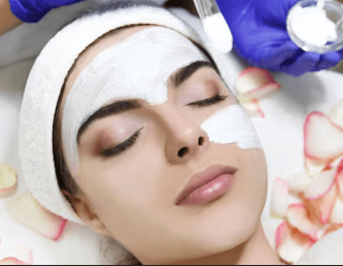
Treatment Overview
Dermasolution Sebum Therapy is a specialized acne management treatment widely offered in Korean dermatology clinics. It focuses on deep cleansing, sebum regulation, and pore care using a combination of medical-grade solutions, vacuum suction, and skin-calming techniques.
Unlike simple facials, Dermasolution Sebum Therapy is performed in a clinical setting under dermatologist supervision, ensuring safe extraction of impurities and normalization of oil production.
In Korea, this treatment is popular among patients with persistent oily skin, frequent blackheads, and acne-prone complexions, and it is often combined with LED therapy, scaling, or hydrating masks for enhanced results.
Purpose & Benefits
- Sebum Regulation: Helps normalize oil secretion and prevent clogged pores.
- Pore Purification: Extracts blackheads, whiteheads, and impurities.
- Acne Reduction: Prevents inflammatory breakouts by keeping pores clear.
- Barrier Protection: Strengthens the skin barrier to reduce sensitivity.
- Skin Refreshment: Leaves skin cleaner, smoother, and more balanced.
Ideal Candidates
Dermasolution Sebum Therapy in Korea is recommended for:
- Patients with oily or combination skin experiencing frequent breakouts.
- Individuals with visible blackheads, whiteheads, or clogged pores.
- People with enlarged pores due to excess sebum.
- Patients who need a gentle, non-invasive acne care option.
- Those looking to complement medical acne treatments with sebum-focused therapy.
Possible Risks & Complications
Dermasolution Sebum Therapy is gentle and safe, but mild side effects can occur:
- Temporary Redness: Especially after manual extraction.
- Mild Dryness or Tightness: May last 1–2 days.
- Rare Risks: Very low risk of scarring compared to aggressive acne treatments.
Surgical Techniques Used
- Sebum Control Solution: Medical solution applied to soften sebum and open pores.
- Vacuum Suction / Gentle Extraction: Removes oil plugs, blackheads, and impurities.
- Cooling Mask or Serum: Applied to calm and hydrate skin post-extraction.
- Optional Add-Ons: LED therapy or scaling for improved results.
Protocol: Usually 4–6 sessions, spaced 2–3 weeks apart.
Recovery & Aftercare
Immediately: Skin feels cleaner and lighter.
1–2 Days: Slight redness or tightness may appear.
1–2 Weeks: Pores look refined, acne lesions decrease.
Aftercare Tips:
- Apply soothing moisturizer to restore barrier.
- Use SPF 50+ sunscreen daily.
- Avoid scrubs, harsh acids, or retinoids for 3–5 days.
- Maintain hydration with gentle toners and serums.
Results & Longevity
- After 1 Session: Skin feels fresher and pores less congested.
- After 3–4 Sessions: Visible reduction in blackheads, breakouts, and oiliness.
- After 6 Sessions: Long-term sebum regulation and improved skin balance.
Maintenance sessions every 1–2 months are common for oily and acne-prone skin.
Treatment Process in Korea
Consultation & Skin Check
Dermatologist examines sebum levels, pore condition, and acne activity.
Preparation
- Gentle cleansing to remove surface dirt and oil.
- Protective cream applied to sensitive areas.
Dermasolution Sebum Therapy
- Step 1: Sebum-softening solution applied to skin.
- Step 2: Vacuum suction or manual extraction clears pores.
- Step 3: Cooling mask or soothing serum applied.
- Step 4: Optional LED light therapy (blue light for acne, red light for calming).
Duration: 30–40 minutes.
Post-Treatment Care
- Barrier cream and sunscreen applied.
- No downtime — patients can resume normal activities immediately.
Follow-Up
4–6 treatments recommended for optimal results.
Unique Korean Advantages
- Customized Care: Dermatologists adjust extraction intensity for sensitive Asian skin.
- Combination Packages: Often paired with Aqua Peel, LED, or acne drips.
- Gentle Approach: Focuses on long-term sebum regulation rather than aggressive stripping.
- Affordable Options: Available across clinics, from standard to premium programs.
Cost Range (Estimated)
- Single Dermasolution Sebum Session: USD 70 – 120
- Sebum Therapy + Extraction: USD 100 – 180
- Sebum Therapy + LED or Aqua Peel: USD 150 – 250
Example Korean Packages:
- Standard Program (5 sessions): USD 300 – 500
- Acne Care Program (Sebum Therapy + Extraction/LED): USD 500 – 800
- Premium Program (Sebum Therapy + Aqua Peel + Whitening Drip/Exosome Boosters): USD 1,000 – 1,500
Popular Clinics in Seoul
- Oracle Dermatology: Sebum-focused extraction programs.
- Banobagi Dermatology: Combination acne care with sebum management.
- Renewme Skin Clinic: Sebum therapy with LED acne control add-ons.
- View Dermatology: Multi-step programs including Dermasolution Sebum treatments.
- Chaum Anti-Aging Center: Premium acne and oil-control packages.


