
Treatment Overview
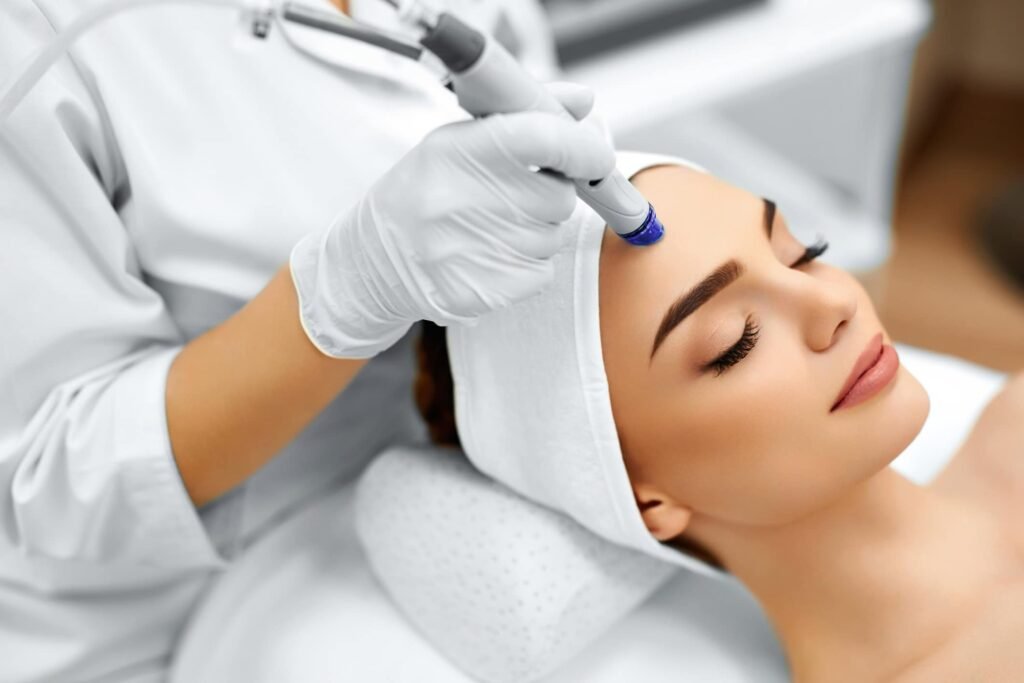
Microdermabrasion is a non-invasive exfoliation treatment widely offered in Korean dermatology clinics to manage hormonal acne, clogged pores, and post-acne skin texture issues. Using a diamond-tipped device or micro-crystals, the procedure gently removes dead skin cells, clears surface congestion, and stimulates skin renewal.
While hormonal acne originates from internal hormone fluctuations (androgen-driven sebum production), microdermabrasion addresses the secondary effects: clogged pores, blackheads, whiteheads, and dull skin caused by excess oil. In Korea, microdermabrasion is often combined with chemical peels, LED therapy, or acne drips for a holistic acne treatment program.
Purpose & Benefits
- Deep Exfoliation: Removes dead skin cells and clears clogged pores.
- Sebum Regulation Support: Reduces buildup that worsens hormonal breakouts.
- Improves Skin Texture: Smoothens rough patches and early acne scars.
- Brightens Skin Tone: Reduces dullness from excess oil and congestion.
- Enhances Skincare Absorption: Prepares skin for acne treatments and serums.
- Non-Invasive & Gentle: Safe for sensitive skin compared to harsher peels.
Ideal Candidates
Microdermabrasion in Korea is recommended for:
- Patients with hormonal acne linked to excess oil and clogged pores.
- Individuals with blackheads, whiteheads, or rough skin texture.
- Those with post-acne pigmentation and early scars.
- Patients seeking a gentle exfoliation alternative to strong chemical peels.
- Individuals looking for regular maintenance care to prevent breakouts.
Possible Risks & Complications
When performed by professionals, microdermabrasion is safe. Possible side effects include:
- Mild Redness or Sensitivity: Lasts a few hours after treatment.
- Temporary Dryness or Flaking: May occur for 1–2 days.
- Rare Risks: Over-exfoliation or irritation if performed too frequently.
Korean dermatologists use controlled suction and diamond-tipped devices to minimize risks.
Surgical Techniques Used
Although non-surgical, Korean dermatology clinics use advanced technology:
- Diamond-Tip Microdermabrasion: Provides precise and gentle exfoliation.
- Crystal Microdermabrasion: Uses fine crystals for polishing effect.
- Hydro-Microdermabrasion (Aqua Peel + Suction): Combines hydration with exfoliation for sensitive, acne-prone skin.
- Combination Add-Ons: Often followed by soothing masks, LED therapy, or acne drips.
Protocol: Typically 4–6 sessions, spaced 2–4 weeks apart, for best results.
Recovery & Aftercare
Immediately: Skin feels smoother and refreshed.
1–2 Days: Slight dryness or tightness may occur.
1–2 Weeks: Clearer pores, fewer breakouts, and improved texture.
Aftercare Tips:
- Apply hydrating creams and barrier moisturizers.
- Use SPF 50+ sunscreen daily to prevent pigmentation.
- Avoid scrubs, retinoids, or strong acids for 3–5 days.
- Stay hydrated to support skin recovery.
Results & Longevity
- After 1 Session: Skin feels cleaner and smoother.
- After 3–4 Sessions: Noticeable reduction in clogged pores and acne flare-ups.
- After 6 Sessions: Long-term improvement in hormonal acne management, brighter tone, and refined texture.
Maintenance every 1–2 months is common in Korea for acne-prone patients.
Treatment Process in Korea
Consultation & Skin Analysis
Dermatologist examines acne severity, oil production, and pore condition.
Preparation
Gentle cleansing; sensitive zones may be protected.
Microdermabrasion Session
- Step 1: Diamond-tip or hydro-dermabrasion device exfoliates dead skin cells.
- Step 2: Suction clears oil plugs, blackheads, and surface congestion.
- Step 3: Hydration serum or soothing mask applied to calm skin.
- Step 4: Optional add-ons like LED red light or acne drip therapy.
Duration: 30–40 minutes.
Post-Treatment Care
Barrier cream and sunscreen provided; no downtime needed.
Why Korea is a Top Destination
- Advanced Devices: Korean clinics use the latest hydro-microdermabrasion systems.
- Scar Prevention Focus: Treatments include post-exfoliation soothing care.
- Combination Programs: Integrated with peels, LED, and drips for full hormonal acne management.
- Safe for Asian Skin: Gentle, controlled protocols minimize risk of PIH.
- Affordable & Accessible: Widely offered across dermatology and premium K-beauty clinics.
Cost Range (Estimated)
- Single Microdermabrasion Session: USD 70 – 120
- Microdermabrasion + LED/Soothing Mask: USD 120 – 180
- Hydro-Microdermabrasion (Aqua Peel + Serum Infusion): USD 150 – 220
Example Korean Packages:
- Standard Program (5 sessions): USD 350 – 500
- Acne Care Program (5 sessions with LED/Peel): USD 600 – 900
- Premium Program (5–6 sessions with whitening drips or regenerative boosters): USD 1,000 – 1,600
Popular Clinics in Seoul
- Oracle Dermatology: Diamond-tip microdermabrasion for acne-prone skin.
- Banobagi Dermatology: Hydro-microdermabrasion combined with acne programs.
- Renewme Skin Clinic: Microdermabrasion with LED healing add-ons.
- View Dermatology: Multi-step acne protocols including exfoliation therapies.
- Chaum Anti-Aging Center: Premium programs with hydro-microdermabrasion and regenerative boosters.


