
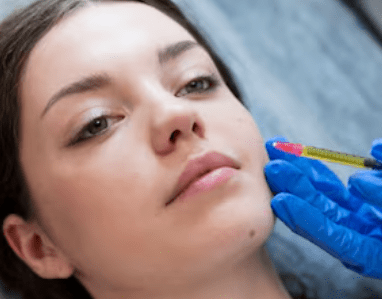
Treatment Overview
Intralesional Steroid Subcision is a specialized acne scar revision technique available in Korean dermatology clinics, designed for patients with tethered, hypertrophic, or inflamed acne scars.
This dual treatment combines subcision, which mechanically breaks down the fibrotic bands and scar tissue that pull the skin downward, with intralesional corticosteroid injections directly into the scar tissue. The steroid component helps to reduce inflammation, soften fibrotic tissue, flatten raised edges, and prevent scar reformation after release.
In Korea, this procedure is often paired with regenerative boosters (PDRN, exosomes), collagen stimulation (microneedling RF, fractional laser), or scar resurfacing therapies to achieve smoother, long-term results.
Purpose & Benefits
- Scar Release: Subcision breaks fibrotic tethering beneath acne scars.
- Inflammation Control: Steroid injection reduces active inflammation in thickened scars.
- Fibrosis Reduction: Prevents re-tethering by softening dense scar tissue.
- Flattening Effect: Improves irregular contour in mixed depressed and raised scars.
- Scar Recurrence Prevention: Reduces risk of fibrosis reforming after subcision.
- Synergistic Healing: Often combined with lasers or fillers for enhanced regeneration.
Ideal Candidates
Intralesional Steroid Subcision in Korea is recommended for:
- Patients with tethered rolling or boxcar scars complicated by fibrotic tissue.
- Individuals with inflamed or early hypertrophic acne scars.
- Those with thickened, stubborn scars unresponsive to lasers or peels alone.
- Patients seeking dual action—scar release plus fibrosis suppression.
- Individuals undergoing multi-step scar revision programs.
Possible Risks & Complications
While generally safe, potential risks include:
- Redness, Bruising, or Swelling at injection and subcision sites.
- Skin Atrophy (thinning) if steroids are overused (rare in low-dose Korean protocols).
- PIH (Post-Inflammatory Hyperpigmentation) – possible but minimized with Korean aftercare.
- Tenderness or Mild Pain for 1–3 days post-procedure.
Korean dermatologists minimize complications by using precisely diluted steroids and microcannula-based subcision techniques.
Surgical Techniques Used
- Subcision: A fine needle or blunt cannula is inserted beneath scars to release fibrotic tissue.
- Intralesional Steroid Injection: Diluted corticosteroid injected into scar tissue to reduce fibrosis and inflammation.
- Combination Therapy: Korean clinics often integrate this with microneedling RF, fractional CO₂ laser, or PDRN injections to accelerate healing.
Protocol: Usually 1–3 sessions, spaced 1–2 months apart depending on scar severity.
Recovery & Aftercare
Immediately: Mild swelling, redness, or bruising at treated sites.
1–3 Days: Tenderness subsides; makeup can cover bruising.
1–2 Weeks: Scar contour begins to look smoother, less inflamed.
1–3 Months: Progressive collagen remodeling and scar softening.
Aftercare Tips:
- Apply cold compress for swelling during the first 24 hours.
- Use SPF 50+ sunscreen daily to protect healing skin.
- Avoid harsh skincare (retinoids, acids, scrubs) for 5–7 days.
- Follow dermatologist’s instructions for follow-up steroid dosing.
Results & Longevity
- After 1 Session: Scars look lifted, less red and thickened.
- After 2–3 Sessions: Significant softening of fibrotic tissue and smoother texture.
- Longevity: Results are long-lasting if fibrosis is well controlled; maintenance may be needed for stubborn scars.
Treatment Process in Korea
Consultation & Scar Analysis
Dermatologist evaluates scar type (rolling, boxcar, hypertrophic) and determines steroid dosing.
Preparation
Topical numbing or local anesthesia; skin sterilized.
Subcision + Steroid Injection Session
- Step 1: Subcision performed with needle or blunt cannula to release fibrotic tissue.
- Step 2: Diluted steroid injected intralesionally into thickened or inflamed scar.
- Step 3: Cooling therapy or LED healing light applied post-procedure.
Duration: 30–45 minutes.
Why Korea is a Top Destination
- Precision Steroid Protocols: Low-dose injections minimize atrophy risk.
- Integrated Approach: Often paired with lasers, fillers, or regenerative boosters.
- Scar-Free Philosophy: Korean dermatology emphasizes smoothing scars while preventing PIH.
- Safe for Asian Skin: Gentle protocols tailored to minimize pigmentation issues.
- Affordable Packages: Advanced scar revision at competitive pricing compared to Western clinics.
Cost Range (Estimated)
- Single Subcision + Steroid Injection Session: USD 250 – 500
- Subcision + Steroid + LED/Soothing Care: USD 350 – 700
- Comprehensive Scar Program (Subcision + Steroid + Laser/Boosters): USD 800 – 1,800 per session
Example Korean Packages:
- Standard Program (1 session): USD 300 – 500
- Advanced Program (2 sessions with scar resurfacing add-ons): USD 800 – 1,200
- Premium Program (2–3 sessions with exosomes/Rejuran + fractional laser): USD 1,800 – 3,200
Popular Clinics in Seoul
- Oracle Dermatology: Subcision + steroid injection for fibrotic acne scars.
- Banobagi Dermatology: Combination of subcision, steroid, and laser resurfacing.
- Renewme Skin Clinic: Intralesional steroid protocols paired with PDRN boosters.
- View Dermatology: Subcision + steroid + microneedling RF for scar regeneration.
- Chaum Anti-Aging Center: Premium scar revision with regenerative add-ons after steroid subcision.


