
Treatment Overview
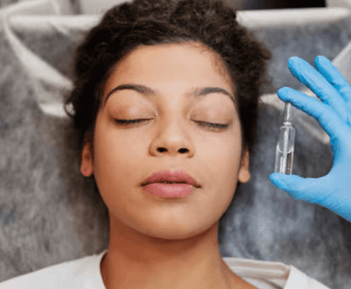
The Dermashine Skin Booster Program is a regenerative treatment offered in Korean dermatology clinics to improve acne scars, pigmentation, skin elasticity, and uneven texture. Unlike lasers that resurface the skin, Dermashine delivers skin boosters directly into the dermis through micro-injections or meso-gun technology.
This procedure uses Juvelook (a hybrid of Hyaluronic Acid + PDLA for hydration + collagen stimulation) and Rejuran S (a PN/PDRN-based scar repair booster). Together, they repair post-acne damage, stimulate collagen remodeling, and enhance skin renewal. In Korea, Dermashine is often integrated into multi-step acne scar programs, combined with subcision, RF microneedling, or light fractional lasers.
Purpose & Benefits
- Scar Remodeling: Juvelook stimulates long-term collagen production, while Rejuran S repairs atrophic scars.
- Hydration & Elasticity: Hyaluronic acid in Juvelook plumps and hydrates skin.
- Skin Healing: Rejuran S accelerates tissue repair and strengthens the barrier.
- Pigmentation Reduction: Helps fade post-acne hyperpigmentation (PIH).
- Texture Refinement: Smooths roughness and reduces pore size.
- Dual Action: Immediate glow + long-term regeneration.
Ideal Candidates
The Dermashine Booster Program in Korea is recommended for:
- Patients with atrophic acne scars (rolling, shallow boxcar, mild icepick).
- Individuals with post-acne pigmentation or dull skin.
- Patients who want regenerative healing without aggressive lasers.
- First-time booster patients seeking hydration + scar correction.
- Those with sensitive or Asian skin needing safer protocols.
Possible Risks & Complications
Dermashine is safe, but temporary side effects may occur:
- Redness & Swelling (1–2 days).
- Pinpoint bruising or bumps at injection sites.
- Mild tenderness or itching post-treatment.
- Rare PIH if aftercare/sun protection is neglected.
- Nodules or unevenness (rare, minimized with skilled injection technique).
Surgical Techniques Used
- Dermashine Injector / Meso-Gun: Distributes Juvelook or Rejuran S evenly across the skin.
- Juvelook: HA + PDLA hybrid booster → hydration + collagen stimulation.
- Rejuran S: PN/PDRN formula for scar repair and skin healing.
- Combination Therapy: May be paired with subcision, RF microneedling, or fractional lasers.
- Protocol: 3–5 sessions, spaced 3–6 weeks apart.
Recovery & Aftercare
- Immediately: Redness, mild swelling, pinpoint injection marks.
- 1–3 Days: Skin calms, hydration improves.
- 1 Week: Visible brightening and smoother texture.
- 1–6 Months: Collagen remodeling continues, scars gradually improve.
Aftercare Tips:
- Avoid makeup for 24–48 hours.
- Keep skin hydrated with soothing barrier creams.
- Avoid acids, retinoids, and exfoliants for 5–7 days.
- Apply SPF 50+ sunscreen daily.
Results & Longevity
- After 1 Session: Plumper, hydrated skin; improved glow.
- After 2–3 Sessions: Noticeable scar softening, pigmentation fading, smoother texture.
- After 4–5 Sessions: Long-term collagen remodeling, firmer, more even skin.
- Longevity: Results last 12–18 months, with maintenance once per year.
Treatment Process in Korea
- Consultation & Skin Analysis
Dermatologist assesses scars, pigmentation, and skin condition to determine booster type. - Preparation
Cleansing; topical numbing cream applied. - Dermashine Booster Session
- Step 1: Dermashine injector or micro-injections deliver Juvelook or Rejuran S.
- Step 2: Cooling therapy or soothing mask applied.
- Step 3: Optional LED therapy to reduce inflammation and enhance healing.
Duration: 30–45 minutes.
Why Korea is a Top Destination
- Advanced Skin Boosters: Korea leads in Juvelook, Rejuran, and PDRN therapies.
- Safe for Asian Skin: Lower PIH risk compared to aggressive resurfacing.
- Multi-Step Protocols: Integrated programs combine boosters + lasers + RF.
- Regeneration Focus: Emphasis on natural healing and collagen support.
- Cost-Effective Premium Care: More affordable than similar Western procedures.
Cost Range (Estimated)
- Single Dermashine Booster Session (Juvelook or Rejuran S): USD 300 – 600
- Booster + LED/Soothing Therapy: USD 400 – 700
- Comprehensive Scar Program (Booster + RF/laser + subcision): USD 1,200 – 2,500 per session
Example Korean Packages:
- Standard Program (3 sessions): USD 900 – 1,500
- Advanced Program (5 sessions with Juvelook + Rejuran): USD 1,800 – 2,800
- Premium Program (5 sessions with boosters + subcision/laser): USD 3,000 – 4,200
Popular Clinics in Seoul
- Oracle Dermatology: Dermashine with Juvelook/PN boosters for acne scars.
- Banobagi Dermatology: Dermashine + subcision programs for deep scars.
- Renewme Skin Clinic: Juvelook & Rejuran S with Dermashine injector system.
- View Dermatology: Acne scar care combining Dermashine boosters with RF microneedling.
- Chaum Anti-Aging Center: Premium booster programs with multi-step scar revision.


