
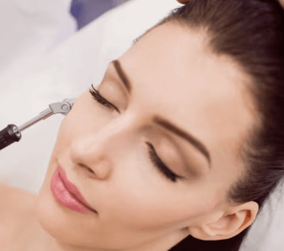
Treatment Overview
Thermage FLX is a premium non-invasive radiofrequency (RF) treatment offered in Korean dermatology clinics for skin tightening, collagen remodeling, and scar support. Unlike microneedling or fractional lasers, Thermage FLX delivers monopolar RF energy deep into the dermis through a specialized tip, stimulating collagen regeneration and firming the skin without damaging the surface.
In acne scar protocols, Thermage FLX is used to strengthen dermal support, improve elasticity, and enhance skin quality. It is often combined with Juvelook, Rejuran S, exosomes, or microneedling treatments to maximize scar remodeling and rejuvenation.
Purpose & Benefits
- Scar Support & Remodeling: Strengthens dermal layers, improving scar depth and resilience.
- Skin Tightening: Firms lax skin around scars and enhances elasticity.
- Texture Refinement: Smooths uneven tone and surface irregularities.
- Collagen & Elastin Production: Long-term dermal remodeling.
- Non-Invasive: No downtime compared to lasers or microneedling.
- Synergistic Effects: Complements Juvelook and Rejuran S for scar correction.
Ideal Candidates
Thermage FLX in Korea is recommended for:
- Patients with mild acne scars combined with skin laxity.
- Individuals seeking scar support + anti-aging benefits.
- Those who prefer non-invasive treatments with little downtime.
- Patients who want to combine Thermage with boosters (Juvelook, Rejuran S) for comprehensive care.
- Individuals with sensitive or Asian skin looking for safe collagen stimulation.
Possible Risks & Complications
Thermage FLX is considered very safe, but mild side effects may include:
- Redness or warmth immediately post-treatment.
- Mild swelling or tenderness, usually resolving within hours.
- Rare temporary fat loss if overtreatment occurs in thin areas.
- Very rare risk of burns or uneven tightening if improperly administered.
Surgical Techniques Used
- Thermage FLX Device: Monopolar RF penetrates dermal layers without surface injury.
- Customizable Tips: Different tips for face, eyes, or body depending on treatment area.
- Combination Therapy: Often paired with Juvelook, Rejuran S, microneedling, or lasers for scar-focused results.
- Protocol: Usually one session annually, with results improving over 3–6 months.
Recovery & Aftercare
- Immediately: Warmth, mild redness, or slight swelling.
- 1–2 Days: Skin returns to normal; tightening effect begins.
- 1–6 Months: Progressive collagen remodeling improves scars and skin firmness.
Aftercare Tips:
- Resume normal activities immediately (no downtime).
- Keep skin hydrated with gentle barrier creams.
- Apply SPF 50+ sunscreen daily to protect collagen renewal.
- Avoid aggressive exfoliants or retinoids for 3–5 days.
Results & Longevity
- After 1 Session: Skin feels firmer, more lifted, and smoother.
- After 3–6 Months: Progressive collagen remodeling reduces scar visibility and improves elasticity.
- Longevity: Results last 12–18 months, with yearly maintenance recommended.
Treatment Process in Korea
- Consultation & Skin Analysis
Dermatologist assesses scar type, skin laxity, and overall treatment goals. - Preparation
Cleansing; a coupling gel applied to ensure proper RF delivery. - Thermage FLX Session
- Step 1: RF pulses delivered across the face with controlled heat.
- Step 2: Cooling technology ensures comfort and safety.
- Step 3: Optional combination with Juvelook, Rejuran S, or exosome boosters for enhanced results.
Duration: 45–60 minutes.
Why Korea is a Top Destination
- Advanced RF Technology: Clinics use the newest Thermage FLX systems with precision tips.
- Safe for Asian Skin: No surface injury, minimal PIH risk.
- Multi-Step Programs: Combined with boosters and scar therapies for comprehensive results.
- Natural Regeneration Approach: Focuses on collagen stimulation and scar-free healing.
- Cost-Effective Premium Care: More affordable in Korea compared to Western countries.
Cost Range (Estimated)
- Single Thermage FLX Session (Face): USD 1,500 – 2,500
- Thermage FLX + Booster (Juvelook or Rejuran S): USD 1,800 – 3,200
- Comprehensive Scar Program (Thermage + Boosters + Microneedling/Laser): USD 3,000 – 4,800 per session
Example Korean Packages:
- Standard Program (1 session): USD 1,500 – 2,500
- Advanced Program (1 Thermage + 2 boosters): USD 2,800 – 3,800
- Premium Program (Thermage + boosters + fractional laser/subcision): USD 4,000 – 5,500
Popular Clinics in Seoul
- Oracle Dermatology: Thermage FLX with scar booster add-ons.
- Banobagi Dermatology: Combined Thermage + Juvelook/Rejuran protocols.
- Renewme Skin Clinic: Thermage with exosome or PN boosters.
- View Dermatology: Anti-aging + acne scar protocols with Thermage.
- Chaum Anti-Aging Center: Premium Thermage FLX with multi-step regenerative boosters.


