
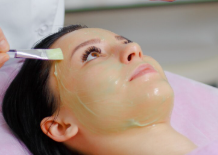
Treatment Overview
Oligio is a next-generation skin tightening treatment from Korea that uses monopolar radiofrequency (RF) energy to stimulate deep collagen remodeling, improve elasticity, and lift sagging skin. Often referred to as the “Korean Thermage,” Oligio delivers heat to the dermis and SMAS layer, creating a firming and lifting effect without surgery.
Unlike HIFU, which uses focused ultrasound energy, Oligio applies RF energy in a controlled manner, allowing for both immediate tightening and progressive collagen regeneration. It is widely used in Korean dermatology clinics for jawline contouring, lifting cheeks, reducing wrinkles, and improving skin tone.
Purpose & Benefits
- Skin Tightening: Provides visible lifting and firming of face and neck.
- Collagen Stimulation: Promotes new collagen and elastin production.
- Jawline Contouring: Reduces sagging jowls and enhances the V-line shape.
- Wrinkle Reduction: Smooths fine lines and softens deep folds.
- Comfort Upgrade: Designed to be more tolerable than older RF devices like Thermage.
- Non-Surgical Alternative: Achieves lifting without downtime or incisions.
Ideal Candidates
Oligio in Korea is recommended for:
- Patients with mild to moderate facial and neck laxity.
- Individuals noticing sagging cheeks, jawline, or under-chin skin.
- Those seeking subtle, natural lifting without surgery.
- Men and women in their 30s–50s looking for preventive or corrective tightening.
- Patients who previously found Thermage too uncomfortable but still want RF-based tightening.
Possible Risks & Complications
Oligio is generally safe, but some mild temporary effects may occur:
- Redness or slight swelling immediately after treatment.
- Warmth or tingling in treated areas.
- Rare bruising or sensitivity.
- Very rare risk of uneven tightening if energy delivery is inconsistent.
Treatment Techniques Used
- Energy Delivery: Monopolar RF energy penetrates deep dermal and SMAS layers.
- Handpiece: Specially designed for consistent energy delivery with less discomfort.
- Treatment Areas: Face, jawline, chin, neck; sometimes used on body areas.
- Protocol: Typically performed in a single session, with effects lasting 12–18 months.
- Combination Therapy: Often paired with HIFU, skin boosters, or thread lifting for enhanced results.
Recovery & Aftercare
- Immediately: Mild redness or warmth, usually resolves within hours.
- 1–2 Days: Skin feels tighter, with minimal tenderness.
- 1–3 Months: Progressive lifting and firming as collagen remodeling occurs.
Aftercare Tips:
- Apply SPF 50+ daily to protect new collagen.
- Keep skin well hydrated with barrier-supportive creams.
- Avoid saunas, hot yoga, or heavy workouts for 1–2 days.
- Gentle skincare routine for a few days (avoid strong acids/retinoids).
Results & Longevity
- After 1 Session: Skin feels firmer and more lifted; jawline more defined.
- After 2–3 Months: Noticeable tightening, wrinkle softening, and contour refinement.
- Longevity: Results last 12–18 months; annual maintenance is recommended.
Treatment Process in Korea
Consultation & Skin Analysis
Dermatologist evaluates sagging areas, wrinkle depth, and treatment goals.
Preparation
Cleansing; topical anesthetic or cooling may be applied for comfort.
Oligio Session
- Step 1: RF energy delivered in precise grid patterns over treatment zones.
- Step 2: Energy penetrates dermis/SMAS for tightening and collagen remodeling.
- Step 3: Soothing mask or cooling therapy applied post-treatment.
Duration: 30–60 minutes depending on treated area.
Why Korea is a Top Destination
- Cutting-Edge RF Device: Oligio developed and refined in Korea as a modern Thermage alternative.
- Asian Skin Expertise: Customized energy levels minimize risk of pigmentation or damage.
- Integrated Care: Often combined with HIFU, threads, or boosters for comprehensive results.
- Focus on Natural Lift: Subtle, refreshed look rather than overdone volume.
- Cost Advantage: More affordable compared to Western Thermage pricing.
Cost Range (Estimated)
- Single Oligio Session (Face/Neck): USD 800 – 1,200
- Oligio + HIFU Combination: USD 1,200 – 2,000
- Comprehensive Program (Oligio + Threads/Boosters): USD 2,000 – 3,500
Popular Clinics in Seoul
- Oracle Dermatology: Offers Oligio for lifting with customized programs.
- Banobagi Dermatology: Combines Oligio with thread lifts and skin boosters.
- Renewme Skin Clinic: Provides Oligio with exosomes and RF microneedling.
- View Dermatology: Uses Oligio for facial contouring and tightening protocols.
- Chaum Anti-Aging Center: Premium Oligio lifting with multi-step anti-aging care.


