
Treatment Overview
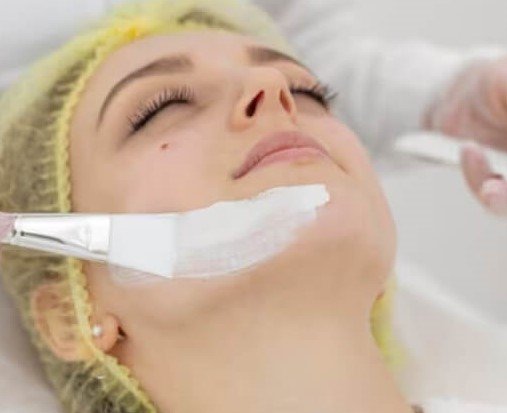
Lactic Acid Peel in Korea is a gentle yet highly effective chemical peel widely used in dermatology clinics for skin brightening, hydration, and overall rejuvenation. Derived from milk, lactic acid is a type of Alpha Hydroxy Acid (AHA) that works by exfoliating dead skin cells, stimulating cell turnover, and enhancing skin texture. Korean dermatologists are known for customizing lactic acid peel treatments to each patient’s skin type and concern, often combining them with advanced Korean whitening technologies to maximize results. This peel is ideal for sensitive skin and those seeking a brightening effect without significant downtime.
Purpose & Benefits
Lactic Acid Peel is designed to improve skin tone, texture, and radiance. Benefits include:
- Reduction of dullness and mild pigmentation.
- Smoother and softer skin texture.
- Brightened complexion with more even skin tone.
- Enhanced hydration and moisture retention.
- Reduced appearance of fine lines and early signs of aging.
- Safe for sensitive or reactive skin types.
Ideal Candidates
This peel is ideal for individuals who:
- Have dull, uneven, or mildly pigmented skin.
- Seek a gentle, non-invasive whitening treatment.
- Have sensitive skin that cannot tolerate stronger chemical peels.
- Want improved hydration and skin softness alongside whitening.
- Desire maintenance treatments to support long-term skin health.
Possible Risks & Complications
Lactic Acid Peel is considered very safe, but some minor side effects may occur:
- Temporary redness, tingling, or mild peeling.
- Increased sensitivity to sun exposure after treatment.
- Rare allergic reaction to peel ingredients.
- Dryness if proper hydration and aftercare are not followed.
Surgical Techniques Used
Although non-surgical, lactic acid peels in Korea involve professional dermatological application techniques:
- Application of lactic acid solution in controlled concentrations (usually 30–50%) based on skin sensitivity.
- Multi-layered application methods for enhanced whitening and exfoliation.
- Combination with Korean whitening serums, vitamin infusions, or LED light therapy for better results.
- Advanced formulations tailored for Korean patients to reduce irritation while maximizing brightening effects.
Recovery & Aftercare
Recovery is usually quick, with most patients experiencing only mild redness or light peeling for 1–3 days. Aftercare in Korean clinics includes:
- Use of gentle cleansers and moisturizers.
- Strict sun protection (SPF 30+ or higher) to prevent pigmentation recurrence.
- Avoiding exfoliating or harsh products for several days.
- Optional follow-up treatments like hydration masks or skin boosters for enhanced whitening.
Results & Longevity
Results can be seen within a week after treatment, including brighter, smoother, and more hydrated skin. For optimal outcomes, dermatologists may recommend a series of 3–6 sessions spaced 2–4 weeks apart, depending on skin condition and whitening goals. With ongoing maintenance and sun protection, the effects can last several months.
Treatment Process in Korea
Korea is a top destination for lactic acid peels due to its precision, innovation, and patient-centered care:
- Detailed skin analysis using digital imaging to select the ideal peel concentration.
- Application of professional-grade lactic acid solution by experienced dermatologists.
- Post-peel care with Korean whitening serums, soothing masks, and hydration therapy.
- Optional combination with laser toning, LED therapy, or infusion treatments for maximized whitening and rejuvenation.
Korean clinics stand out because they customize every treatment and combine traditional peeling with modern dermatology technology, ensuring optimal whitening results with minimal irritation and downtime.
Cost Range
The cost of a Lactic Acid Peel in Korea varies depending on concentration, clinic, and combination with other whitening treatments:
- Single session: KRW 80,000 – KRW 150,000.
- Combination treatments (peel + serum or LED therapy): KRW 200,000 – KRW 350,000.
- Package programs (3–6 sessions): KRW 500,000 – KRW 900,000.
Popular Clinics
Leading Korean clinics offering lactic acid peels include:
- Banobagi Dermatology (Seoul) – advanced whitening peels with personalized protocols.
- Oracle Dermatology Clinics (nationwide) – specialized in brightening treatments for sensitive skin.
- Regen Clinic (Seoul) – combines lactic acid peels with hydration and vitamin infusions.
- ID Hospital Dermatology Center (Seoul) – integrates peel treatments with whitening lasers.
- Wonjin Beauty Medical Group (Seoul) – offers multi-step whitening and skin rejuvenation programs.


