
Treatment Overview
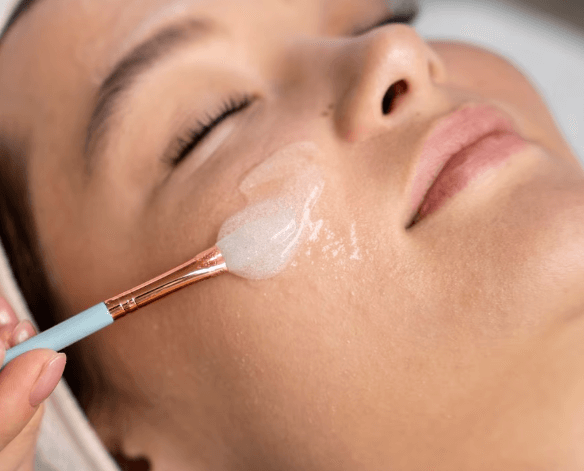
Chemical Whitening Peel is a widely sought-after dermatology treatment in Korea designed to reduce melanin, lighten pigmentation, and restore a radiant, even skin tone. This treatment uses chemical agents such as glycolic acid, salicylic acid, lactic acid, or trichloroacetic acid (TCA) to exfoliate the outermost layers of the skin, removing dead cells and stimulating regeneration. In Korea, dermatologists combine chemical peels with advanced techniques like infusion therapy, laser toning, or multi-layered peel applications, ensuring safe, effective results. Korea’s reputation as a global hub for skincare innovation attracts patients worldwide seeking superior results with minimal downtime.
Purpose & Benefits
Chemical Whitening Peels aim to control melanin production and improve overall skin quality. Benefits include:
- Reduction of hyperpigmentation, melasma, and sunspots
- Even and brighter skin tone
- Smoother skin texture and reduced fine lines
- Shrinking enlarged pores and reducing acne scars
- Increased absorption of active skincare ingredients
- Safe, non-invasive, and customizable to skin type
Ideal Candidates
Chemical Whitening Peels are suitable for individuals who:
- Have uneven pigmentation, dark spots, or post-acne marks
- Wish to lighten melasma or age-related skin discoloration
- Prefer a non-surgical solution for radiant skin
- Want gradual, natural skin brightening
- Can follow post-peel sun protection and care instructions
Not suitable for those with severe active acne, open wounds, or highly sensitive skin without consultation.
Possible Risks & Complications
While generally safe, chemical peels may cause:
- Temporary redness, irritation, or stinging
- Mild dryness or peeling for several days
- Increased sun sensitivity
- Rarely, hyperpigmentation or scarring if post-care is neglected
Korean dermatologists minimize risks with precise acid concentrations, skin analysis, and customized peeling protocols.
Surgical Techniques Used
Chemical Whitening Peels in Korea use advanced non-surgical techniques to maximize safety and results:
- Layered peel application – Multiple acid layers for controlled exfoliation
- Combination peels – Blending AHA, BHA, or PHA to target multiple pigmentation concerns
- Device-assisted infusion – Micro-infusion systems for deeper penetration and uniform coverage
- Soothing and neutralization technology – Cooling masks or serums to reduce irritation and enhance recovery
Recovery & Aftercare
Recovery is generally quick, with peeling or mild redness lasting 2–5 days. Recommended aftercare includes:
- Gentle cleansing and moisturization
- Daily broad-spectrum sunscreen to prevent pigmentation rebound
- Avoiding harsh scrubs or chemical products for at least one week
- Optional soothing masks or LED therapy as recommended by Korean clinics
Results & Longevity
Patients typically notice brighter, smoother skin within one week. For significant melanin reduction, multiple sessions spaced 3–6 weeks apart are advised. With proper aftercare and sun protection, results can last 6–12 months. Many patients in Korea maintain their glow with periodic touch-up treatments.
Treatment Process in Korea
Korea is recognized globally for its advanced dermatology and aesthetic treatments. The chemical whitening peel process usually involves:
- Comprehensive skin analysis using high-resolution devices to assess pigmentation depth and skin condition
- Pre-peel cleansing and preparation to remove oils and impurities
- Application of chemical peel solution with careful control of concentration and timing
- Neutralization and soothing with calming masks or serums
- Optional combination therapy – such as LED light therapy or infusion of brightening agents for faster results
Korean clinics are renowned for combining chemical peels with custom whitening protocols, high-tech devices, and precise application techniques. This makes Korea a top destination for safe, effective, and long-lasting melanin reduction treatments.
Cost Range
The cost of a chemical whitening peel in Korea depends on the clinic, acid type, and whether combination therapies are included:
- Basic single-session peel: 100,000 – 200,000 KRW (USD $75 – $150)
- Customized multi-layer peel: 200,000 – 400,000 KRW (USD $150 – $300)
- Premium packages (4–6 sessions with LED/infusion therapy): 800,000 – 1,500,000 KRW (USD $600 – $1,100)
Popular Clinics
Some of the most reputable clinics for chemical whitening peels in Korea include:
- Banobagi Dermatology – Offers personalized peeling and whitening programs
- ID Dermatology Clinic – Known for advanced skin rejuvenation and pigmentation control
- Oracle Dermatology Clinic – Specializes in chemical peels combined with whitening therapies
- Cinderella Plastic Surgery & Dermatology – Provides multi-session whitening packages
- REGEN Dermatology Clinic – Combines chemical peeling with laser and infusion therapies for melanin reduction


