
Treatment Overview
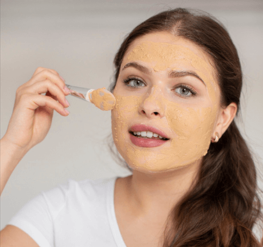
Kojic Acid Brightening Therapy is a highly popular dermatology treatment in Korea for reducing melanin, lightening pigmentation, and improving overall skin tone. Kojic acid is a naturally derived compound that inhibits tyrosinase, the enzyme responsible for melanin production, making it effective for hyperpigmentation, dark spots, and melasma. In Korea, dermatologists often combine kojic acid with other brightening agents such as arbutin, niacinamide, or vitamin C, or integrate it with advanced techniques like micro-needling, chemical peels, or infusion therapy, ensuring faster and safer results. Korea’s advanced dermatology clinics are recognized worldwide for precision, innovation, and tailored whitening protocols.
Purpose & Benefits
The main purpose of Kojic Acid Brightening Therapy is to reduce pigmentation and enhance skin radiance. Key benefits include:
- Reduction of melasma, sunspots, and post-acne hyperpigmentation
- Brighter, more even skin tone
- Smoother skin texture and improved elasticity
- Prevention of new pigmentation formation
- Safe, non-invasive treatment suitable for most skin types
- Can be combined with other Korean whitening therapies for enhanced results
Ideal Candidates
Kojic Acid Brightening Therapy is ideal for individuals who:
- Have uneven skin tone, dark spots, or melasma
- Prefer non-invasive topical or infusion-based whitening treatments
- Are seeking gradual, natural-looking skin brightening
- Can adhere to post-treatment sun protection and care routines
- Wish to combine therapy with other Korean whitening procedures for optimal results
It is generally not recommended for pregnant or breastfeeding women or individuals with known sensitivity to kojic acid without prior consultation.
Possible Risks & Complications
Kojic acid therapy is safe when performed under professional supervision, but possible side effects include:
- Mild redness, irritation, or itching at the application site
- Dryness or flaking of the skin
- Rare allergic reactions in sensitive individuals
Korean dermatologists minimize risks by customizing concentration, monitoring skin response, and integrating kojic acid with soothing post-care protocols.
Surgical Techniques Used
Although Kojic Acid Brightening Therapy is non-surgical, Korean clinics use advanced techniques to maximize results:
- Customized application – Concentration and frequency tailored to pigmentation severity and skin type
- Combination therapy – Blending kojic acid with arbutin, vitamin C, or niacinamide for synergistic whitening
- Adjunctive procedures – Using micro-needling, chemical peels, or infusion therapy to enhance absorption and effectiveness
- Patient-specific protocols – Personalized Korean whitening programs to minimize irritation and optimize outcomes
Recovery & Aftercare
Recovery is minimal since this is a topical or infusion-based therapy. Aftercare recommended by Korean dermatologists includes:
- Daily broad-spectrum sunscreen to prevent pigmentation rebound
- Gentle cleansing and moisturizing
- Avoiding harsh exfoliants for 5–7 days
- Following Korean dermatology-recommended application schedules or infusion protocols for maximum efficacy
Results & Longevity
Patients typically notice gradual improvements within 2–4 weeks, with brighter, more even skin tone and reduced pigmentation. Optimal results usually require multiple sessions or consistent topical use over 1–2 months. Long-term effects are maintained with sun protection and periodic follow-up sessions in Korea. Combination with other whitening treatments can prolong and enhance results.
Treatment Process in Korea
Korean clinics provide a comprehensive and customized approach for Kojic Acid Brightening Therapy:
- Initial consultation and skin analysis to assess pigmentation type and severity
- Prescription or professional application of kojic acid formulation
- Integration with complementary therapies like infusion, micro-needling, or chemical peels for enhanced penetration
- Monitoring and follow-up visits to adjust concentrations and ensure safety
- Patient education on sun protection, skincare routines, and maintenance protocols
Korea’s top dermatology clinics are globally recognized for advanced delivery methods, precise dosing, and combination whitening protocols, making it a preferred destination for safe and effective melanin reduction.
Cost Range
The cost of Kojic Acid Brightening Therapy in Korea varies depending on clinic, concentration, and combination with other treatments:
- Single topical or infusion session: 80,000 – 180,000 KRW (USD $60 – $135)
- Package of 4–6 sessions: 300,000 – 800,000 KRW (USD $225 – $600)
- Premium combination programs (with micro-needling, peels, or other infusion therapies): 900,000 – 1,500,000 KRW (USD $675 – $1,100)
Popular Clinics
Some of the most trusted clinics in Korea for Kojic Acid Brightening Therapy include:
- Banobagi Dermatology – Offers customized whitening protocols including kojic acid therapies
- ID Dermatology Clinic – Known for advanced combination treatments for melanin reduction
- Oracle Dermatology Clinic – Provides integrated whitening programs with kojic acid, peels, and infusion therapies
- Cinderella Plastic Surgery & Dermatology – Specializes in multi-session brightening packages
- REGEN Dermatology Clinic – Combines kojic acid therapy with laser and topical whitening treatments for optimal results


