
Treatment Overview
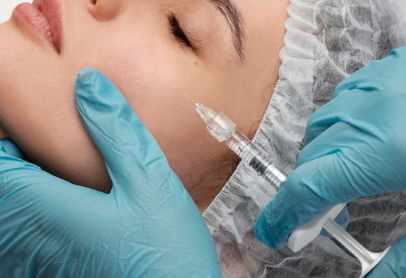
Botox injection for facial contouring is a highly popular non-surgical cosmetic procedure in Korea designed to reshape and enhance the natural structure of the face. By strategically injecting botulinum toxin (Botox) into specific facial muscles, dermatologists can slim bulky areas, soften angles, and create a more balanced, V-shaped appearance. Common areas targeted include the masseter muscles for jaw slimming, the temporalis muscles, and sometimes the chin or forehead to achieve overall facial harmony. Korea is globally recognized for its advanced expertise in facial aesthetics, offering precise, natural-looking results that preserve expressions while improving facial proportions.
Purpose & Benefits
The main purpose of Botox for facial contouring is to achieve a slimmer, more symmetrical, and aesthetically balanced face without surgery. Key benefits include:
- Reduces the width of the lower face by slimming the masseter muscles
- Softens angular or square jawlines to create a V-shaped appearance
- Non-surgical and minimally invasive procedure with minimal downtime
- Quick treatment, often completed in under 30 minutes
- Enhances overall facial harmony and youthful appearance
- Can be combined with other cosmetic treatments like dermal fillers or skin boosters for enhanced results
This treatment is particularly suitable for individuals who desire subtle yet noticeable facial slimming and improved facial proportions without undergoing invasive surgery.
Ideal Candidates
Ideal candidates for Botox facial contouring include:
- Individuals with a wide or square-shaped lower face due to enlarged masseter muscles
- Those seeking non-surgical facial slimming solutions
- Patients with good overall health and realistic expectations
- Individuals who want natural-looking results that preserve facial expressions
- People willing to undergo maintenance treatments for long-term results
The procedure is generally not recommended for pregnant or breastfeeding women, individuals with neuromuscular disorders, or those allergic to botulinum toxin.
Possible Risks & Complications
Although Botox is considered safe, potential side effects may include:
- Mild swelling, redness, or bruising at the injection site
- Temporary tenderness or discomfort in the treated areas
- Rare asymmetry if injections are not precisely administered
- Slight reduction in chewing strength if masseter muscles are treated, which typically resolves within weeks
Korean dermatologists minimize risks through precise injection techniques, customized dosing, and careful evaluation of facial anatomy.
Surgical Techniques Used
While non-surgical, Botox for facial contouring employs advanced Korean techniques to achieve optimal results:
- Targeted micro-injections – Precisely delivered into specific facial muscles, such as masseter and temporalis
- Customized dosing – Adjusted according to muscle size, facial anatomy, and desired slimming effect
- Gradual natural improvement – The slimming effect develops over several weeks, preserving natural expressions
- Combination protocols – Often combined with dermal fillers, chin Botox, or non-surgical nose and cheek contouring for enhanced facial harmony
- Expression preservation – Ensures normal facial function, including chewing and smiling, is maintained
Recovery & Aftercare
Recovery is minimal, allowing patients to resume normal activities immediately. Recommended Korean aftercare includes:
- Avoid rubbing or massaging the treated areas for 24 hours
- Refrain from strenuous jaw or facial exercises for 24–48 hours
- Avoid heat exposure, saunas, or hot baths on the first day
- Attend follow-up appointments to monitor results and adjust treatment if necessary
Results & Longevity
Visible results usually appear within 2–4 weeks, with full effects noticeable after 6–8 weeks. The slimming and contouring effect typically lasts 4–6 months, after which repeat treatments are recommended to maintain the results. Gradual, consistent treatments can provide long-term facial harmony and improved jawline definition.
Treatment Process in Korea
The Botox facial contouring procedure in Korea generally involves:
- Comprehensive consultation to assess facial structure, muscle size, and aesthetic goals
- Marking precise injection points for targeted muscle relaxation
- Micro-injections of Botox tailored to achieve a slimmer, balanced facial contour
- Immediate evaluation to ensure symmetry and natural appearance
- Post-treatment guidance for optimal results and long-term maintenance
Korean clinics are globally recognized for highly skilled dermatologists, meticulous injection techniques, modern facilities, and integration with complementary aesthetic treatments, ensuring subtle, natural, and harmonious facial contouring results.
Cost Range
The cost of Botox for facial contouring in Korea varies depending on the clinic, number of units used, and expertise of the injector:
- Single session: 250,000 – 600,000 KRW (USD $190 – $450)
- Premium clinics or combination treatments: 700,000 – 1,200,000 KRW (USD $525 – $900)
Popular Clinics
Leading clinics in Korea for Botox facial contouring include:
- Banobagi Dermatology – Known for precise, natural-looking injectable treatments
- ID Dermatology Clinic – Offers customized Botox protocols for jaw and facial contouring
- Oracle Dermatology Clinic – Specializes in non-surgical facial aesthetics
- Cinderella Plastic Surgery & Dermatology – Combines Botox with fillers and other treatments for enhanced facial harmony
- REGEN Dermatology Clinic – Provides advanced injectable treatments with expert injector teams


