
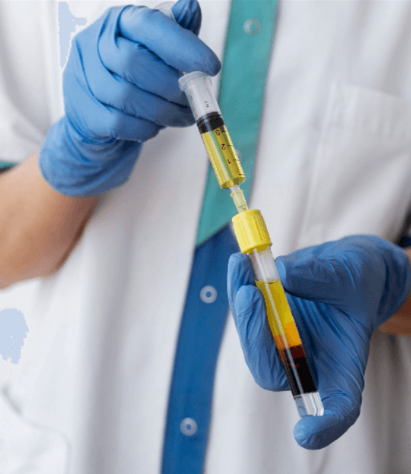
Treatment Overview
The Anti-Aging PRP Facial in Korea is one of the most popular regenerative skincare treatments designed to reduce fine lines, wrinkles, and sagging skin while promoting a naturally youthful glow. Using the patient’s own Platelet-Rich Plasma (PRP) extracted from their blood, this therapy stimulates collagen and elastin production, repairing age-related damage and improving overall skin quality. Korean dermatologists have mastered the art of combining PRP with cutting-edge technologies like micro-needling, fractional lasers, and skin boosters, making Korea a global leader in natural anti-aging treatments.
Purpose & Benefits
- Reduces fine lines, wrinkles, and early signs of aging
- Improves skin elasticity, firmness, and overall hydration
- Promotes collagen and elastin regeneration for long-term rejuvenation
- Restores radiance and youthful glow without synthetic fillers
- Enhances results when combined with Korean methods like Rejuran Healer or exosome therapy
- Safe and natural since PRP comes from the patient’s own blood
Ideal Candidates
- Individuals experiencing mild to moderate wrinkles or sagging skin
- Patients seeking non-surgical anti-aging alternatives
- Adults who want gradual, natural results without drastic changes
- People looking to boost results from other facial rejuvenation treatments
- Those preferring minimally invasive solutions with minimal downtime
Possible Risks & Complications
While considered very safe, some mild side effects may include:
- Temporary redness, swelling, or bruising at injection sites
- Slight sensitivity or tingling for a few hours post-procedure
- Rare risk of infection if aftercare is ignored
- Uneven skin texture temporarily while healing
Since PRP uses the patient’s own plasma, the risk of allergic reactions or long-term complications is extremely low compared to synthetic fillers or Botox.
Surgical Techniques Used
Although not a traditional surgery, Korean dermatology clinics apply advanced minimally invasive techniques for Anti-Aging PRP Facials:
- PRP Micro-Needling Infusion – Tiny controlled punctures allow plasma absorption and trigger collagen repair.
- PRP Injections for Wrinkles – Direct plasma injections into areas like nasolabial folds or under-eyes to smooth fine lines.
- Fractional Laser + PRP – A combination that resurfaces aged skin while plasma accelerates recovery.
- PRP + Korean Skin Boosters – Treatments such as Rejuran, exosomes, and hyaluronic acid blends are paired with PRP for enhanced anti-aging effects.
Recovery & Aftercare
- Downtime is minimal, with most redness and swelling fading in 1–2 days.
- Patients should avoid direct sun exposure and apply sunscreen daily.
- Skincare should be gentle—no harsh exfoliants or strong acids for at least one week.
- Makeup can usually be worn 24–48 hours post-treatment.
- Hydration and follow-up sessions as recommended by the dermatologist help extend results.
Results & Longevity
- Initial improvements are visible within 2–3 weeks, with continued collagen regeneration for up to 3 months.
- Skin appears smoother, plumper, and more radiant with fewer wrinkles.
- Results typically last 12–18 months, depending on lifestyle and skin condition.
- Maintenance treatments once or twice a year help preserve youthful results.
Treatment Process in Korea
Korea is recognized as a global hub for anti-aging skincare, attracting thousands of medical tourists annually. The treatment process is highly systematic and patient-focused:
- Consultation & Digital Skin Analysis – Korean clinics use advanced 3D scanners and AI-based diagnostic tools.
- Blood Extraction & PRP Separation – The patient’s blood is processed with next-generation centrifuge systems to extract high-quality plasma.
- Application Method – Depending on skin concerns, PRP is applied via injections, micro-needling, or in combination with fractional laser therapy.
- Post-Treatment Skin Soothing – Clinics often add K-beauty exclusive aftercare like oxygen dome therapy, LED light healing, or herbal cooling masks to enhance results and reduce downtime.
Why Korea is a top destination:
- Advanced technology and equipment specifically for regenerative dermatology
- Highly skilled dermatologists specializing in natural anti-aging methods
- Unique Korean protocols that combine PRP with skin boosters and K-beauty innovation
- Affordable packages compared to Western countries, often with English-speaking medical staff
Cost Range
Pricing depends on the clinic, technology, and whether PRP is combined with other rejuvenation treatments:
- PRP Anti-Aging Facial (Single Session): 300,000 – 600,000 KRW (≈ USD 230 – 460)
- PRP + Micro-Needling Package: 500,000 – 800,000 KRW (≈ USD 380 – 610)
- PRP + Laser Rejuvenation: 800,000 – 1,300,000 KRW (≈ USD 610 – 1,000)
- Full Package (3–5 Sessions): 1,800,000 – 3,200,000 KRW (≈ USD 1,380 – 2,450)
These prices make Korea a cost-effective yet premium destination for anti-aging treatments compared to Europe or the U.S.
Popular Clinics
- Banobagi Dermatology (Seoul) – Specialized in anti-aging PRP facials with combination therapies.
- Oracle Dermatology (Nationwide) – Renowned for customized facial rejuvenation with English support.
- Cinderella Anti-Aging Clinic (Gangnam) – Offers PRP with Korean booster cocktails for maximum results.
- ID Hospital Skin Center (Seoul) – Known for advanced anti-aging and scar correction protocols.
- Regen Dermatology (Seoul) – Popular among international patients for PRP + laser rejuvenation.


