
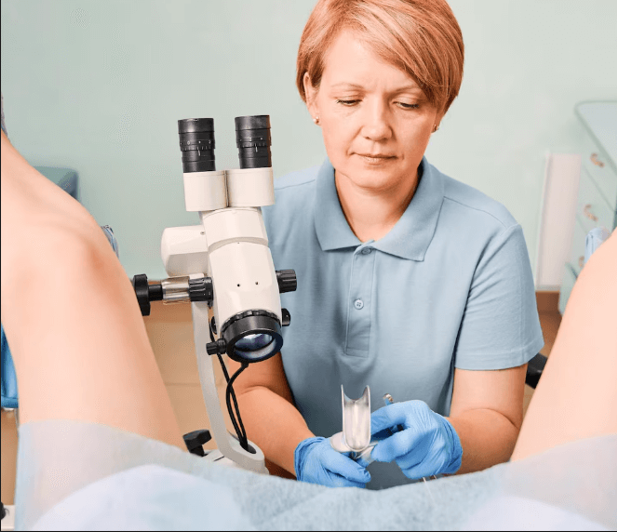
Treatment Overview
A colposcopy examination in Korea is a specialized diagnostic procedure performed as part of an annual gynecology checkup when abnormal cervical cancer screening results are detected. It involves using a colposcope—a magnifying instrument with a light source—to closely examine the cervix, vagina, and vulva for abnormal cell changes.
Korea is globally recognized for its advanced women’s health services, combining precision diagnostic tools with patient-centered care. Colposcopy is often performed after an abnormal Pap smear or HPV test result, allowing Korean gynecologists to accurately identify precancerous or cancerous lesions and determine whether a biopsy is necessary. With world-class medical facilities and English-speaking specialists, Korea has become a trusted destination for preventive and diagnostic gynecological care.
Purpose & Benefits
The main purpose of colposcopy is to provide a clearer and more detailed view of cervical tissues following abnormal test results.
Benefits include:
- Early detection of precancerous changes or cervical cancer
- Evaluation of abnormal Pap smear or HPV findings
- Ability to perform directed biopsies during the same examination
- Painless and minimally invasive procedure
- Essential step in maintaining long-term cervical and reproductive health
Ideal Candidates
A colposcopy examination in Korea is recommended for:
- Women with abnormal Pap smear or HPV DNA test results
- Patients with suspicious cervical lesions or unexplained vaginal bleeding
- Women experiencing chronic pelvic pain or abnormal discharge
- Those with a history of cervical cancer or precancerous conditions
- Patients under follow-up care after treatment for cervical dysplasia
Possible Risks & Complications
Colposcopy is generally safe and well-tolerated, but possible minor risks include:
- Light vaginal spotting or bleeding after the procedure
- Mild discomfort during examination
- Rare infection at biopsy site
- Temporary anxiety due to waiting for biopsy results
Surgical Techniques Used
While colposcopy itself is non-surgical, it may involve minor procedures for accurate diagnosis:
- Colposcope Examination: Magnified visual inspection of the cervix and surrounding tissue
- Acetic Acid & Iodine Application: Highlights abnormal areas for better visualization
- Cervical Biopsy (if required): Tissue samples collected for laboratory testing
- Endocervical Curettage: Removal of cells from the cervical canal when necessary
Korean clinics often use digital colposcopy with high-resolution imaging, allowing for enhanced accuracy and documentation of findings.
Recovery & Aftercare
Colposcopy is an outpatient procedure with minimal downtime. Most patients can resume normal activities immediately. If a biopsy is performed, patients may experience light spotting for a few days. Aftercare recommendations include:
- Avoiding sexual intercourse, tampon use, or douching for a few days after biopsy
- Monitoring for unusual heavy bleeding or discharge
- Returning for a follow-up consultation once biopsy results are ready
Results & Longevity
Colposcopy provides immediate visual insights into cervical health. Biopsy results, if taken, are usually available within 3–7 days in Korean hospitals. The examination allows long-term management of cervical conditions, with repeat colposcopy only needed if abnormalities persist.
Treatment Process in Korea
Korea offers a highly efficient and patient-friendly colposcopy process:
- Initial Consultation – Review of Pap smear or HPV results and patient history
- Colposcopy Procedure – 10–20 minutes, performed with advanced imaging technology
- Biopsy (if needed) – Quick and precise sampling of suspicious tissue
- Post-Procedure Care – Patients return home the same day with minimal restrictions
- Result Interpretation & Follow-Up – Doctors explain biopsy findings and recommend further care
Unique Korean strengths:
- Use of digital high-resolution colposcopes with AI-assisted imaging
- Integration of colposcopy with comprehensive women’s health checkups
- Fast turnaround for results, often within a week
- Availability of international care centers, making Korea a medical tourism hub for women’s health
Cost Range
Colposcopy costs in Korea are affordable compared to Western countries, with prices varying depending on the facility and whether a biopsy is required.
- Basic colposcopy: KRW 100,000 – 200,000 (USD 75 – 150)
- Colposcopy with biopsy: KRW 200,000 – 400,000 (USD 150 – 300)
- Comprehensive gynecological checkup including colposcopy: KRW 500,000 – 900,000 (USD 370 – 670)
For international patients, premium packages may also include Pap smear, HPV DNA testing, pelvic ultrasound, and breast cancer screening.
Popular Clinics
- Samsung Medical Center, Seoul – Advanced diagnostic imaging with international patient support
- Asan Medical Center, Seoul – Renowned for gynecologic oncology and preventive screenings
- Severance Hospital (Yonsei University), Seoul – Offers comprehensive women’s cancer prevention programs
- CHA Medical Center, Seoul – Specialized in reproductive health and gynecological oncology
- Gangnam Severance Health Check-Up Center – Premium packages for local and international patients


