
Treatment Overview
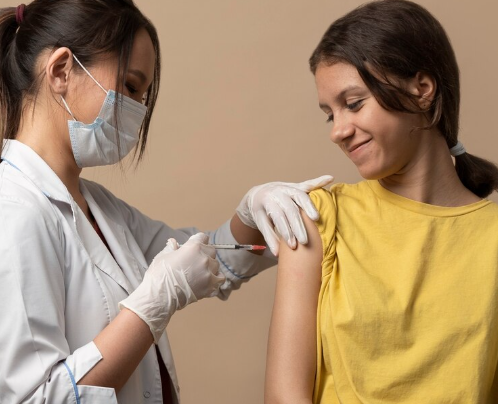
HPV vaccination for women in Korea is an essential preventive measure against cervical cancer and other HPV-related diseases. Human Papillomavirus (HPV) is the most common sexually transmitted infection worldwide, and certain strains are directly linked to cervical, vaginal, vulvar, and anal cancers, as well as genital warts. Vaccination significantly lowers the risk of developing these conditions.
In Korea, HPV vaccination has become a key component of annual gynecology checkups and preventive women’s healthcare. The country’s advanced medical infrastructure, highly skilled gynecologists, and government-supported vaccination programs make it one of the top destinations in Asia for safe, affordable, and effective HPV immunization.
Purpose & Benefits
The HPV vaccine is designed to protect women from high-risk HPV strains that cause most cases of cervical cancer.
Key benefits include:
- Protection against HPV types 16 and 18, which cause ~70% of cervical cancers
- Coverage for low-risk strains that cause genital warts (in quadrivalent and nonavalent vaccines)
- Reduced risk of other HPV-related cancers (vulvar, vaginal, anal, and oropharyngeal cancers)
- Long-term immunity and enhanced reproductive health outcomes
- Peace of mind as part of preventive gynecological care
Ideal Candidates
HPV vaccination is recommended for:
- Girls and women aged 9–26 years (ideal age for maximum effectiveness)
- Women aged up to 45 years (may still benefit after discussion with a gynecologist)
- Women who are sexually active or planning to become sexually active
- Women with no prior HPV vaccination history
- Patients seeking comprehensive women’s health and cancer prevention during annual checkups
Possible Risks & Complications
HPV vaccination is safe and well-studied, but mild side effects can occur:
- Pain, redness, or swelling at the injection site
- Mild fever, headache, or fatigue
- Temporary dizziness or nausea
- Very rare allergic reactions (clinics in Korea monitor patients post-vaccination)
Surgical Techniques Used
HPV vaccination is non-surgical and involves a simple intramuscular injection. In Korea, the following vaccines are commonly used:
- Cervarix (Bivalent): Protects against HPV 16 and 18
- Gardasil (Quadrivalent): Protects against HPV 6, 11, 16, and 18
- Gardasil 9 (Nonavalent): Protects against nine HPV strains (6, 11, 16, 18, 31, 33, 45, 52, 58) – most comprehensive protection
Administration schedule:
- 3-dose schedule (0, 2, and 6 months) for women starting vaccination after age 15
- 2-dose schedule (0 and 6 months) for girls vaccinated before age 15
Recovery & Aftercare
No downtime is required after HPV vaccination. Patients can resume normal activities immediately. Aftercare recommendations include:
- Monitoring for 15–20 minutes post-injection to rule out allergic reactions
- Using ice packs or pain relievers for mild injection-site discomfort
- Completing the full vaccination schedule for maximum protection
Results & Longevity
HPV vaccination offers long-lasting immunity. Studies show protection for at least 10–15 years, with evidence suggesting even longer durability. Booster shots are not currently recommended.
Once completed, the vaccination significantly lowers the lifetime risk of cervical and other HPV-related cancers, but women should still continue regular Pap smears and cervical cancer screenings for comprehensive protection.
Treatment Process in Korea
Korea’s medical system makes HPV vaccination highly accessible and patient-friendly:
- Consultation & Medical History Review – Doctors assess age, risk factors, and vaccination history.
- Vaccine Selection – Based on patient needs (Gardasil 9 is the most common choice for broader protection).
- Vaccination Schedule – Injections administered in one of Korea’s advanced hospitals or women’s clinics.
- Post-Vaccination Monitoring – Patients are observed briefly for safety.
- Follow-Up Appointments – Scheduled to complete the full dose cycle.
Unique Korean strengths:
- Access to Gardasil 9, the most advanced vaccine with extended coverage
- Government vaccination support for younger women and school-age girls
- Integration of HPV vaccination into comprehensive women’s checkup packages
- Highly efficient medical tourism services with English-speaking staff
Cost Range
HPV vaccination in Korea is competitively priced compared to the US and Europe. Costs depend on the type of vaccine and the number of doses.
- Cervarix (2–3 doses): KRW 150,000 – 200,000 per dose (USD 110 – 150)
- Gardasil (Quadrivalent, 3 doses): KRW 180,000 – 250,000 per dose (USD 130 – 190)
- Gardasil 9 (Nonavalent, 3 doses): KRW 200,000 – 300,000 per dose (USD 150 – 220)
- Comprehensive gynecology package (HPV vaccination + Pap smear + pelvic exam): KRW 700,000 – 1,200,000 (USD 520 – 900)
Popular Clinics
- Severance Hospital (Yonsei University Health System, Seoul) – Renowned for preventive gynecology and HPV vaccination programs.
- Asan Medical Center, Seoul – Offers advanced women’s health services and cancer prevention.
- Samsung Medical Center, Seoul – Provides international-standard vaccination programs with English-speaking care.
- CHA Medical Center, Seoul – Specialized in reproductive health, fertility, and preventive vaccines.
- Gangnam Severance Health Check-Up Center – Premium vaccination and gynecology screening packages for international patients.


