
Treatment Overview
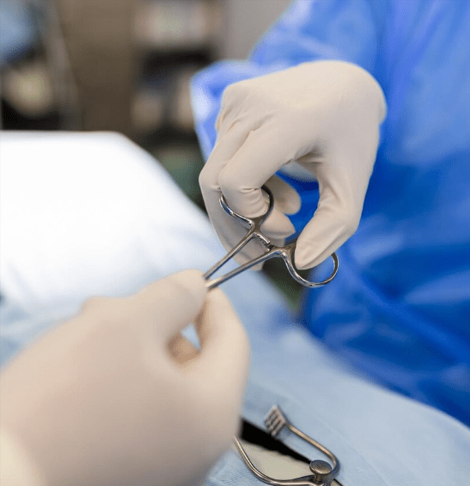
Endometriosis surgical adhesiolysis in Korea is a precise, minimally invasive surgical procedure aimed at removing adhesions (scar tissue) formed due to endometriosis or prior surgeries. Adhesions can cause chronic pelvic pain, infertility, bowel or bladder dysfunction, and reduced quality of life.
Korea is a global leader in advanced laparoscopic and laser-assisted adhesiolysis. Highly skilled gynecologic surgeons utilize high-definition imaging, robotic-assisted surgery, and laser technology to accurately remove adhesions while preserving surrounding healthy tissue. This ensures faster recovery, lower complication rates, and improved reproductive outcomes.
Purpose & Benefits
The main purposes of surgical adhesiolysis for endometriosis are to:
- Relieve pelvic pain caused by adhesions.
- Restore normal pelvic anatomy and function.
- Improve fertility outcomes.
- Reduce the risk of adhesion recurrence.
Key benefits include:
- Minimally invasive surgery with short recovery times.
- Precision removal of scar tissue with reduced risk of organ damage.
- Long-term relief from chronic pain.
- Enhanced fertility potential.
Ideal Candidates
Surgical adhesiolysis is suitable for women who:
- Have severe pelvic pain due to adhesions.
- Have confirmed adhesion-related infertility.
- Have a history of prior pelvic surgeries with adhesion formation.
- Prefer minimally invasive treatment to preserve reproductive function.
Korean specialists conduct detailed preoperative diagnostics, including imaging and laparoscopy, to plan the most effective adhesiolysis approach.
Possible Risks & Complications
Although adhesiolysis is generally safe, potential risks may include:
- Temporary pelvic pain or cramping post-surgery.
- Spotting or minor bleeding.
- Infection or delayed healing.
- Rare injury to bowel, bladder, or reproductive organs.
- Recurrence of adhesions.
Korean medical teams minimize risks through advanced surgical techniques and strict post-operative protocols.
Techniques Used
Korean clinics employ a variety of advanced adhesiolysis techniques:
- Laparoscopic Adhesiolysis: Minimally invasive, high-definition surgery to precisely remove adhesions.
- Laser Adhesiolysis: High-precision laser energy to separate scar tissue without damaging healthy tissue.
- Robotic-Assisted Adhesiolysis: Enhanced dexterity and visualization for complex adhesions.
- Hydrodissection Adhesiolysis: Using controlled fluid pressure to gently separate adhesions.
- Fertility-Preserving Techniques: Protecting reproductive organs during adhesiolysis.
These techniques showcase Korea’s leadership in precision gynecological surgery and reproductive care.
Recovery & Aftercare
Recovery after surgical adhesiolysis is generally fast:
- Light activities can be resumed within 1–2 days.
- Full recovery is typically achieved within 2–4 weeks.
- Mild pain, bloating, or spotting may persist for a few days.
Korean clinics provide comprehensive aftercare, including pain management, hormone therapy if needed, and fertility counseling to support recovery and prevent recurrence.
Results & Longevity
Surgical adhesiolysis for endometriosis in Korea often results in:
- Significant reduction in chronic pelvic pain.
- Restored pelvic anatomy and improved organ function.
- Increased likelihood of conception.
- Reduced risk of adhesion recurrence with proper post-operative care.
Long-term success depends on surgical precision, postoperative care, and ongoing management of endometriosis.
Treatment Process in Korea
The process generally includes:
- Initial Consultation: Review of symptoms, history, and prior treatments.
- Diagnostic Assessment: Imaging and laparoscopy to evaluate adhesions.
- Surgical Planning: Customized adhesiolysis plan.
- Procedure: Minimally invasive laparoscopic or laser-assisted adhesiolysis.
- Postoperative Care: Pain control, hormone therapy, lifestyle guidance, and regular follow-ups.
Korea’s surgical precision and patient-focused approach make it a leading choice for adhesiolysis treatment.
Cost Range
Costs vary based on complexity:
- Diagnostic laparoscopy for adhesion evaluation: ₩1,500,000 – ₩3,000,000 (USD 1,150–2,300).
- Laparoscopic surgical adhesiolysis: ₩5,000,000 – ₩10,000,000 (USD 3,800–7,700).
- Comprehensive post-surgical care packages: ₩8,000,000+ (USD 6,150+).
Korean clinics offer transparent pricing and tailored treatment packages.
Top Clinics for Endometriosis Surgical Adhesiolysis in Korea
- CHA Women’s Medical Center (Seoul) – Leaders in advanced laparoscopic and laser adhesiolysis.
- Maria Women’s Clinic – Expertise in fertility-preserving adhesiolysis.
- MizMedi Women’s Hospital – Advanced surgical care with minimal invasiveness.
- Seoul Women’s Clinic – High-precision adhesiolysis with personalized follow-up.
- Gyna Seoul Clinic – Holistic care with cutting-edge adhesiolysis methods.
These clinics represent Korea’s global excellence in endometriosis management and surgical care.


