
Treatment Overview
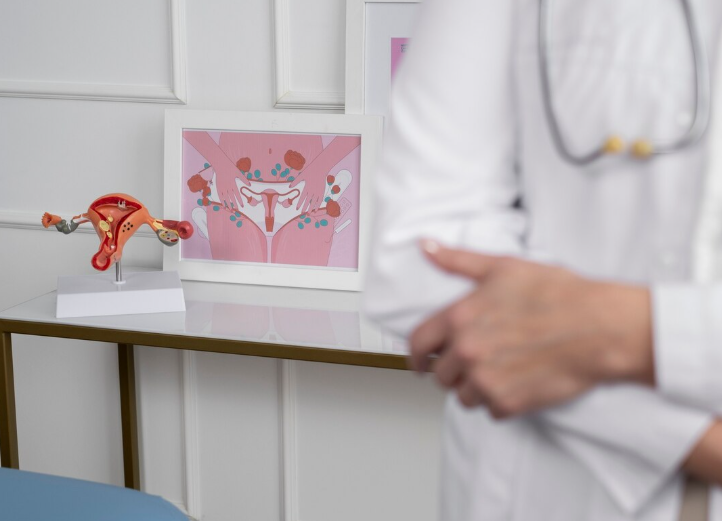
The Comprehensive Uterine Fibroid Removal Program in Korea is a highly advanced laparoscopic myomectomy procedure designed to safely and effectively remove fibroids while preserving the uterus and fertility. Korea is recognized globally for its expertise in minimally invasive gynecologic surgery, combining advanced surgical technology with personalized patient care to deliver superior outcomes.
Uterine fibroids — benign tumors arising in the muscular wall of the uterus — are a common condition among women of reproductive age. They may cause heavy menstrual bleeding, pelvic pain, pressure symptoms, or infertility. The Comprehensive Uterine Fibroid Removal Program in Korea provides a targeted, patient-specific solution to these problems, using laparoscopic surgery to minimize scarring, reduce recovery time, and preserve uterine health.
Leading Korean hospitals such as Samsung Medical Center, Asan Medical Center, Severance Hospital, and CHA Bundang Women’s Hospital offer this procedure, supported by multidisciplinary teams of gynecologic surgeons, radiologists, and fertility specialists. This ensures precision and safety throughout the surgical process.
Purpose & Benefits
The main goal of the Comprehensive Uterine Fibroid Removal Program is to completely remove fibroids while maintaining uterine integrity, minimizing complications, and improving quality of life. This approach is particularly beneficial for women who wish to preserve fertility.
Key benefits include:
- Minimally Invasive Surgery: Small incisions reduce pain, scarring, and recovery time compared to open surgery.
- Precision Fibroid Removal: High-definition laparoscopic imaging allows for thorough excision of fibroids while conserving healthy uterine tissue.
- Fertility Preservation: Maintains the uterus for women who plan future pregnancies.
- Reduced Blood Loss: Advanced surgical instruments and techniques help minimize intraoperative bleeding.
- Short Recovery Period: Most patients return to normal activities within 1–2 weeks.
- Shorter Hospital Stay: Many procedures require only a brief hospital stay or are outpatient.
These advantages make Korea a leading destination for women seeking comprehensive fibroid removal with minimal disruption to their lives.
Ideal Candidates
Comprehensive Uterine Fibroid Removal via laparoscopic myomectomy is suitable for women with symptomatic fibroids or reproductive concerns. Ideal candidates include:
- Women experiencing heavy menstrual bleeding, pelvic pain, or pressure symptoms caused by fibroids.
- Patients facing infertility related to fibroid presence.
- Women desiring uterine preservation for future pregnancy.
- Individuals with fibroids that are suitable for laparoscopic removal based on size and location.
- Patients seeking a minimally invasive surgical approach over traditional open surgery.
Korean hospitals offer thorough preoperative evaluation using imaging tools such as ultrasound and MRI to ensure optimal surgical planning.
Possible Risks & Complications
While laparoscopic myomectomy is a safe procedure, there are risks to consider:
- Bleeding: Rare but possible; blood transfusion may be needed in exceptional cases.
- Infection: Low risk, minimized by sterile surgical technique.
- Adhesion Formation: Scar tissue may form postoperatively, potentially affecting fertility.
- Injury to Surrounding Organs: Rare, but possible; prevented with meticulous surgical technique.
- Fibroid Recurrence: Fibroids can recur, requiring further treatment.
Korean surgeons mitigate risks through advanced technology, surgical expertise, and detailed postoperative follow-up.
Techniques Used
The Comprehensive Uterine Fibroid Removal Program in Korea employs advanced laparoscopic surgical methods:
- High-Definition Laparoscopy: Offers enhanced visualization for precise fibroid excision.
- Robotic-Assisted Laparoscopy: Improves dexterity and access for fibroids in difficult locations.
- Ultrasonic & Electrosurgical Tools: Minimize bleeding and protect healthy tissue.
- Morcellation: Allows safe removal of larger fibroids through small incisions.
- Enhanced Suturing Techniques: Preserve uterine structure for fertility.
- Preoperative Imaging: MRI or ultrasound mapping guides the surgical approach.
This combination of advanced tools and surgical techniques ensures effective fibroid removal with minimal complications.
Recovery & Aftercare
Recovery after laparoscopic myomectomy in Korea is faster and less painful than traditional surgery. Most patients return to normal daily activities within one to two weeks.
Aftercare includes:
- Postoperative check-ups to monitor healing and uterine function.
- Pain management with minimal use of strong analgesics.
- Guidance on avoiding strenuous activity for several weeks.
- Fertility counseling for those planning pregnancy.
- Periodic imaging to monitor for fibroid recurrence.
Korean hospitals provide comprehensive aftercare, ensuring both physical and emotional support during recovery.
Results & Longevity
Comprehensive laparoscopic myomectomy offers excellent long-term outcomes in symptom relief and fertility preservation. Patients often experience significant improvement in menstrual flow, reduced pelvic pain, and enhanced quality of life.
Recurrence rates depend on individual factors but are generally lower with thorough fibroid removal performed laparoscopically. Korean studies confirm that laparoscopic myomectomy provides durable relief and supports successful conception in women wishing to become pregnant. Regular follow-up is recommended to maintain uterine health and detect any recurrence early.
Treatment Process in Korea
- Initial Consultation: Comprehensive evaluation of symptoms, reproductive goals, and imaging results.
- Preoperative Preparation: Routine blood work, imaging, and anesthesia assessment.
- Surgical Procedure: Performed under general anesthesia with high-definition laparoscopic or robotic assistance.
- Postoperative Monitoring: Short hospital stay with careful observation.
- Follow-Up Care: Check-ups and imaging to ensure healing and uterine integrity.
Korean hospitals prioritize patient comfort, efficiency, and optimal outcomes throughout this process.
Cost Range
Costs for comprehensive laparoscopic fibroid removal in Korea vary depending on complexity and hospital reputation:
- Standard Laparoscopic Myomectomy: ₩4,000,000 – ₩7,000,000 KRW ($3,000 – $5,200 USD)
- Robotic-Assisted Laparoscopic Myomectomy: ₩7,000,000 – ₩12,000,000 KRW ($5,200 – $9,000 USD)
- Complete Fibroid Removal Package (including imaging, surgery, and follow-up): ₩8,000,000 – ₩13,000,000 KRW ($6,000 – $9,800 USD)
These prices are highly competitive given Korea’s world-class surgical expertise and facilities.
Popular Clinics for Comprehensive Uterine Fibroid Removal in Korea
- Samsung Medical Center – Leaders in robotic-assisted laparoscopic myomectomy and minimally invasive gynecology.
- Asan Medical Center – Known for high-precision fibroid removal and fertility preservation.
- Severance Hospital – Offers advanced laparoscopic myomectomy with patient-centered care.
- CHA Bundang Women’s Hospital – Specializes in comprehensive fibroid treatment using minimally invasive techniques.
- Ewha Womans University Mokdong Hospital – Combines advanced laparoscopic surgery with holistic women’s health care.


