
Treatment Overview
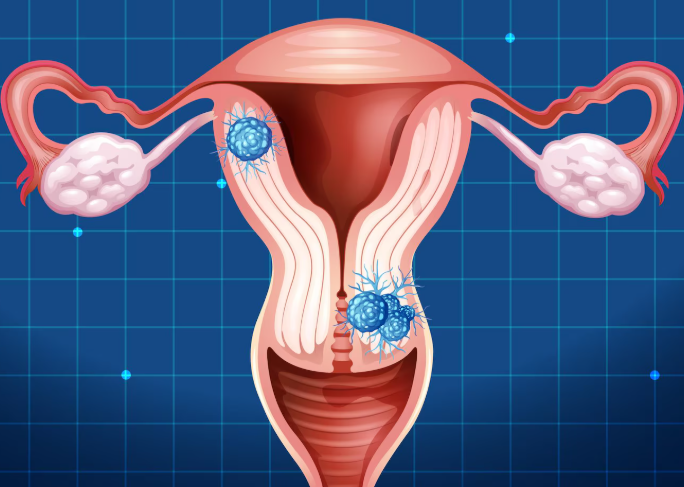
The Vaginal Uterus Removal with Advanced Suturing Technique (VURAST) in Korea is a cutting-edge minimally invasive hysterectomy procedure. It removes the uterus entirely through the vaginal canal, eliminating the need for abdominal incisions. The addition of advanced suturing methods ensures enhanced wound closure, reduced bleeding, and faster recovery.
Korean hospitals are at the forefront of this procedure, integrating state-of-the-art suturing technology, high-definition imaging, and precision surgical techniques. This approach makes Korea one of the most sought-after destinations for vaginal uterus removal with superior cosmetic and functional outcomes.
Purpose & Benefits
Purpose:
- Perform uterus removal without abdominal incisions
- Use advanced suturing to improve surgical outcomes and recovery
- Maintain pelvic floor integrity and support
Benefits:
- No visible scars due to vaginal access
- Reduced postoperative pain compared to abdominal hysterectomy
- Shorter hospital stays and faster recovery
- Enhanced wound healing through advanced suturing
- Lower risk of adhesion formation
- Preservation of pelvic anatomy and function
- Faster return to daily activities
Ideal Candidates
This procedure is suitable for women who:
- Require uterus removal for benign or certain malignant conditions
- Prefer a scar-free approach without abdominal incisions
- Are good candidates for vaginal surgery
- Value faster recovery and enhanced cosmetic results
Before surgery, Korean hospitals perform thorough diagnostic evaluations, including ultrasound, MRI, and pelvic examination, to confirm suitability.
Possible Risks & Complications
While VURAST is safe and minimally invasive, potential risks include:
- Minor bleeding or infection
- Injury to nearby pelvic organs (rare)
- Temporary urinary or bowel discomfort
- Scar tissue formation (rare)
- Suturing-related complications (rare)
Korean surgical teams minimize risks with advanced imaging, precise suturing techniques, and skilled pelvic anatomy handling.
Surgical Techniques Used
Korea’s advanced approach to vaginal uterus removal with suturing includes:
- Vaginal Access Surgery: Entire uterus removal without abdominal incisions.
- High-Definition Imaging: Enhances surgical precision.
- Advanced Suturing Techniques: Uses barbed sutures, absorbable materials, and laparoscopic-assisted suturing for better closure and healing.
- Energy-Based Dissection Tools: Reduce bleeding and operative time.
- Pelvic Floor Preservation Methods: Maintain structural support and function.
These techniques ensure optimal safety, rapid recovery, and improved long-term pelvic health.
Recovery & Aftercare
Recovery for VURAST is generally shorter than traditional hysterectomy methods. Most patients are discharged within 1–2 days and can resume normal activities in 2–4 weeks.
Postoperative care includes:
- Pain control and wound monitoring
- Avoiding heavy lifting or strenuous activity for several weeks
- Follow-up examinations to ensure healing
- Pelvic floor physiotherapy if recommended
- Nutritional and lifestyle counseling
Korean hospitals provide holistic aftercare plans tailored to each patient’s recovery needs.
Results & Longevity
VURAST offers excellent long-term outcomes:
- Complete removal of the uterus without abdominal incisions
- Minimal postoperative pain and no visible scars
- Faster recovery and improved quality of life
- Enhanced pelvic floor integrity
- Reduced risk of adhesions and complications
- High patient satisfaction
Korea’s expertise ensures consistent, successful outcomes with advanced suturing techniques for vaginal hysterectomy.
Treatment Process in Korea
Korea’s VURAST process includes:
- Comprehensive Consultation & Diagnostics: Including ultrasound, MRI, and pelvic examination.
- Customized Surgical Planning: Based on patient anatomy, uterine condition, and personal goals.
- Vaginal Uterus Removal with Advanced Suturing: Performed by expert surgeons with high-definition imaging guidance.
- Postoperative Recovery & Rehabilitation: Includes physiotherapy, nutrition, and follow-up care.
International patients receive concierge-level support, including translation services, accommodation assistance, and transportation.
Cost Range
The Vaginal Uterus Removal with Advanced Suturing Technique in Korea generally ranges between USD 8,500 and 16,000, depending on:
- Complexity of the surgery
- Hospital and surgeon expertise
- Use of advanced suturing and imaging technology
- Length of hospital stay and aftercare program
Costs typically include preoperative evaluation, surgery, anesthesia, hospitalization, and follow-up care.
Popular Clinics
- Samsung Medical Center (Seoul): Known for minimally invasive vaginal hysterectomy with advanced suturing technology.
- Asan Medical Center (Seoul): Offers expert vaginal uterus removal with precise suturing techniques.
- Severance Hospital (Yonsei University, Seoul): Leader in minimally invasive vaginal gynecologic surgery.
- CHA Gangnam Medical Center: Specializes in advanced suturing and pelvic floor preservation during hysterectomy.
- Ewha Womans University Medical Center: Known for patient-centered vaginal uterus removal and holistic recovery programs.


